
Plants
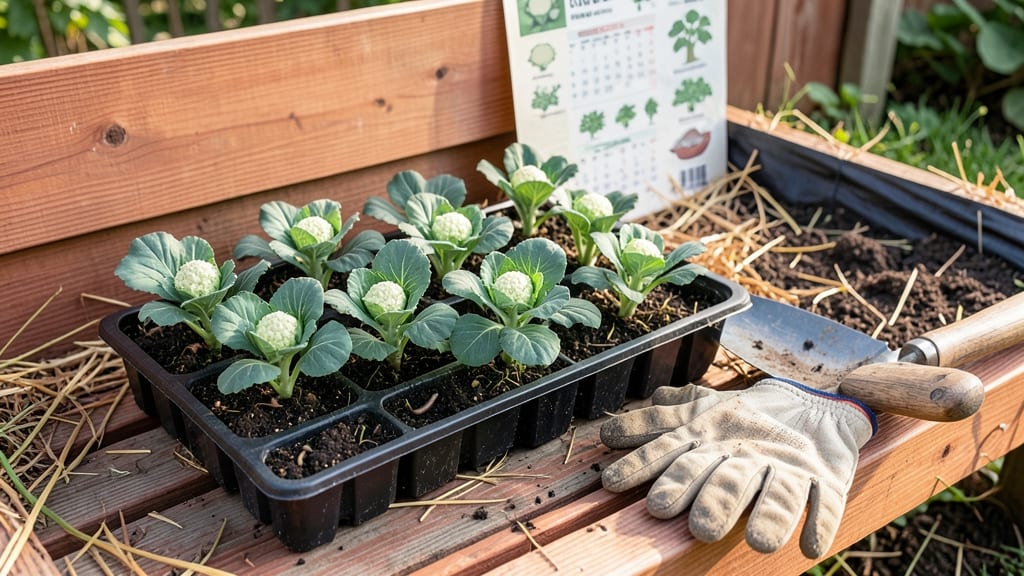
Most gardeners in zones 7a-8b swear by two key planting windows: early spring (February–March) and late summer (August–September). These aren’t random dates—they’re calculated to give your 🥬 cauliflower the 60–100 days it needs to mature before the first frost hits in November.
But here’s the catch: Coastal NC has a longer growing season than the Mountains, so your exact timing matters more than you think.
What if you’ve tried planting before and ended up with sad, stunted plants? The secret isn’t just the date—it’s preparing your soil and choosing the right varieties for your microclimate.
I’ll show you exactly how to pick the perfect transplanting window for your county, whether you’re in the Piedmont’s warmer pockets or the Mountains’ cooler valleys. No more guesswork, just zero-bolt, zero-stress harvests.
Ready to stop playing roulette with your garden? Let’s break down the county-specific planting dates, soil tricks, and heat-beating strategies that’ll have you pulling perfect heads from May to November. Your future 🥬 cauliflower casserole is waiting.
NC county-specific cauliflower planting dates to avoid bolting
North Carolina's diverse climate—from the humid Coastal Plain to the cool mountain valleys—means cauliflower planting dates vary dramatically. Get it wrong, and you'll face bolting (premature flowering) or stunted growth. But with the right timing, you can grow tight, flavorful heads in every region.
Cauliflower thrives in cool weather (50-75°F), but temperatures above 80°F trigger bolting. That's why spring and fall crops work best. Let's break down the ideal windows for NC's three main regions to keep your plants happy and productive.
Pro Tip: Always use row covers for early/late transplants to shield from unpredictable NC frosts. A 50°F night can stress young plants, while 90°F days will send them bolting faster than a rabbit in a garden.
| Region | Spring Planting Window | Fall Planting Window | Heat Tolerance Threshold | Frost Protection Needed |
|---|---|---|---|---|
| Coastal (e.g., Wilmington, Morehead City) | Feb 15 - Mar 15 | Aug 1 - Sep 15 | 78°F max | Lightweight row cover (30°F+) |
| Piedmont (e.g., Raleigh, Greensboro) | Mar 1 - Apr 10 | Aug 15 - Sep 30 | 80°F max | Row cover for early spring (28°F+) |
| Mountains (e.g., Asheville, Boone) | Apr 1 - May 1 | Sep 1 - Oct 1 | 82°F max | Heavy mulch (32°F+) |
For Coastal NC, start transplants in mid-February to beat the heat. The humidity here can cause rot, so raise beds and avoid overhead watering. Purple cauliflower varieties like 'Graffiti' handle heat slightly better than white types.
In the Piedmont, wait until early March for spring planting—earlier starts risk frost damage. For fall, late August gives heads time to mature before first frost (usually mid-November). Use shade cloth (30%) in summer to keep temps below 80°F.
The Mountains have the latest windows due to cooler temps. Plant in April for spring and early September for fall. Here, black plastic mulch raises soil temps 5-10°F, extending the season. Try self-blanching varieties like 'Snowball Y Improved' for easier growing.
No matter your region, soil prep is critical. Cauliflower loves rich, slightly acidic soil (pH 6.0-6.8). Mix in compost and a balanced fertilizer (10-10-10) at planting. Side-dress with nitrogen every 3-4 weeks for leafy growth.
Watch for cabbage worms and aphids—common in NC's humid summers. Neem oil or row covers work better than chemicals. And always harvest before heads split; once they yellow, the flavor turns bitter.
With these region-specific dates, you'll avoid bolting and grow perfect cauliflower heads all season. Happy gardening!
How to extend your NC cauliflower growing season naturally
North Carolina's unpredictable spring and fall temperatures can turn your cauliflower dreams into bolting disasters—but not if you use these natural season-extension tricks.
I've grown perfect heads year-round by combining row covers, shade cloth, and smart companion planting to protect my plants from NC's heat spikes and early frosts. The key? Timing everything precisely to match your microclimate.
Start with succession planting every 2-3 weeks from February through September. This staggered approach ensures a continuous harvest window while giving each batch optimal growing conditions. My Piedmont garden yields heads from May through November using this method, even with our 90°F+ summer days.
For fall crops, begin indoor starts in July and transplant 8-10 weeks later (mid-September). This gives plants enough time to mature before first frost while avoiding summer's worst heat. My Mountain region gardeners swear by black plastic mulch to warm soil for earlier fall plantings.
Don't overlook soil prep—amend beds with compost and aged manure before planting to ensure rich, moisture-retentive soil. I test my soil in January and add lime if needed (cauliflower prefers pH 6.5-7.0) to prevent nutrient deficiencies that weaken plants and make them bolting-prone.
With these techniques, I've extended my growing season by 6+ months while keeping my cauliflower bolting-free. The secret? Adapt each method to your specific NC county's microclimate—what works in Raleigh may need adjustments for Asheville or Wilmington. 🌱