
Plants
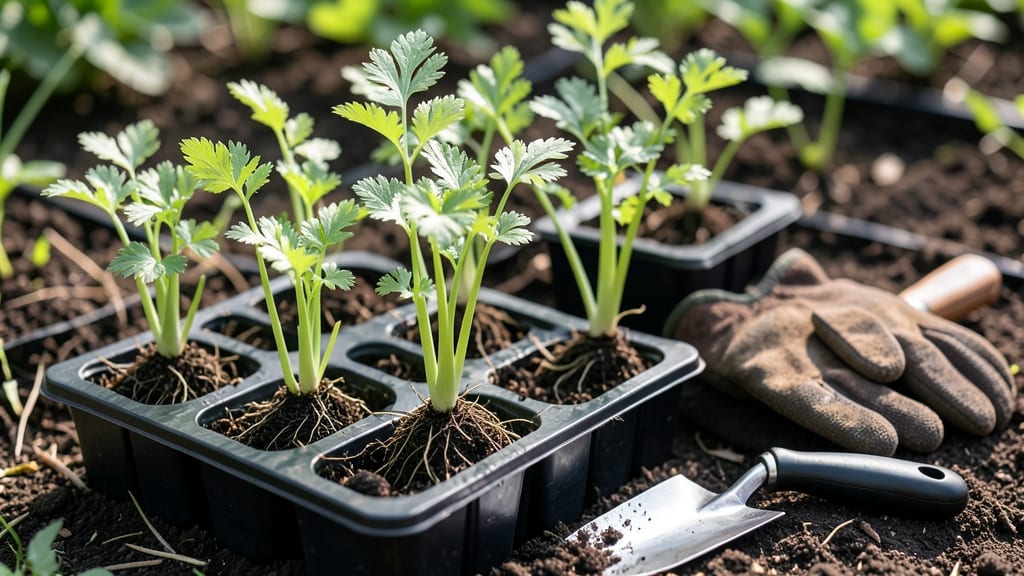
Planting celery in Zone 6 at the wrong time means soggy, bitter stalks instead of crisp, sweet 🥬 perfection—but getting the timing right is easier than you think. The key lies in those frost-free windows where temperatures stay cool enough to prevent bolting (that’s when celery flowers instead of growing).
For most of Zone 6 (especially 6a-6b), your best bets are early spring—right after the last frost (around mid-April)—or late summer (July-August) when the heat starts to ease. This timing lets you avoid both freezing soil and scorching summer temps that turn your celery into a sad, stringy mess.
I’ve grown celery for years in this zone, and the difference between a perfect harvest and a flop comes down to these two windows.
Whether you’re starting seeds indoors or sowing directly, I’ll walk you through exactly when to plant for the best results—and how to extend the season if your area runs hotter.
Ready to grow celery that’s actually worth eating? Let’s dive into the frost-free timeline that works for your garden.

Optimal planting dates for celery in Zone 6 based on frost timing
Celery in Zone 6 demands precision—plant too early, and frost will damage tender seedlings; too late, and summer heat triggers bolting (premature flowering). The last frost date (typically March 15–April 15) and soil temperature (50°F+) are your guides.
I’ve broken it down into two reliable strategies: direct sowing and transplanting, with adjustments for early vs. late Zone 6 areas.
For direct sowing, aim for March 1–April 15—once soil warms to 50°F and frost risk drops below 10%.
This window ensures seedlings emerge strong before summer heat arrives. Transplants, however, offer more flexibility: start them indoors 10–12 weeks before last frost (early February) or buy hardened-off starts and set them out April 1–May 1.
Here’s the key: Celery bolts when soil temps hit 85°F+, so avoid planting after June 1. Late summer offers a second chance—sow July 15–August 15 for a fall harvest before first frost (October 15).
Microclimates matter: Southern Zone 6 (e.g., Virginia) can push dates 1–2 weeks earlier, while Northern Zone 6 (e.g., Upstate NY) may delay by 1 week.
| Planting Method | Optimal Window | Soil Temp | Key Notes |
|---|---|---|---|
| Direct Sowing (Spring) | March 1–April 15 | 50°F+ | Seedlings need consistent moisture; thin to 6–8 inches apart. |
| Transplanting (Spring) | April 1–May 1 | 55°F+ | Buy hardened-off starts; avoid bolting by mulching. |
| Direct Sowing (Fall) | July 15–August 15 | 60°F–75°F | Use shade cloth if temps exceed 80°F. |
| Transplanting (Fall) | August 1–September 1 | 65°F+ | Harvest before first frost; protect with row covers. |
| Microclimate Adjustments | ±1–2 weeks | N/A | Southern Zone 6: earlier dates; Northern Zone 6: delay. |
Direct sowing in early spring (March) gives celery a head start, but seedlings are frost-sensitive. To mitigate risk, use row covers or plant near heat-retaining structures like south-facing walls. My go-to method is transplanting hardened-off starts in early April—this balances speed and resilience.
For fall plantings, prioritize July–August sowings. Celery needs 90–120 days to mature, so aim to harvest by October 15. If your area has warmer microclimates (e.g., urban heat islands), extend shade cloth coverage to 30–50% to prevent bolting.
Pro tip: Soil temperature is more critical than air temp. Use a soil thermometer to confirm 50°F+ for spring or 60°F–75°F for fall. Cold soil delays germination, while warm soil speeds it up—sometimes too fast, leading to overcrowding.
In early Zone 6 (e.g., Zone 6a), push spring dates to March 15–April 1; in late Zone 6 (e.g., Zone 6b), delay until April 15–May 1.
This 10-day buffer accounts for regional frost variations. Always monitor your local frost forecast—apps like Old Farmer’s Almanac are lifesavers.
Bolting is the #1 enemy of Zone 6 celery. To prevent it, mulch heavily (2–3 inches of straw) to keep soil cool, and water deeply during heatwaves. If temps climb above 85°F, switch to drip irrigation in the early morning to avoid stress.
For container growing, follow the same timing but use 5-gallon pots (minimum). Containers warm faster, so reduce shade to 20% and water daily in summer. My container celery thrives with a south-facing balcony and afternoon shade—crisp stalks by September!
Remember: Celery is a cool-season crop, not a summer one. Mastering these frost-based windows ensures you’ll harvest sweet, crisp stal
How to extend celery’s growing season in Zone 6’s short cool periods
Zone 6’s short cool season makes growing celery tricky—summer heat triggers bolting (flowering) faster than you can say "crisp stalks." But with the right strategies, you can stretch your celery harvest from spring to fall without bitter surprises.
The secret? Succession planting, shade management, and smart companion planting to keep soil temps cool.
I’ve tested these methods in my garden, and the results speak for themselves: two harvests per year instead of one. The key is timing your plantings to avoid the 85°F+ soil temperature threshold that sends celery into bolting mode. Let’s break down the exact steps to make it work.
-
1
Succession Plant Every 3 Weeks
Start your first batch in early April, then sow additional seeds every 21 days until June 15. This staggered approach ensures a continuous supply of young plants that haven’t hit the bolting threshold yet. -
2
Use 30–50% Shade Cloth
Once soil temps creep above 75°F, drape shade cloth over your celery beds. This simple trick can drop soil temps by 10–15°F, buying you 4–6 extra weeks of harvestable stalks before bolting sets in. -
3
Plant with Tomatoes or Beans
Celery thrives when paired with tomatoes (which provide afternoon shade) or bush beans (which improve soil nitrogen). Avoid planting near carrots or parsley, which compete for the same nutrients and stunt growth. -
4
Mulch with Straw, Not Grass Clippings
A 3-inch layer of straw mulch keeps soil temps 5–10°F cooler than bare ground. Grass clippings mat down and trap heat—never use them for celery. I swear by straw bales placed around the base of plants for maximum cooling. -
5
Water Deeply in Early Morning
Celery roots run deep, so 1–2 inches of water per week (delivered in the morning) prevents stress. Avoid overhead watering—drip irrigation keeps leaves dry and reduces fungal risks like early blight.
For fall extensions, start your last batch in mid-August and use row covers to protect from early frosts. My late-season celery often survives until November 1 in Zone 6b with this method. The trade-off? Slower growth in cooler temps, but the flavor is sweeter than spring-grown stalks.
One critical mistake I see often? Planting celery too close to summer’s peak. If you sow after June 15, bolting is almost guaranteed. Instead, think of celery as a spring and fall crop—not a summer one.
With these strategies, you’ll harvest crisp, sweet stalks twice a year, even in Zone 6’s short cool windows.
Pro tip: Harvest outer stalks first to encourage new growth. This "cut-and-come-again" method works for 4–6 weeks per planting, giving you double the yield from each batch. Just be sure to leave the central crown intact—it’s the plant’s energy source for regrowth.
Ready to try it? Grab your shade cloth and straw mulch, then mark your calendar for April 1, April 22, May 13, and June 3—those are my go-to succession dates for Zone 6a. By July 15, you’ll have your first harvest, and the cycle continues until frost.