
Plants
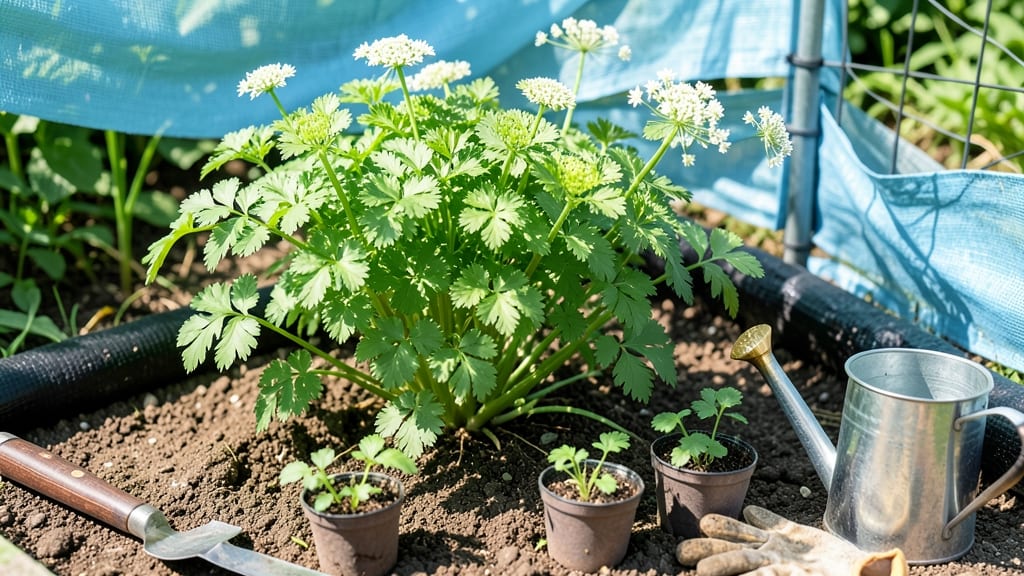
Timing your cilantro planting just right in Arizona is the secret to avoiding bitter, bolted leaves that ruin your salsa. The key lies in understanding when soil temperatures hit that perfect 55-75°F range—too hot, and your cilantro turns into a sad, flowering mess.
Most Arizona gardeners swear by fall plantings between September and November, when the desert heat starts to ease. This cool-season herb thrives in USDA Zone 9b during these months, giving you fresh 🌿 leaves just in time for holiday cooking.
But don’t count out spring—February through March can also work if you’re strategic.
The biggest mistake? Planting too early or too late. Summer heat will send your cilantro bolting within weeks, while winter frosts (though rare) can stunt growth. I’ll show you exactly how to read your local microclimate—whether you’re in Phoenix, Tucson, or Flagstaff—to lock in the best harvest windows.
Ready to grow cilantro that stays fresh and flavorful? Let’s dive into the soil temp tricks and planting schedules that actually work in Arizona’s extreme climate.
Arizona cilantro planting calendar: best months by microclimate
Arizona’s climate varies dramatically between its high desert regions and urban heat islands, making cilantro planting timing a game-changer for flavor and yield.
Unlike cooler climates, Arizona cilantro thrives in fall and winter months when temperatures dip below 80°F—any hotter, and you’ll battle bolting faster than you can say "taco night." The key? Plant when soil temps hover between 55-75°F, a sweet spot for germination and growth.
Your microclimate matters—Phoenix’s urban sprawl can be 10°F hotter than nearby high desert areas like Flagstaff, so adjust your schedule accordingly. Urban heat islands demand earlier plantings, while cooler high desert zones offer extended growing windows.
Below, I’ve broken down the best planting windows for Arizona’s three key regions, plus pro tips to beat the heat.
⚠️ CRITICAL NOTE: Cilantro bolts (goes to seed) when stressed by heat or dryness. In Arizona, this happens within 2-3 weeks if planted in summer. The solution? Fall and spring are your only friends here.
| Region | Best Planting Windows | Soil Temp Threshold (°F) | Adjustments for Heat Islands | Harvest Window |
|---|---|---|---|---|
| Phoenix (Zone 10a) | Late August-September (fall) or February-March (spring) | 55-65°F (ideal germination) | Plant 2 weeks earlier in urban areas; use shade cloth 30% if temps exceed 78°F | October-December (fall) or March-April (spring) |
| Tucson (Zone 9a) | September-October (fall) or January-February (spring) | 60-70°F (cooler nights help) | High desert areas: extend planting to early November; urban Tucson: add mulch to retain moisture | November-January (fall) or February-April (spring) |
| Flagstaff (Zone 7a) | April-May (spring) or August-September (fall) | 50-65°F (cooler climate allows earlier starts) | Plant under row covers in late summer to protect from sudden heat spikes; no adjustments needed in spring | June-July (spring) or October-November (fall) |
For Phoenix gardeners, the fall planting window is your best bet—start seeds indoors in late August and transplant outdoors by mid-September when daytime highs dip below 90°F. Use drip irrigation to keep soil consistently moist, as Arizona’s dry air accelerates bolting.
If you’re itching to grow cilantro in spring, aim for February plantings; by March, temps will rise too quickly for success.
In Tucson, the high desert climate gives you a longer fall window—you can push plantings into early November if you use row covers to protect against unexpected cold snaps.
Spring plantings here should start by January to avoid the April heat surge. Pro tip: Mulch heavily with straw to lock in moisture and keep roots cool.
Flagstaff’s cooler climate is a cilantro lover’s paradise, with two successful planting seasons: spring and fall. Start seeds indoors in March for a June harvest, or sow directly in August for a fall crop. The key here is protecting young plants from sudden heat waves—even in Flagstaff, July can spike to 95°F.
Regardless of your Arizona microclimate, soil temperature is your best friend. Use a soil thermometer to confirm temps are in the 55-75°F range before planting. If your soil runs hotter, wait 2-4 weeks or use shade cloth to cool it down.
Remember: cilantro is a cool-season crop, and Arizona’s heat will turn it bitter faster than you can say "salsa verde."
For urban heat island adjustments, add 2-3 weeks to your planting timeline if you’re in concrete-heavy areas like downtown Phoenix or Tucson. These zones can be 10-15°F hotter than surrounding areas, so shade cloth and mulch are non-negotiable. If you’re in doubt,
How to prevent cilantro bolting in Arizona’s heat: 3 critical soil temp hacks
Arizona’s 100°F+ soil temperatures trigger cilantro to bolt faster than you can say "salsa verde." But by controlling soil warmth, you can stretch your harvest window by 4-6 weeks. The key? Keeping soil temps between 55-75°F—here’s how to hack it.
First, use shade cloth (30-50%) during peak heat (11 AM-3 PM). This drops soil temps by 10-15°F while still allowing light for growth. For container gardens, move pots under dappled shade from trees or build a simple frame with shade fabric.
⚠️ pros-cons-box ⚠️
Organic Mulch vs. Synthetic Mulch for Cilantro
| Factor | Organic Mulch (Straw/Leaves) | Synthetic Mulch (Black Plastic) |
|---|---|---|
| Soil Temp Reduction | 8-12°F cooler | 15-20°F cooler |
| Moisture Retention | High (breaks down) | Very High (no decay) |
| Bolting Prevention | Moderate (4-5 weeks) | Strong (6+ weeks) |
| Cost | $5-$10/bag | $15-$25/roll |
| Best For | Long-term beds | Containers/urgent cooling |
For desert soil, mulch heavily (3-4 inches) with straw or wood chips. This insulates roots while adding organic matter. In Phoenix/Tucson, I’ve seen cilantro last 30% longer with mulch vs. bare soil. Water deeply at dawn to cool soil further—never at night.
Plant cilantro near shade-tolerant companions like lettuce or spinach, which create natural shade. Avoid tomatoes or peppers—they compete for water and raise soil temps. Succession plant every 2 weeks in fall/spring for continuous harvests.
Test soil temps with a thermometer (bury 2 inches deep). If it hits 80°F+, pull up plants and replant in cooler months. With these hacks, you’ll delay bolting by up to 2 months—no bitter surprises at your salsa bar! 🌱