
Plants
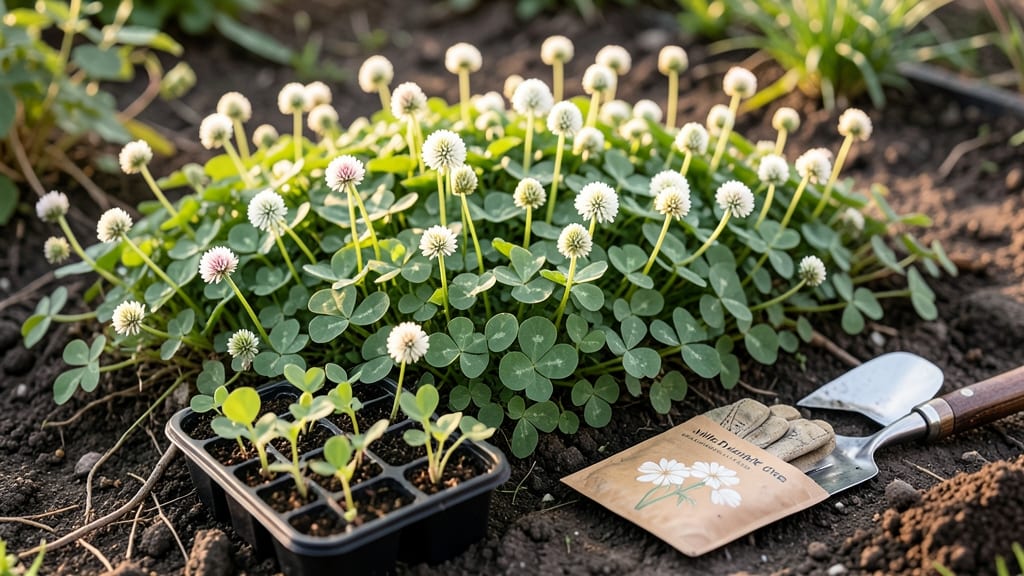
Timing your clover planting in Illinois can make or break your garden's success—get the frost dates wrong, and your hard work could vanish before it even takes root.
The USDA zones 5-6 in Illinois mean you’ve got just a narrow window to plant 🌱 clover before the last frost hits in mid-April or after the first one arrives in October.
Most gardeners swear by early spring planting in March or April, but fall is also a smart move if you want to establish roots before winter sets in.
The key is knowing when your local soil warms up to at least 50°F—too early, and your seeds won’t germinate; too late, and you miss the growing season entirely.
Whether you’re in Chicago’s cooler north or St. Louis’ milder south, the rules change slightly. I’ll break down the best planting months for your specific region, so you can avoid common mistakes and get that lush clover patch you’re dreaming of.
Ready to turn your Illinois yard into a thriving clover haven? Let’s dive into the exact timing and tips you need to succeed—no guesswork required.
Illinois county zones: best planting months for clover by hardiness
Illinois spans USDA zones 5a through 6b, which means your clover planting window can shift by weeks between northern counties like Cook (Chicago) and southern ones like St. Clair (near St. Louis).
The key is planting 2-4 weeks before your last frost date—too early, and cold soil will stall germination; too late, and you’ll miss the growing season.
Most Illinois gardeners plant clover in early spring (March-April) or early fall (September-October). Spring planting gives your clover a head start before summer heat, while fall planting lets roots establish before winter dormancy. I’ll break down the exact months for each zone so you can avoid common mistakes.
Northern Illinois (zones 5a-5b) has earlier frost dates, often April 15-May 1 for last frost, while southern Illinois (zones 6a-6b) can plant as late as May 10-15. Fall planting in the north should wrap up by September 15, but southern regions can extend until October 10.
Here’s your zone-by-zone planting guide for Illinois clover success:
For zone 5a gardeners in Chicago’s suburbs, aim to plant white Dutch clover by March 20 for a spring bloom. In zone 6b near Cairo, you’ve got flexibility until April 15—perfect for red clover varieties that thrive in warmer soils.
Fall planting works best when soil temps stay above 50°F for 6+ hours daily. In northern Illinois, this means September 1-15; in the south, you can extend to October 10. The goal is to give clover roots time to establish before winter dormancy.
Pro tip: Use a soil thermometer to confirm temps before planting. Clover seeds won’t germinate below 50°F, even if the calendar says spring. I’ve seen many gardeners rush planting in late February only to watch their seeds rot in cold, soggy soil.
Adjust your timing if you’re in a microclimate, like near Lake Michigan where winds delay frost. Check your local Cooperative Extension Service for county-specific frost data—it’s worth the 5-minute search to avoid failed plantings.
Once planted, maintain 1 inch of water weekly until establishment. Clover’s shallow roots need consistent moisture, especially in drought-prone summer months. Mulch lightly with straw to retain soil moisture
Signs your Illinois soil is ready for clover planting (and when to delay)
Planting clover in Illinois requires more than just picking a month from the calendar—your soil temperature and moisture levels are critical. Clover seeds need consistent warmth to germinate, and Illinois’ unpredictable spring weather can throw off even the best-laid plans.
I’ve learned the hard way that rushing too early often leads to seeds sitting dormant or rotting in cold, wet soil.
Before you grab your seed packet, check these three key indicators to ensure your 🌱 clover has the best chance of thriving. Getting these right can mean the difference between a lush green cover crop and a failed season.
Let’s break down what your soil needs to signal "go" for planting.
⚠️ Don’t Plant Until:
- Soil temp drops below 50°F at 2" depth (use a soil thermometer)
- Ground feels cold and soggy to the touch (not just damp)
- Frost is predicted within 7-10 days (check NOAA’s frost maps)
Pro Tip: Northern Illinois gardeners should wait until mid-April at the earliest, while southern regions can start as early as late March.
First, test your soil temperature at a depth of 2 inches—this is where clover seeds will germinate. Use a simple soil thermometer (they’re cheap and save you from guesswork). Clover seeds need soil that’s consistently 50°F or warmer for at least 5-7 days before planting.
In my experience, waiting until the soil hits 55°F gives seeds an even better chance of sprouting quickly.
Next, check the moisture level—clover seeds need consistent moisture but will rot if the soil stays waterlogged. Stick your finger 1-2 inches into the soil; it should feel damp but not muddy.
If water pools on the surface after rain, wait a few days for excess moisture to evaporate. I’ve seen clover seeds drown in heavy clay soils, so drainage matters just as much as warmth.
Finally, consult Illinois’ historical frost data for your specific region. The average last frost date in northern Illinois (like Chicago) is around April 15, while southern Illinois (near St. Louis) typically sees its last frost by April 1.
Planting too early risks a surprise frost killing your tender seedlings. Use the 50°F soil temp rule as your green light, but always cross-check with frost predictions.
If your soil is too cold or too wet, delay planting—clover won’t wait. I once planted red clover in early March in northern Illinois, only to watch it wither when a late frost hit.
Now, I wait until the soil hits 55°F and stays there, usually by late April. Patience pays off with a thicker, healthier clover patch by summer.
For fall planting, aim for September when soil temps start dropping but before the first frost. This gives clover roots time to establish before winter. Whether you’re planting in spring or fall, these signs will help you avoid the most common mistakes Illinois gardeners make.