
Plants
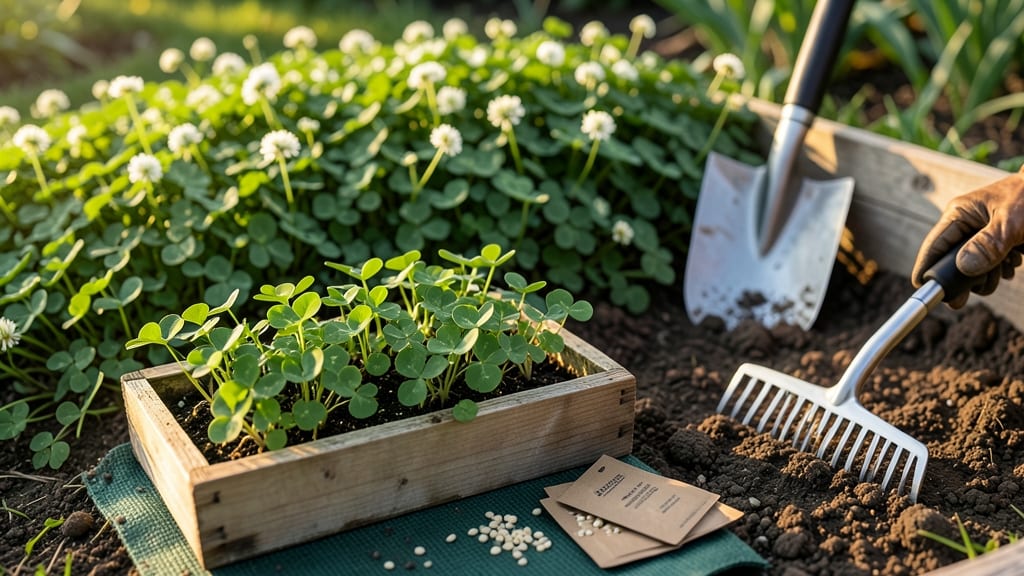
Planting clover in Louisiana at the wrong time can mean wasted seeds and missed opportunities for lush green cover or forage—especially when the heat and humidity play such a big role.
If you're aiming for fast establishment and want to avoid the pitfalls of summer heat or hurricane season disruptions, timing is everything. The best windows are actually September through November or February to March, when soil temperatures drop below 80°F and give young clover roots a fighting chance.
But here's the catch: Louisiana's microclimates mean what works in Zone 8a (northern regions) might fail in Zone 9b (southern parishes).
I'll break down exactly when to plant white, red, or crimson clover based on your location—and how to prep your soil to beat weeds and pests before they even show up.
Ready to grow clover that thrives? Let's dive into the ideal months, local challenges, and pro tips that'll have your yard or pasture covered in no time.
Best months to plant clover in Louisiana for maximum growth
Timing your clover planting in Louisiana can make the difference between a lush, weed-free ground cover and a failed patch. The state’s humid subtropical climate (USDA zones 8a-9b) offers two prime windows: early fall and late winter.
These periods align perfectly with Louisiana’s rainfall patterns and temperature shifts, giving clover the best chance to establish before summer heat or winter dormancy sets in.
For white clover, which thrives in cooler conditions, September through November is ideal. This timing lets seeds germinate in warm soil while avoiding the peak summer heat that can stress young plants.
Meanwhile, red and crimson clover, which handle slightly warmer soils, can be planted as late as early March—just before the last frost (mid-February on average).
Here’s the breakdown of optimal planting months by clover type, tailored to Louisiana’s regional microclimates:
| Clover Type | Best Planting Window | Why This Timing? | Soil Temp Goal | Louisiana Region Fit |
|---|---|---|---|---|
| White Clover | September–November | Cooler soil temps (70–80°F) reduce weed competition and fungal risks. | 65–75°F | North LA (cooler) or elevated areas |
| Red Clover | February–March | Warmer soil (55–65°F) triggers faster germination before summer heat. | 55–65°F | South LA (warmer) or lowlands |
| Crimson Clover | Late August–September | Early fall avoids hurricane season flooding while soil stays warm. | 70–80°F | Coastal areas (high humidity) |
| All Types | Avoid June–July | Summer heat (>90°F) causes seed dormancy and poor germination. | N/A | Statewide |
Planting in early fall (September–October) gives clover a head start before winter. The cool, moist conditions help seeds germinate quickly, while shorter daylight hours reduce weed competition.
In contrast, late winter planting (February–March) capitalizes on warmer soil and increased rainfall, which are critical for Louisiana’s clay-heavy soils that can dry out in spring.
If you’re in North Louisiana (e.g., Shreveport, Monroe), aim for September planting to avoid early frosts.
For South Louisiana (New Orleans, Lafayette), March planting works better, as the ground warms faster. Crimson clover, a favorite for livestock forage, is best sown in late August to escape hurricane season’s heavy rains and flooding risks.
Pro tip: Test your soil’s moisture level before planting. Louisiana’s high humidity can make soil appear damp when it’s actually waterlogged. Aim for 60–70% moisture at planting depth (1–2 inches). Use a soil moisture meter or the squeeze test—if soil crumbles when pressed, it’s ready.
For fastest establishment, pair planting with a light mulch (straw or pine needles) to retain moisture. This is especially critical in South Louisiana’s sandy soils, which dry out quickly. Mulch also suppresses weeds, a major issue in Louisiana’s warm, wet climate.
Remember: Clover seeds are tiny—cover them with just 1/8 inch of soil. Over-burying reduces germination. After planting, keep the area consistently moist (not soggy) for 3–4 weeks until seedlings appear. In Louisiana’s high humidity, fungal diseases like clover rot can be a risk, so avoid overhead watering.
By planting in these optimal windows, you’ll outpace weeds, pests, and Louisiana’s unpredictable weather—giving your clover the best shot at thriving year-round. 🌱
Louisiana-specific challenges: soil, rainfall, and heat zones
Louisiana’s humid subtropical climate creates unique challenges for establishing clover. The state’s heavy clay soils, frequent afternoon thunderstorms, and intense summer heat can turn a promising planting into a struggle if you’re not prepared.
In North Louisiana (Zones 7b-8a), cooler temperatures and shorter growing seasons demand earlier planting, while South Louisiana (Zones 8b-9b) faces more extreme heat and humidity that can stress young clover plants.
One of the biggest hurdles is Louisiana’s clay-heavy soil, which compacts easily and drains poorly. Without proper amendments, clover seeds may rot before germinating or struggle to establish roots.
Meanwhile, the state’s high rainfall averages (50-60 inches annually) can lead to waterlogged conditions, especially in low-lying areas, while summer droughts can occur unexpectedly. These factors mean timing and soil prep are critical to success.
⚠️ callout warning ⚠️
⚠️ Critical Warning: Avoid Planting in Summer Heat
Planting clover during Louisiana’s peak summer months (June-August) risks seed death from heat stress. Soil temperatures above 85°F can prevent germination, while high humidity promotes fungal diseases like clover rot. Even in South Louisiana’s warmer zones (8b-9b), wait until late August or September when soil temps drop below 80°F. In North Louisiana (7b-8a), aim for early September to capitalize on cooler fall weather.
For North Louisiana gardeners, the key is planting early fall (September-October) to allow clover to establish before winter. The region’s cooler nights and shorter days create ideal conditions for germination, while reduced weed competition improves success rates.
In contrast, South Louisiana’s warmer microclimate allows for a slightly extended window—planting in late August through October works well, but avoid planting after mid-November to prevent winter kill from occasional freezing temps.
The rainfall pattern also plays a crucial role. Louisiana’s afternoon thunderstorms can create temporary waterlogging, which clover cannot tolerate. To mitigate this, plant on raised beds or slopes to improve drainage, and avoid planting in low-lying areas prone to flooding.
If you’re planting in South Louisiana’s hurricane-prone zones, schedule your planting for early fall (September) to establish roots before storm season peaks.
Another critical factor is soil pH and organic matter. Louisiana’s native soils often have a pH between 5.5-6.5, which is slightly acidic for optimal clover growth. Test your soil and amend with lime (for pH adjustment) and compost (for organic matter) before planting.
In clay-heavy soils, mix in sand or perlite to improve aeration and drainage. These adjustments can double your germination rates and help clover thrive in Louisiana’s challenging conditions.
Finally, choose clover varieties suited to your region. White clover is more drought-tolerant and better for North Louisiana’s cooler climate, while red clover thrives in South Louisiana’s warmer zones and handles humidity better.
For livestock forage, crimson clover is a great option due to its high protein content and adaptability to Louisiana’s heat. Always select region-specific seed mixes for the best results.