
Plants
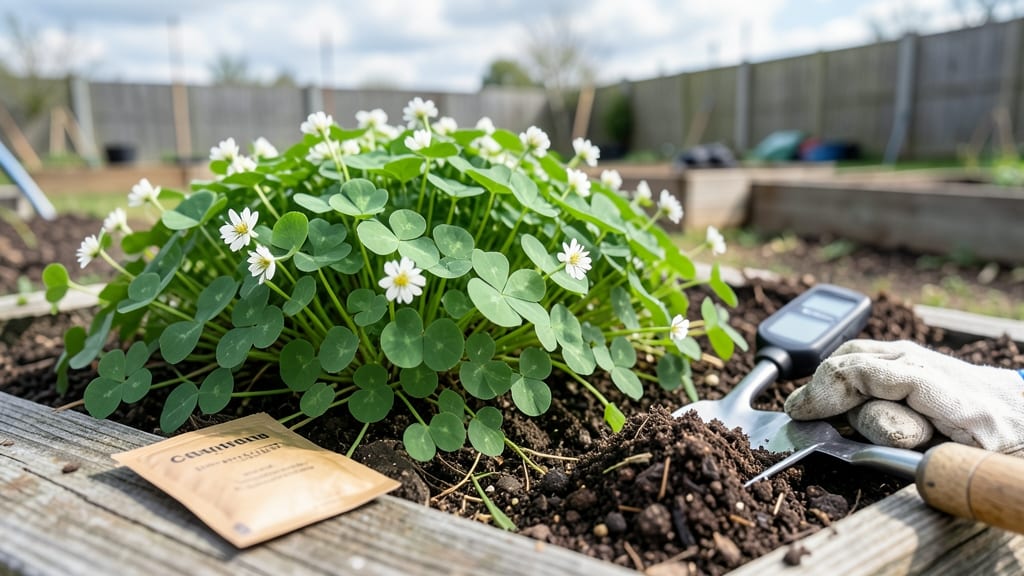
Planting clover in Maryland at the wrong time can mean the difference between a lush, nitrogen-rich lawn and a patchy mess fighting weeds. The fastest establishment comes from timing it right—whether you're sowing white Dutch clover for pollinators or red clover for soil health.
Maryland’s 7a-8a climate gives you two prime windows: early spring (March-April) right after the last frost or early fall (September-October) before the first chill. But here’s the catch—if you plant too early, clover seeds might rot in cold soil, while waiting too long risks summer drought stress.
I’ve tested these methods in Maryland’s varied zones, from the cooler coastal areas to the warmer Piedmont region. The key is soil temperature—wait until it hits 55°F+—and adjusting for your local microclimate.
Let’s break down the exact dates and strategies to get your clover off to a fast, weed-free start.
Whether you’re overseeding an existing lawn or starting fresh, this guide cuts through the guesswork. You’ll learn how to time your planting for maximum germination, plus backup plans for Maryland’s famously unpredictable spring weather.
Maryland clover planting dates by frost Zone (with exact months)
Maryland’s three USDA frost zones (6b, 7a, 7b) create distinct planting windows for clover, with white Dutch clover and microclover thriving in cooler springs while red clover prefers slightly warmer soil.
Timing matters—plant too early, and frost kills seedlings; too late, and summer heat stresses young plants. Let’s break down the exact months for each zone to maximize your nitrogen-fixing ground cover.
Zone 6b (western Maryland, including Hagerstown) has the latest frosts, while Zone 7b (coastal areas like Annapolis) enjoys the longest growing season. Spring planting is ideal for all zones, but fall planting (September-October) works too, giving clover roots time to establish before winter.
For fastest germination, aim for soil temperatures above 55°F—a critical threshold for clover seeds.
Here’s your zone-by-zone planting schedule, including exact months and varieties that perform best in each area:
| USDA Zone | Last Frost Date | Best Spring Planting Window | Best Fall Planting Window | Top Varieties |
|---|---|---|---|---|
| 6b (Western MD) | Mid-April | April 15–May 15 | September 15–October 10 | White Dutch Clover, Crimson Clover |
| 7a (Central MD) | Early April | March 20–April 30 | September 1–October 15 | Microclover, Ladino Clover |
| 7b (Coastal MD) | Late March | March 10–April 15 | August 20–September 30 | Red Clover, Alsike Clover |
For Zone 6b, wait until mid-April to plant—earlier sowings risk frost damage. White Dutch clover is your best bet here; it tolerates cooler soils and establishes quickly.
In Zone 7a, you can start as early as late March, but monitor soil temps with a thermometer to avoid planting in cold, wet ground. Microclover is ideal for lawns here, as it spreads gently without crowding out grass.
Zone 7b gardeners have the earliest window, starting in late March. Red clover thrives here, adding deep roots that improve soil health. If you’re planting in fall, prioritize September in Zone 6b and August in Zone 7b to give seeds time to germinate before winter. Always water newly planted clover daily for 2 weeks to keep soil moist—this is non-negotiable for germination.
Pro tip: Use a seed starter mix if your soil is heavy clay (common in western Maryland). Mix in compost or peat moss to improve drainage. For lawn overseeding, mow existing grass short (1–1.5 inches) before spreading clover seed.
This opens gaps for new growth and reduces competition. Avoid fertilizing immediately after planting—clover fixes its own nitrogen!
If you’re unsure about your zone, check the Maryland Climate Hub or use the USDA Plant Hardiness Map. Coastal areas like Annapolis (Zone 7b) can plant 2–3 weeks earlier than inland Frederick (Zone 6b).
Adjust for microclimates: South-facing slopes warm up faster, while low-lying areas stay cooler longer. Use this to your advantage—plant early on sunny slopes and delay in shady spots.
Remember, clover is a perennial in Maryland, meaning it’ll return year after year if planted correctly. The first year focuses on root establishment, so don’t expect a lush lawn immediately. By year two, you’ll see dense growth and those signature white or red flower clusters that bees adore.
Plan your planting now, and you’ll enjoy a low-maintenance, nitrogen-rich lawn for seasons to come.
🌱
How Maryland’s soil temperature and rainfall affect clover growth timing
Maryland’s soil temperature and rainfall patterns create two distinct planting zones: the cooler coastal areas and the warmer Piedmont region. Clover thrives when soil reaches 55°F or warmer, but Maryland’s spring soil warms unevenly—coastal areas lag behind inland zones by 1-2 weeks.
In the Piedmont region, soil typically hits 55°F by late March, while coastal areas like Annapolis may not reach this threshold until early April. This delay forces gardeners in coastal zones to wait longer, risking summer drought stress if planted too late.
Rainfall also plays a critical role. Maryland’s spring showers (March-May) provide ideal moisture for germination, but excessive humidity can lead to seed rot. The Piedmont’s drier climate often requires supplemental irrigation, while coastal areas benefit from natural rainfall.
⚠️ Critical Timing Warning: Don’t Plant Too Early!
Clover seeds rot at 40°F or below. Testing soil temperature with a soil thermometer (or pressing your hand into the ground—if it feels cold, it’s too early) prevents wasted seed. Maryland’s last frost dates vary by zone: April 15 (coastal) vs. April 1 (Piedmont).
For white Dutch clover, aim for soil temps between 55°F-70°F. If your area experiences late frosts (common in western Maryland), opt for fall planting in September instead. Red clover, harder to establish, benefits from warmer soil (60°F+) and should only be planted after April 15 statewide.
Maryland’s microclimates also affect timing. South-facing slopes warm faster than shaded areas, allowing earlier planting. Use a shade cloth in hot Piedmont summers to protect young clover from drought stress, while coastal gardeners should prioritize well-draining soil to avoid waterlogging.
Monitor weekly rainfall totals—clover needs 1-1.5 inches of water weekly during establishment. If your area faces drought conditions (common in June), switch to drip irrigation to maintain consistent moisture. Adjust planting dates 2-3 weeks later if rainfall is below average.
By aligning your planting with soil warmth, rainfall patterns, and Maryland’s microclimates, you’ll ensure fast germination and weed suppression—giving your clover the competitive edge it needs to thrive.
Start with a soil test to confirm pH (6.0-7.0 is ideal), then mark your calendar for late March (Piedmont) or early April (coastal).