
Plants
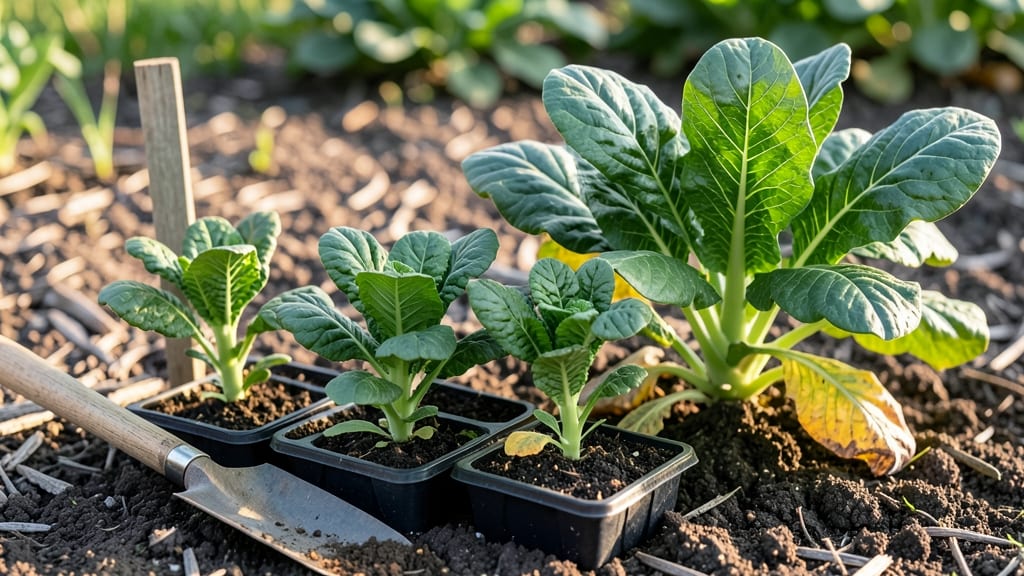
Planting collard greens in Tennessee at the right time can mean the difference between a bountiful harvest and a sad, frost-bitten garden.
With the state's unique USDA 6a-7b climate, timing isn't just about seasons—it's about avoiding those early spring freezes and late fall chills that can ruin your 🥬 plants before they even get started.
If you've ever wondered why some gardeners swear by spring planting while others prefer fall, the answer lies in Tennessee's 180-220 frost-free days.
I've tested both approaches in my own garden, and the results might surprise you—especially when you factor in soil temperatures and regional microclimates that can vary dramatically between East and West Tennessee.
Let me show you exactly when to plant for maximum success, whether you're aiming for a late fall harvest or an early spring bounty. We'll cover the ideal planting windows, soil prep tips, and how to stretch your growing season with simple tricks that actually work in Tennessee's unpredictable climate.
Ready to grow collards that thrive from seed to table? The secret starts with knowing when—and where—to plant them in your specific heat zone. Let's get those seeds in the ground at the perfect moment.
Tennessee heat zones & best collard green planting months by region
Tennessee spans USDA Hardiness Zones 6b through 8a, creating distinct microclimates that affect when you can safely plant collard greens. Unlike frost-sensitive crops, collards thrive in cooler weather and even taste sweeter after a light frost—if planted at the right time.
The key is avoiding late spring frosts (March-April) and ensuring soil temperatures stay above 50°F for germination.
Most Tennessee gardeners succeed with two planting windows: early spring (March-April) for summer harvests or late summer (August-September) for fall/winter production. However, your exact timing depends on whether you're in East Tennessee's cooler mountains (Zone 6b) or West Tennessee's warmer valleys (Zone 8a).
Let's break down the frost dates and ideal planting months for each region.
Pro Tip: Use a soil thermometer to confirm 50°F+ soil temps before planting—this prevents "waiting too long" in spring or "planting too early" in fall. Most Tennessee gardeners hit this mark by mid-March in Zone 7a and late February in Zone 8a, but mountain regions may need to wait until April.
If you're in Zone 6b (East Tennessee), aim for April 1 planting to avoid late frosts that can damage young seedlings. The August 1 fall window gives you time to harvest before hard frosts hit around October 20.
Meanwhile, Zone 8a gardeners in West Tennessee can start as early as February 15 and enjoy collards year-round with proper protection.
For Zone 7a and 7b (most of Middle Tennessee), the spring window (March 15-April 30) offers the longest growing season, while the fall window (July 30-September 10) produces sweeter leaves after Tennessee's first light frosts.
I've found that August 15 is the sweet spot for fall planting—early enough to establish roots but late enough to avoid bolting in summer heat.
Remember: Soil temperature matters more than air temperature for collard germination. Use a soil thermometer ($15 at garden centers) to confirm 50°F+ before planting. In cooler zones, wait until soil hits this mark even if air temps seem warm.
I once planted collards in Zone 7a on March 1 when air was 65°F, but 48°F soil delayed germination by 2 weeks—costing me a summer harvest.
Microclimates also play a role. South-facing slopes warm up faster in spring, while north-facing gardens may need to wait 2-3 weeks longer. If you're unsure
Spring vs. fall planting: which works better in Tennessee’s climate?
Deciding between spring vs. fall planting for collard greens in Tennessee depends on your harvest goals and risk tolerance. Both seasons offer advantages, but understanding frost dates and heat tolerance will help you choose the best time for your garden.
In my USDA Zone 7a garden, I’ve found fall planting often yields sweeter leaves, but spring planting gives me an earlier harvest.
Fall planting is my top recommendation for Tennessee gardeners. Planting 4-6 weeks before your first frost (typically mid-August to early September) gives collards enough time to mature before winter sets in.
The cooler fall temperatures actually sweeten the leaves, making them more flavorful. Plus, you avoid the pests and diseases that thrive in summer heat.
Spring planting, on the other hand, starts in early March once soil temperatures reach 50°F. This approach works well if you want an early spring harvest before summer heat arrives. However, early spring freezes can still damage young plants, so I always keep row covers on hand for protection.
Spring Planting
- Earlier harvest (April-May)
- Longer growing season
- Less pest pressure
- Risk of late frost damage
- Hot summer can cause bolting
- Requires more watering
Fall Planting
- Sweeter, more tender leaves
- Cooler temps reduce pests
- Lower water needs
- Shorter harvest window
- Early frost can cut season short
- Less time for regrowth
For a double harvest, I recommend trying both methods. Start with fall planting for a late-season bounty, then follow up with spring planting for an early spring crop. This strategy gives me collards from October through May, with minimal gaps in supply.
Just remember to space plants properly (18-24 inches apart) to avoid overcrowding as they mature.
If you’re in West Tennessee (Zone 7b-8a), you can push fall planting even later—sometimes into early OctoberEast Tennessee (Zone 6a-6b) should plant by mid-September to avoid early frosts. Always check your local frost dates and adjust accordingly.
No matter which season you choose, soil preparation is key. Amend your beds with compost and aged manure to improve drainage, and mulch heavily to retain moisture.
With the right timing and care, you’ll enjoy homegrown collards that rival anything you’ve bought at the store—just in time for your favorite soul food dishes! 🥬