
Plants
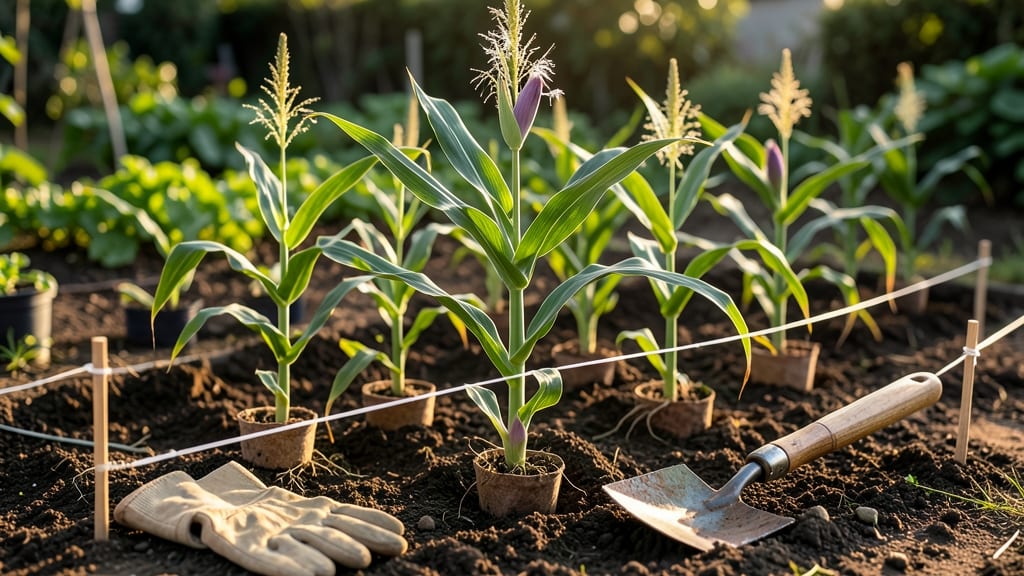
Planting corn in North Carolina at the wrong time means frost-killed seedlings or stunted ears—neither of which you want after all that hard work in the garden. The sweet spot? Mid-April to early June, when soil temperatures finally hit that magic 60°F mark and frost risks fade.
But here’s the catch: your exact timing depends on whether you’re in the Piedmont’s cooler hills or the Coastal Plain’s warmer lowlands.
I’ve grown 🌽 in NC’s 7a-8b zones for years, and the difference between a bumper crop and a sad harvest often comes down to those 2-3 week windows. Too early, and cold soil slows germination; too late, and you’ll miss peak harvest before summer’s heat sets in.
Let’s break down the exact dates—and pro tips—to nail your planting schedule this year.
You’ll also discover how to pick the right corn varieties for your region, from early-maturing sweet corn for short seasons to heat-tolerant hybrids that thrive in NC’s summer swelter.
Plus, I’ll share my go-to tricks for adjusting planting times if Mother Nature throws you a curveball—like unexpected late frosts or early heatwaves.
Ready to turn your garden into a cornucopia? Grab your calendar, and let’s get those seeds in the ground at the perfect moment for maximum yields—no guesswork required.
North Carolina corn planting dates by USDA Zone (2024 guide)
North Carolina spans USDA Zones 7a through 8b, offering gardeners a 200-day growing season perfect for corn. But timing varies dramatically—from the Piedmont’s cooler springs to the Coastal Plain’s early warmth.
Plant too soon, and late frosts (common in March) will kill tender seedlings. Too late, and your harvest window shrinks before fall’s first frost.
To succeed, focus on soil temperature (corn needs 60°F+ to germinate) and frost-free dates. Most NC counties experience their last frost between late March and early April, but mountain regions (Zone 7a) can linger until mid-April.
Here’s your zone-by-zone planting calendar for sweet corn, field corn, and dent corn varieties.
Pro Tip: Use a frost date calculator (like the NC State Extension’s tool) to pinpoint your exact planting window. For example, Raleigh (Zone 7b) averages a March 28 last frost, while Wilmington (Zone 8a) sees frost by March 15.
| USDA Zone | Last Frost Date | Ideal Planting Window | Soil Temp Requirement | First Harvest Window |
|---|---|---|---|---|
| 7a (Mountains: Asheville, Boone) | April 15 | May 1–May 15 | 60°F+ (use black plastic mulch) | Late August–early October |
| 7b (Piedmont: Raleigh, Greensboro) | March 28 | April 15–April 30 | 60°F+ (wait 2 weeks post-frost) | July 15–September 15 |
| 8a (Coastal Plain: Fayetteville, Wilmington) | March 15 | April 1–April 15 | 55°F+ (earlier starts possible) | June 20–August 20 |
| 8b (Outer Banks, Southern Coastal) | February 28 | March 15–March 31 | 50°F+ (use row covers) | June 1–July 31 |
For Zone 7a gardeners (like those in Asheville or Boone), May 1 is your sweet spot—planting earlier risks soil-borne diseases from lingering moisture. Use black plastic mulch to warm the soil faster.
In Zone 8b (Outer Banks), you can start as early as March 15, but protect seedlings with row covers if nights dip below 50°F.
Corn thrives on consistent warmth, so avoid planting when nighttime temps drop below 55°F. Check your local weather station for 7-day forecasts—if 50°F nights are predicted, delay planting. Soil thermometers are your best friend; corn seeds won’t germinate below 55°F, even if air temps are warm.
Stagger your planting dates for a continuous harvest. For example, in Raleigh (Zone 7b), plant:
- April 15: Early varieties (e.g., Silver Queen, 70 days)
- April 30: Mid-season (e.g., Peaches and Cream, 90 days)
- May 15: Late varieties (e.g., Bodacious, 110 days)
Watch for late-season heat, which can dry out corn silk and reduce pollination.
In Zone 8a/b, if temps exceed 95°F during tasseling (June–July), shade cloth or drip irrigation can help. Drought stress during ear development leads to small, shriveled kernels—prioritize deep watering (1–2 inches per week) once plants reach knee-high.
Extend your
How to adjust corn planting time for North Carolina’s microclimates
North Carolina’s diverse geography means your corn planting schedule should vary dramatically depending on whether you’re in the Coastal Plain, Piedmont, or Mountain regions. While Coastal areas like Wilmington enjoy 200+ frost-free days, high-elevation spots near Asheville might only get 150 days.
These differences can shift your planting window by 4-6 weeks, making local adjustments critical for success.
In the Coastal Plain (USDA Zones 8a-8b), you can plant sweet corn as early as mid-March for early varieties, while Mountain gardeners (Zones 6b-7a) should wait until mid-May to avoid late frosts.
The Piedmont’s moderate climate (Zones 7a-7b) falls in between, with ideal planting dates spanning late April to early May. Understanding these regional differences helps you avoid common mistakes like planting too deep in cold soil or missing the optimal 60°F soil temperature threshold.
For Mountain regions, elevation plays a huge role. Areas above 3,000 feet (like the Blue Ridge Parkway) may need to use row covers or plant in black plastic mulch to warm soil faster.
I’ve had success in Waynesville by planting early-maturing varieties (70-day harvest) in late May, then extending the season with floating row covers to protect tender plants until mid-September.
In the Piedmont, where cities like Raleigh and Greensboro dominate, focus on soil preparation rather than timing adjustments. Amend heavy clay soils with compost to improve drainage, and consider starter fertilizer to jumpstart growth.
Plant early varieties in late April and late varieties in early June to stagger harvests and avoid bolting from heat stress.
The Coastal Plain offers the longest growing season, but heat and humidity can stress corn plants. Here, prioritize disease-resistant hybrids and plant shade cloth over rows during peak summer months to reduce fungal pressure.
Start seeds indoors in February for a March transplant, then follow with succession plantings every 2 weeks until mid-May to ensure continuous harvests.
No matter your region, always monitor weekly frost forecasts and use frost cloth for late plantings. In my Mountain garden, I’ve learned that pushing the season too far often backfires—better to harvest 80% of your crop on time than risk losing everything to early fall frosts.
Adjust your schedule based on local weather patterns, not just USDA zones.