
Plants
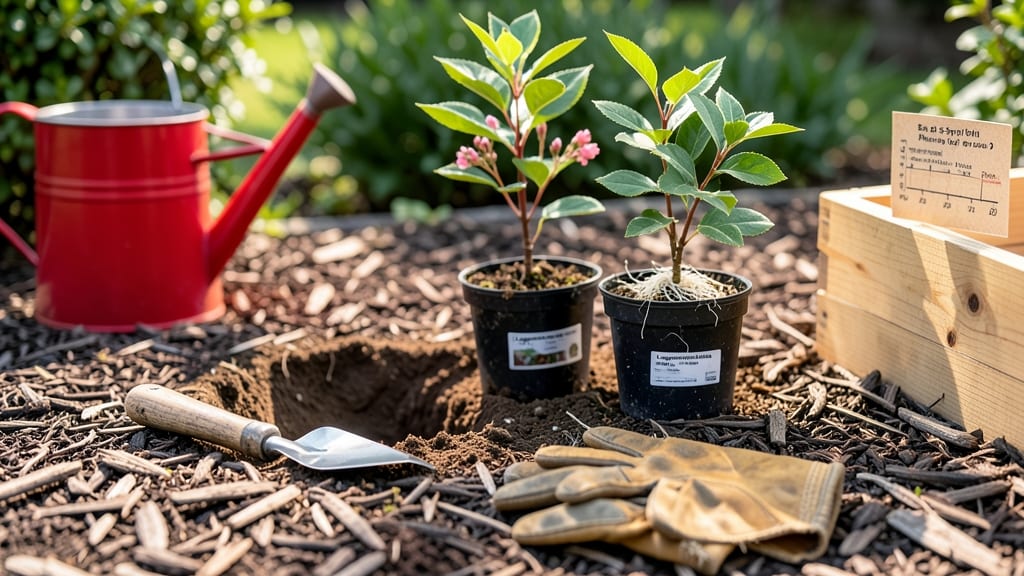
To plant crape myrtle in Zone 9 without turning your 🌸 into a heat-stressed disaster, timing is everything—and the wrong window can leave your shrub fighting for survival.
This isn’t just about throwing a plant in the ground; it’s about giving it the best shot to thrive in your hot, dry climate.
Most gardeners in Zone 9 make the mistake of planting too late, when summer’s scorching heat is already bearing down. But there’s a sweet spot—a window where soil is warm enough for roots to take hold, yet temperatures stay mild enough to prevent shock.
I’ll show you exactly when to dig in for stronger growth and longer-lasting blooms, plus how to prep your soil and protect your new plant from Zone 9’s biggest threats.
You’ll also discover why late winter or early spring is your best bet, how to tell if your crape myrtle is struggling from poor timing, and the simple tricks to keep it healthy once it’s in the ground.
Skip the guesswork and let’s get your 🌸 off to the right start.
Ready to avoid the common pitfalls? Let’s break down the ideal planting schedule, soil prep, and care tips so your crape myrtle doesn’t just survive—it thrives in Zone 9’s challenging conditions.

Best planting windows for crape myrtle in Zone 9: avoid summer heat
Zone 9 gardeners know that crape myrtle thrives with proper timing—planting too early risks frost damage, while late summer heat can stress young roots. The ideal window balances soil warmth and cooler temperatures to give your shrub the best start.
Let’s break down the two best times and why they matter most in our hot climate.
In Zone 9, early spring (March-April) is the classic choice because it aligns with rising soil temperatures and avoids the extreme summer heat. However, many gardeners overlook late summer/early fall (August-September) as a hidden gem for crape myrtle success.
This window offers cooler air and soil, reducing transplant shock while still allowing roots to establish before winter.
Here’s why timing matters: Crape myrtles hate heat stress during establishment. When planted in peak summer (June-August), young roots struggle to absorb water, leading to wilting or even death. Even spring planting has risks—if you plant too early (February), a late frost could damage tender new growth.
Soil temperature is critical. Crape myrtles prefer 60°F+ soil for root growth, which Zone 9 typically hits by mid-March. However, by late summer, soil stays warm but air cools slightly—perfect for root development without the intense afternoon sun of June.
Let’s compare the two best windows side-by-side to help you decide which works for your schedule and microclimate.
For early spring planting, aim for March 15-April 15 in Zone 9. This gives roots 3-4 months to establish before summer’s peak heat. Start by amending your soil with compost or aged manure to improve drainage—crape myrtles hate soggy roots.
Water deeply 2-3 times per week for the first month to encourage root spread.
If you prefer fall planting, late August to early September is ideal. The soil stays warm from summer, while evening temperatures drop, reducing stress. This window also lets you plant bare-root crape myrtles (available in fall nurseries), which often establish faster than container-grown plants.
Pro tip: If you miss both windows, October planting can work in cooler microclimates (e.g., higher elevations). However, avoid planting after November 1—roots need 6-8 weeks to harden off before winter dormancy. Use a mulch blanket of straw or wood chips to protect roots from freeze-thaw cycles.
Remember, container-grown crape myrtles adapt slightly better to off-season planting than bare-root, but they still benefit from shade cloth during the first 2 weeks if planted in summer.
Always check your local frost dates—some inland Zone 9 areas (like Phoenix) have no frost, while coastal areas (like San Diego) may get light frosts in winter.
No matter when you plant, avoid full sun for the first 2 weeks
How to prepare crape myrtle for Zone 9 planting: soil, watering, and mulching tips
Zone 9’s intense heat and dry conditions demand extra prep work before planting your crape myrtle 🌸. Unlike cooler climates, you can’t just pop it in the ground and walk away—your new shrub needs well-amended soil, consistent moisture, and protective mulch to survive those 100°F+ summers.
I’ve learned the hard way that skipping these steps leads to wilting, stunted growth, or even plant death.
First, focus on soil preparation. Crape myrtles thrive in well-draining soil with a slightly acidic to neutral pH (6.0-7.0). Zone 9’s native soil is often clay-heavy and alkaline, which can suffocate roots.
Amending with compost or aged manure improves drainage while adding organic matter to retain moisture—a critical factor in our dry climate.
🌱 STYLED LIST: Zone 9 Crape Myrtle Prep Checklist
- 🌱 Soil Amendment: Mix 3 inches of compost into top 12 inches of soil + 1 cup bone meal for phosphorus
- 💧 Watering Prep: Water deeply 3 days before planting to settle soil and reduce transplant shock
- ☀️ Planting Time: Aim for early morning to avoid midday heat stress (plant between 6-9 AM)
- 🪴 Mulching Layer: Apply 3-inch mulch ring (wood chips or pine straw) 3 inches from trunk
- 🌡️ Temperature Check: Wait until soil temps reach 60°F+ (use a soil thermometer for accuracy)
Watering is where most Zone 9 gardeners fail. New crape myrtles need deep, infrequent watering—not light sprinkles that only wet the surface. After planting, water every 3-5 days for the first 4 weeks, then taper to once weekly as roots establish.
The key is soaking the root zone (about 1-2 gallons per watering) to encourage deep root growth. Avoid wetting the foliage to prevent fungal diseases like powdery mildew, which thrives in our humid summers.
Mulching isn’t optional—it’s a lifesaver in Zone 9. Apply 3 inches of organic mulch (like wood chips or pine straw) around the base of your crape myrtle, keeping it 3 inches away from the trunk to prevent rot.
This mulch layer retains moisture, regulates soil temperature, and suppresses weeds that compete for water. Replenish mulch annually, especially after heavy rains wash it away. Pro tip: Use dark mulch (like cypress) to absorb more heat during the day and release it slowly at night.
One mistake I see often is overwatering after mulching. While mulch helps retain moisture, it doesn’t eliminate the need for occasional deep watering. Check soil moisture by sticking your finger 2 inches down—if it’s dry, water thoroughly.
In peak summer, you may need to water every 5-7 days depending on rainfall. A drip irrigation system is ideal for Zone 9 crape myrtles, as it delivers water directly to the roots without wetting leaves.
Finally, give your crape myrtle a slow-release fertilizer at planting time to kickstart growth. Use a balanced 10-10-10 formula mixed into the soil, then avoid fertilizing until late winter when new growth begins. Over-fertilizing in Zone 9’s heat can burn roots and attract pests.
With these prep steps, your crape myrtle will establish strong roots and bloom beautifully for years to come—no heat stress in sight! 🌿