
Plants
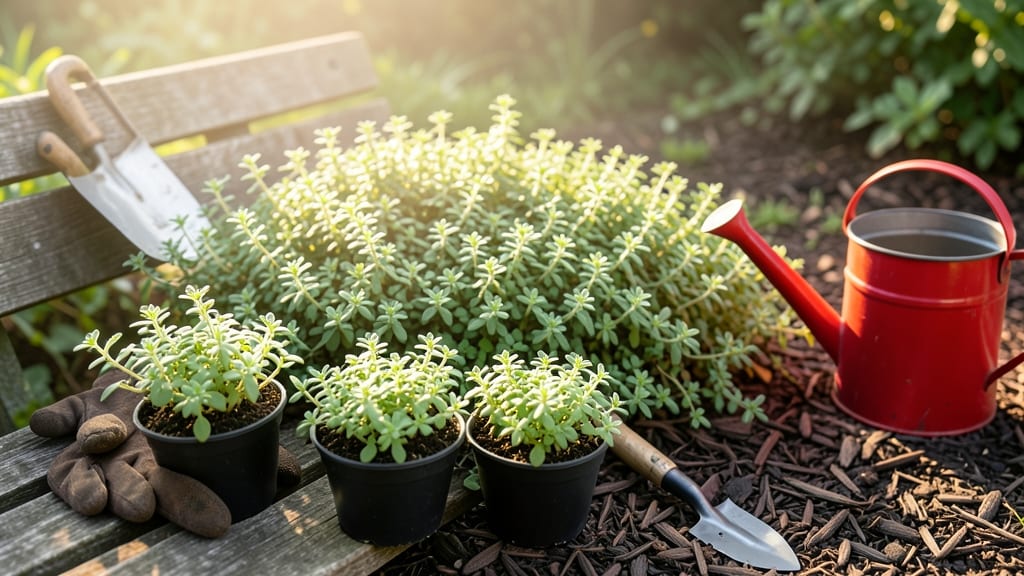
Timing your creeping thyme planting in Colorado wrong could mean the difference between a thriving 🌿 ground cover and a frost-killed disappointment.
Unlike many plants, creeping thyme thrives in Colorado’s USDA Zones 5-7, but its success hinges on understanding your local frost dates—especially when northern Colorado’s last frost hits April 15 and southern regions can start as early as March 15.
You might assume planting in early spring is always the answer, but Colorado’s elevation zones complicate things. At higher altitudes, soil warms slower, and late frosts can linger well into May. Meanwhile, lowland areas might be ready by late February.
The key is aligning your planting with soil temperatures of 50°F or higher—when the ground is dry enough to work but not yet scorching.
What if you’re unsure about your specific microclimate? I’ll break down how to adjust planting times based on your elevation, whether you’re in Denver’s 5,280 ft or the mountains’ 8,000+ ft zones.
Plus, I’ll share how to protect young plants from unexpected late frosts, so you can enjoy this hardy herb year-round without the guesswork.
Ready to turn your Colorado garden into a fragrant, low-maintenance thyme haven? Let’s dive into the exact planting windows, soil checks, and elevation-specific tips that will have your creeping thyme spreading like a pro—no matter where you live in the Centennial State.
Colorado’s frost-free dates for creeping thyme by elevation Zone
Colorado’s elevation zones dramatically impact when you can safely plant creeping thyme. At 3,000 feet, your last frost might be March 15, while at 10,000 feet, frost can linger until May 15. Understanding these frost-free windows ensures your thyme thrives, not just survives.
Creeping thyme (Thymus serpyllum) is a hardy perennial that adapts well to Colorado’s climate, but timing is critical. Soil temperature must reach 50°F for 2–3 consecutive days before planting. Below this threshold, seeds won’t germinate, and transplants risk root rot.
Use USDA Hardiness Zones 5–7 as a baseline, but remember: microclimates in Colorado can shift frost dates by 2–4 weeks. For example, Denver’s 5,280-foot elevation falls in Zone 5b, while Colorado Springs (6,035 ft) is Zone 6a.
Here’s a zone-by-zone breakdown of when to plant creeping thyme in Colorado, based on Colorado State University data and local gardener reports:
For low-elevation zones (3,000–5,000 ft), aim to plant creeping thyme between March 20 and April 15. This aligns with Denver and Front Range areas where spring warmth arrives earlier. Use row covers if late frosts threaten, as temperatures can drop 10°F overnight.
At higher elevations (7,000–10,000 ft), wait until May 1–June 1 to plant. Mountain microclimates like Aspen or Telluride experience later frost dates due to cold air pooling. Test soil with a soil thermometer—55°F is your minimum for these zones.
Fall planting is risky in Colorado due to early frosts. If you attempt it, plant 6–8 weeks before your first frost date (e.g., August 15 in Denver). Use mulch to insulate roots, but expect slower establishment compared to spring.
Pro tip: Colorado State University’s PlantTalk offers localized frost forecasts. Bookmark their Colorado Climate Center for real-time updates. Pair this with a garden journal to track your microclimate’s unique frost patterns over years.
Remember, creeping thyme is drought-tolerant once established, but young plants need consistent moisture. Water deeply after planting to encourage root growth, then taper off as temperatures rise. Mulch lightly to retain moisture without smothering the plant.
Signs your Colorado soil is ready for creeping thyme planting
Creeping thyme thrives in Colorado’s well-draining, slightly alkaline soil, but timing your planting depends on more than just frost dates. High-altitude zones like Denver or Boulder can have late spring frosts even after Memorial Day, so soil readiness is your best indicator.
Before planting, check for these three key signs that your garden is truly ready.
First, test your soil temperature using a soil thermometer—creeping thyme needs soil to warm to at least 50°F for 5–7 consecutive days. In elevation zones above 6,000 feet, this can mean waiting until early May, while lower elevations may be ready by mid-April.
Pro tip: Place the thermometer 2 inches deep where you plan to plant.
Next, examine soil moisture levels. Creeping thyme prefers dry to moderately dry conditions and won’t tolerate soggy soil. Press your finger 1–2 inches deep—if the soil feels damp but not wet, it’s ideal.
Waterlogged soil signals poor drainage, which can cause root rot in this drought-tolerant herb. Amend heavy clay soils with coarse sand or perlite to improve aeration.
Here’s where companion plants become your secret weapon. If nearby catmint, lavender, or sedum are already sprouting vigorously, your thyme is likely ready too. These drought-resistant perennials share similar growing conditions and act as natural indicators. Avoid planting near water-loving plants like hostas, which compete for moisture.
🌱 Your Colorado Thyme Planting Checklist
- ✅ Soil temp: 50°F+ for 5+ days
- ✅ Moisture: Damp but not wet (1–2" deep)
- ✅ Companions: Catmint/lavender actively growing
- ✅ Frost risk: No hard frost forecast for 2 weeks
- ✅ Sunlight: 6+ hours daily (no shade from snow)
💡 Pro Tip: In high-altitude zones, use black plastic mulch to warm soil faster and extend your planting window by 2–3 weeks.
Don’t overlook the sunlight angle—Colorado’s low winter sun can cast unexpected shade. After planting, monitor your thyme’s exposure; if shadows stretch beyond 4 hours daily, consider a south-facing slope or raised bed for better light. Young plants are especially vulnerable to late-season shade from tall perennials.
Finally, trust your local frost data. While creeping thyme is hardy to USDA Zone 5, seedlings can still suffer from unpredictable late frosts. Use the Colorado State University frost calculator (link in resources) to input your exact elevation.
If your area has a 30%+ chance of frost in the next 10 days, delay planting or use frost cloth for protection.
When all these signs align—warm soil, dry conditions, and companion growth—your creeping thyme will establish roots quickly and spread into that fragrant, low-maintenance ground cover you’ve been dreaming of. Happy planting! 🌿