
Plants
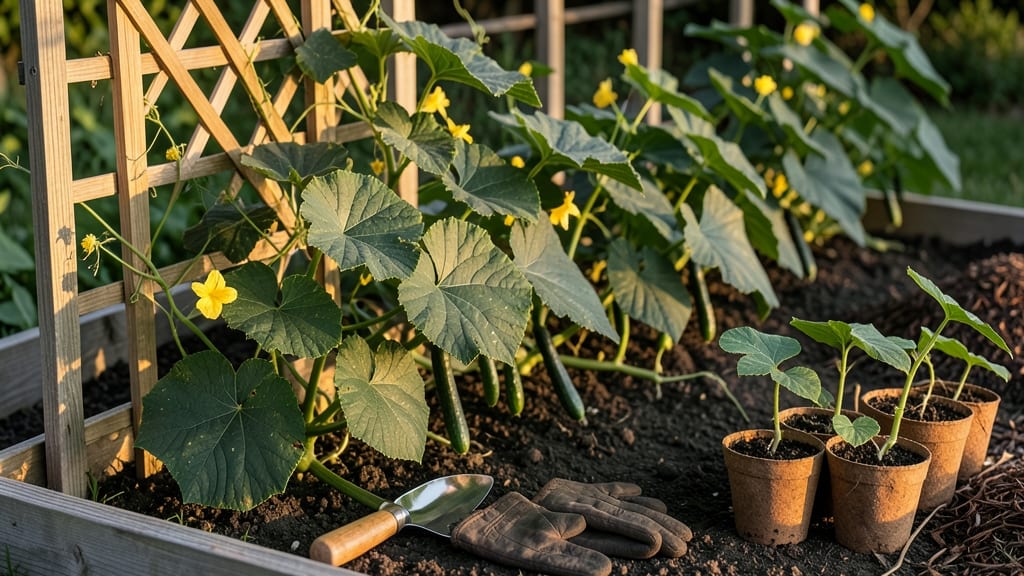
Timing your cucumber planting in East Tennessee can feel like a guessing game—plant too early, and your seeds may rot in cold soil; too late, and you miss peak harvest season.
The key to success lies in waiting for soil temperatures to hit 60°F and all frost risk to fade, ensuring your 🥒 vines thrive from the start.
With East Tennessee’s 6a-7b climate, your planting window typically opens around April 15, but don’t rush—soil warmth matters more than calendar dates. I’ll show you how to check soil temperature and adjust for microclimates, so you can plant with confidence and avoid common mistakes that stall germination.
Whether you’re direct-sowing seeds or transplanting seedlings, getting the timing right means faster growth and a more productive harvest. Let’s break down the exact cues to watch for—from leaf-out timing to soil thermometer readings—so you can start your cucumbers at the perfect moment.
Ready to skip the trial-and-error? By the end, you’ll know exactly when to plant for fast germination and a garden full of crisp, homegrown cucumbers all summer long.
East Tennessee cucumber planting timeline: soil temperature & frost dates
Timing is everything when planting cucumbers in East Tennessee. Unlike hardy crops, cucumbers demand warm soil (60°F+) and frost-free nights to germinate properly. In USDA Zones 6a-7b, the window between last frost (April 1) and stable warmth is narrow—miss it, and your seeds may rot before sprouting.
Mountain regions like Gatlinburg (Zone 6a) face later planting dates (late May) compared to valley areas (Zone 7b), where mid-April is ideal. A soil thermometer becomes your best friend—without it, you’re guessing whether your soil is ready or still too cold.
Here’s your East Tennessee cucumber planting timeline, broken down by microclimate, soil warmth, and frost risk to maximize germination success:
For precision planting, invest in a soil thermometer ($15–$20) to check temperatures at 4-inch depth—this is where cucumber seeds need warmth. Test your soil in the morning; if it’s below 60°F, wait 3–5 days before planting.
Pro tip: Black plastic mulch can raise soil temps by 5–10°F, giving you an earlier start in cooler areas.
If you’re transplanting cucumber seedlings (bought from a nursery), wait until nighttime temps stay above 50°F. Seedlings are more resilient than seeds but still need warmth to establish roots.
In valleys, you can push seedlings into the ground by April 20, while mountain gardeners should hold off until May 20.
Don’t rely solely on calendar dates—use local leaf-out cues as backup. When red maple trees (common in East Tennessee) bloom, it’s a sign that soil temps are rising and cucumbers can follow 2–3 weeks later. Pair this with your thermometer for foolproof timing.
For extended harvests, consider succession planting every 2 weeks from April through June. This ensures a steady supply of fresh cucumbers from July through September, even as summer heat peaks. Just remember: cucumbers hate cold soil, so never rush planting—patience now means bigger yields later.
Finally, if you’re in a high-altitude garden, combine row covers with black plastic mulch to create a microclimate that mimics valley conditions. This trick lets you plant 2–3 weeks earlier than the standard timeline, giving you a head start on the growing season.
🌱
5 Signs your East Tennessee soil is ready for cucumber seeds (before planting)
Planting cucumbers too early in East Tennessee can leave your seeds sitting in cold, damp soil—leading to rot instead of sprouts. Cucumbers need warm soil (at least 60°F) and consistent temperatures above 50°F at night to germinate properly.
Since our region spans USDA Zones 6a-7b, timing varies between Knoxville’s valleys and Gatlinburg’s high-altitude areas.
Instead of guessing by calendar dates, watch for these 5 clear signs that your soil and climate are finally cucumber-friendly. These cues account for microclimate differences, soil warmth, and local plant hardiness—so you can plant with confidence, whether you're in Knoxville, Sevierville, or the Smoky Mountains.
-
🌡️ Soil temperature reaches 60°F+
Use a soil thermometer (or press your hand into the soil—if it feels warm like bathwater, it’s ready). In Knoxville, this typically happens by mid-April, while Gatlinburg’s higher elevations may wait until late May. -
🌿 Dogwood trees are in full bloom
Dogwoods bloom 2-3 weeks before cucumbers can handle cold snaps. When their flowers fade, it’s your cue to test soil warmth—if it’s 60°F+, plant your seeds within 7-10 days. -
🌱 Peas and spinach are bolting
Cool-weather crops like peas and spinach bolting (flowering prematurely) signals consistent warm days. Once they bolt, cucumbers can thrive in the same soil. This usually occurs by early May in valleys and late May in mountainous areas. -
☀️ Nighttime temperatures stay above 50°F
Cucumbers won’t germinate if nights dip below 50°F. Check your local weather forecast for 5-day averages—if lows are consistently above 50°F, your seeds are safe from frost damage. -
🌳 Maple trees are fully leafed out
Sugar maples leaf out 1-2 weeks after dogwoods and signal stable warm soil. Once their leaves are fully unfurled, dig a 6-inch-deep hole—if the soil feels warm and crumbly, it’s time to plant.
For high-altitude areas like Gatlinburg or Townsend, add 2-3 weeks to these timelines. The Smoky Mountains’ cooler microclimates can delay soil warming by 10-14 days compared to Knoxville or Chattanooga. If you’re unsure, use black plastic mulch to warm the soil 5-7 days faster.
Once you spot these signs, direct-sow seeds ½-inch deep, spacing them 3-4 inches apart in rows 2 feet apart. In containers, use 1-2 seeds per 5-gallon pot. Germination should happen in 5-10 days—if not, check for consistent moisture and warmth.
Pro tip: Plant bush varieties (like ‘Bush Champion’) in high-altitude gardens—they mature faster and handle cooler soils better than vining types. With these signs as your guide, you’ll avoid the #1 mistake of East Tennessee gardeners: planting cucumbers too early and watching them rot in the cold! 🥒