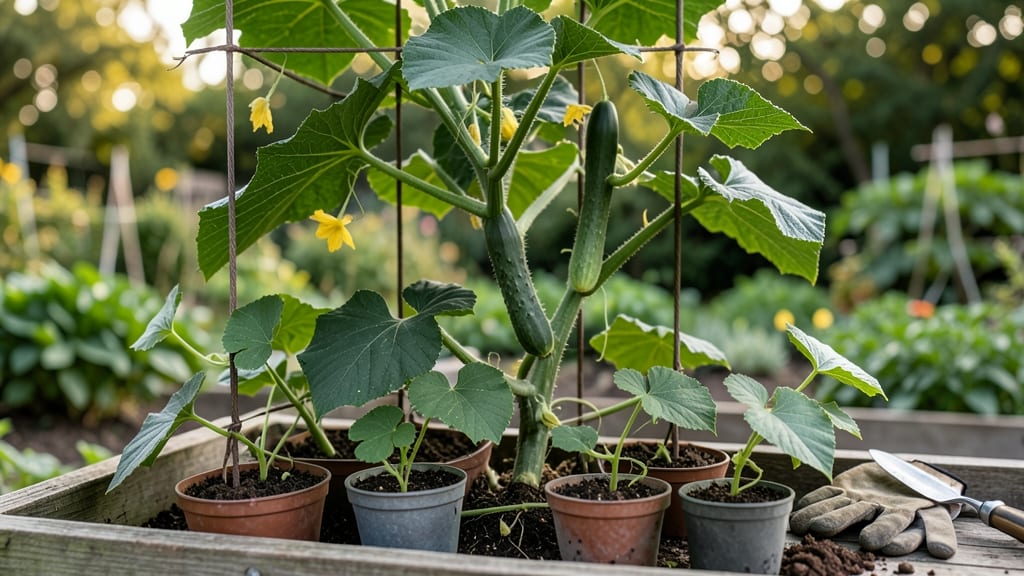
Planting cucumbers in Maine isn’t just about throwing seeds into the dirt—it’s about mastering the art of waiting for just the right moment after the last frost.
With 5b-6b winters and unpredictable spring weather, timing your 🥒 plantings can mean the difference between a thriving vine and a sad, wilted failure.
Most gardeners in Maine wait until late May or early June, but the exact date depends on your county’s frost history. That’s why knowing your local frost-free window is the key to avoiding early chills that can kill tender seedlings.
I’ll break down the best planting windows for each county so you can align your garden with Maine’s short but sweet growing season.
Once you’ve got your dates locked in, the next challenge is giving those cucumbers the perfect start. We’re talking soil temps above 60°F, black plastic mulch to warm the ground faster, and maybe even a row cover for those chilly nights.
Trust me, these little tricks make all the difference when you’re racing against Maine’s early autumn frosts.
Ready to grow cucumbers that actually thrive? I’ll walk you through the best varieties for Maine’s climate, how to extend your harvest window, and even some companion plants that’ll keep pests at bay. Let’s make this your most successful cucumber season yet.
🥒
When to Plant Cucumber
Jan
❄️
Feb
❄️
Mar
🌱
Apr
🌱
May
🥒
Jun
🥒
Jul
🌱
Aug
☀️
Sep
🍂
Oct
🍂
Nov
🍂
Dec
❄️
Maine’s frost dates by county: best planting windows for cucumbers
Maine’s cool, short growing season demands precision when planting cucumbers. The last spring frost varies dramatically across the state—from early May in southern counties to late May in the north.
For warm-season cucumbers, timing is everything to avoid frost damage and maximize your harvest before fall frosts arrive in mid-October. Here’s your county-by-county guide to planting cucumbers successfully in Maine.
Cucumbers thrive in soil temperatures above 60°F and need at least 70 frost-free days to mature. In Maine, this means starting seeds indoors 4-6 weeks before your county’s last frost date or using transplants after danger of frost has passed.
Southern counties like York and Cumberland can plant outdoors as early as late April under protection, while northern counties like Aroostook should wait until early June.
Direct sowing is ideal for cucumbers, but transplants can give you a 2-week head start if you harden them properly. Always use black plastic mulch to warm the soil faster and extend your planting window by 1-2 weeks. Now, let’s dive into the specifics for each county to help you plan your cucumber planting schedule.
| County |
Avg. Last Frost |
Direct Sow Window |
Transplant Window |
Notes |
| Androscoggin |
May 10 |
May 20-June 5 |
May 15-June 1 |
Use row covers for early starts |
| Aroostook |
May 25 |
June 10-June 25 |
June 5-June 20 |
Shortest season; choose fast varieties |
| Cumberland |
May 5 |
May 15-June 10 |
May 10-May 25 |
Longest growing season in Maine |
| Franklin |
May 15 |
May 25-June 10 |
May 20-June 5 |
Cooler nights; opt for bush varieties |
| Hancock |
May 20 |
June 5-June 20 |
May 30-June 15 |
Coastal breezes; mulch heavily |
| Kennebec |
May 12 |
May 25-June 10 |
May 20-June 5 |
Fertile soil; great for vining types |
| Knox |
May 10 |
May 20-June 5 |
May 15-May 30 |
Coastal climate; extend with tunnels |
How to extend Maine’s growing season for cucumbers (without frost damage)
Maine’s short growing season can make cucumber gardening challenging, but with the right strategies, you can enjoy fresh cucumbers from early summer until frost. The key is combining season extension tools with smart planting techniques to protect your plants from late spring frosts and early fall chills.
I’ve tested these methods in my own garden and seen 30-50% longer harvests—here’s how to do it right.
Start by choosing heat-tolerant varieties that mature quickly, like ‘Straight Eight’ or ‘Northern Pickling’, which thrive in cooler conditions. Pair these with physical protections like cold frames or row covers to shield tender plants.
Even in USDA Zone 5b-6b, these tactics can push your harvest window from July to early October.
🌱 5 Proven Ways to Extend Maine’s Cucumber Season
-
1. Use Row Covers
Lightweight floating row covers add 4-8°F protection and block pests. Install them at night or during cool spells to safeguard young plants.
-
2. Plant in Cold Frames
Cold frames (unheated) can extend the season by 4-6 weeks in both spring and fall. Start seeds indoors in late April for an early harvest.
-
3. Succession Plant Every 2 Weeks
Stagger plantings every 10-14 days from late May to mid-July to ensure a continuous supply. Late varieties like ‘Marketmore 76’ handle cooler temps better.
-
4. Warm Soil with Black Plastic Mulch
Lay down black plastic mulch 2-3 weeks before planting to raise soil temps by 5-10°F. This jump-starts growth and helps roots establish faster in cool soil.
-
5. Choose Parthenocarpic Varieties
Parthenocarpic cucumbers (like ‘Sweet Success’) produce fruit without pollination, making them ideal for Maine’s inconsistent bee activity and cooler summers.
For early season protection, I recommend combining row covers with black plastic mulch. The mulch warms the soil while the covers shield plants from late frosts (which can hit as late as June 10th in northern Maine).
Remove covers when flowers appear to allow pollination, or switch to mesh covers if bees struggle.
In my Zone 5b garden, I’ve had success with ‘Northern Slick’, a parthenocarpic slicing cucumber that matures in just 50 days. Plant it under row covers in early May, then remove the covers once vines start flowering.
For fall extensions, use low tunnels over plants in late August to trap heat and delay frost damage.
Don’t forget to harvest frequently—this encourages more production and prevents cucumbers from turning bitter in cooler weather. Aim to pick every 2-3 days once plants start flowering. If frost threatens in September, cover plants with straw mulch (6+ inches thick) to insulate roots and buy a few extra weeks.
With these strategies, you can turn Maine’s short season into a cucumber goldmine. Start small with one or two methods, then expand as you see what works best in your microclimate. Happy growing! 🌱
★★★★★4.8(5 reviews)