
Plants
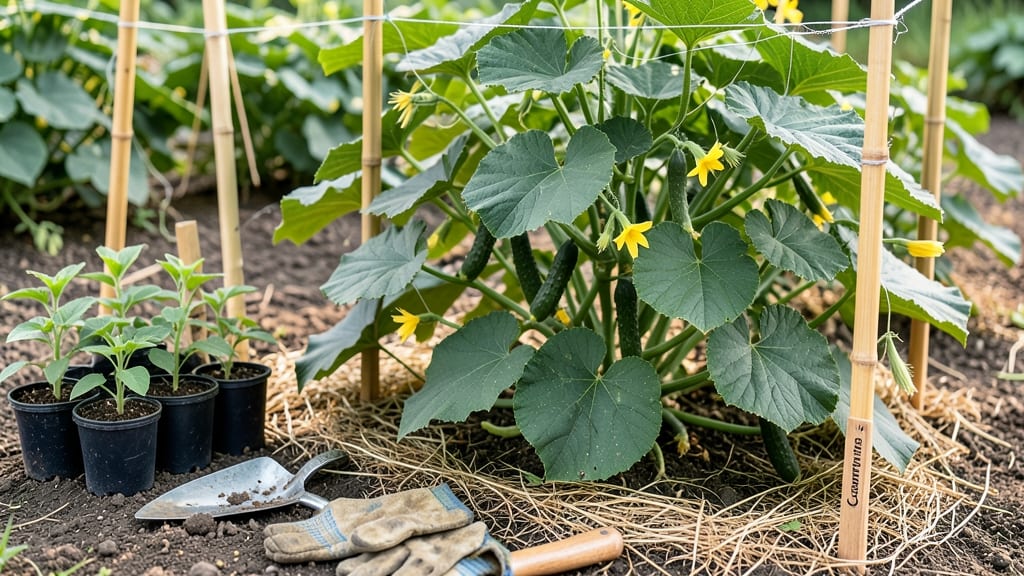
Timing your cucumber 🥒 planting just right in Portland, Oregon, means the difference between a bumper crop and a sad, wilted vine.
With last frost dates hovering around late April and soil that stays chilly well into May, getting those seeds in too early can spell disaster—black mold or stunted growth are common pitfalls for gardeners who rush the process.
I’ve learned the hard way that waiting for soil temperatures to hit at least 60°F (and ideally 70°F+) is non-negotiable for cucumbers to thrive in Portland’s USDA Zone 8a climate.
That’s why I now time my plantings between late April and mid-May, aligning with the city’s average frost-free window to give my vines the best shot at a long, productive summer.
Whether you’re starting seeds indoors for an early jump or sowing directly into warmed soil, this guide will walk you through the exact windows that work in Portland—plus how to extend your harvest with simple tricks like black plastic mulch or row covers.
No more guessing games, just a foolproof plan for crisp, homegrown cucumbers from July through September.
Ready to skip the trial-and-error? Let’s dive into the soil temp and frost-free timeline that’s made all the difference in my garden—and will for yours too.
Portland’s ideal cucumber planting timeline: frost dates & soil temperature guide
Portland’s cool, maritime climate demands precise timing for cucumber planting. The last spring frost typically arrives between April 15–May 15, while the first fall frost hits around October 1–15.
Cucumbers thrive in soil temperatures above 55°F for germination and 70°F+ for optimal growth. Planting too early risks black mold or stunted vines, while waiting too long shortens your harvest window.
Your microclimate matters—urban heat islands (like downtown Portland) warm up faster, while valleys or coastal areas stay cooler. Test soil temperature with a soil thermometer (bury it 2 inches deep) before planting.
For direct sowing, aim for late May when soil consistently stays above 60°F. Transplants can go in 2–3 weeks earlier if hardened off properly.
For transplants, start seeds indoors 4–6 weeks before your last frost date (around March 15–April 1). Use biodegradable pots to avoid root disturbance. Harden off seedlings by placing them outdoors for 2–3 hours daily in protected spots (like a porch or greenhouse) for 1 week before transplanting.
If you’re in a cooler microclimate (e.g., near the Willamette Valley or coastal areas), use black plastic mulch to warm soil by 5–10°F. Lay it down 2 weeks before planting to jumpstart germination.
For urban heat islands, you can plant 1–2 weeks earlier—just monitor for heat stress (yellowing leaves) and provide afternoon shade if needed.
Portland’s short growing season (about 165 frost-free days) means timing matters. Choose fast-maturing varieties (like ‘Straight Eight’ or ‘Bush Champion’) for reliable harvests. Succession plant every 2 weeks from May to July to extend production.
Avoid planting after July 15 unless you’re using row covers to delay fall frost.
Pro tip: Use a soil thermometer daily for 3 days to confirm consistency. If temps dip below 60°F at night, delay planting or use row covers to protect young plants. Remember, cucumbers grow best in warm soil—rushing can lead to poor root development and reduced yields.
For fall harvests, plant heat-tolerant varieties like ‘Marketmore 76’ in early August. Use cold frames or row covers to push harvests into October. Just be ready to harvest before frost—cucumbers won’t survive freezing temps.
Track Portland’s real-time frost forecasts via the National Weather Service or local gardening groups like the Portland Master Gardeners. Their updates can help you adjust your planting window for unpredictable late frosts. With the right timing, you’ll enjoy crisp, homegrown cucumbers from July through September!
How to extend your cucumber growing season in Portland’s cool climate
Portland’s chilly springs and early autumns can cut your cucumber harvest short, but with the right tricks, you can enjoy fresh cucumbers for weeks longer. The key is combining season-extending tools with fast-growing varieties that thrive in cooler conditions.
I’ve tested these methods in my own garden, and they’ve added 4-6 weeks to my harvest—sometimes even longer!
For Portland gardeners, the biggest challenges are late spring frosts and early fall chills. But by using black plastic mulch, row covers, or cold frames, you can create microclimates that fool cucumbers into thinking summer never ends.
Plus, choosing early-maturing varieties like ‘Straight Eight’ or ‘Bush Champion’ gives you a head start on the season.
Top 5 Methods to Extend Your Cucumber Season in Portland
-
1Black Plastic Mulch: Warms soil 10-15°F faster than bare earth. Lay it down 2-3 weeks before planting to jumpstart germination. Works best for early spring plantings.
-
2Row Covers: Adds 4-8°F protection against late frosts. Use floating row covers until flowers appear, then remove to allow pollination. Best for extending fall harvests.
-
3Cold Frames: Creates a mini greenhouse that can delay frost damage by 3-4 weeks. Ideal for bush varieties like ‘Lemon Cucumber’ in containers. Requires daily monitoring for overheating.
-
4Fast-Maturing Varieties: Choose 45-55 day varieties like ‘Straight Eight’ or ‘Early Girl’ to harvest before fall chills set in. Perfect for succession planting every 2 weeks.
-
5Succession Planting: Sow new seeds every 10-14 days from late April through June. Staggered plantings ensure a continuous harvest until frost. Works best with bush varieties.
🌱 Pro Tip: Combine black mulch + row covers for the longest season extension!
My favorite trick for early spring plantings is combining black plastic mulch with a low tunnel. I lay down the mulch in late March, then cover it with a hoop house made from PVC pipes and row fabric.
This setup lets me plant ‘Straight Eight’ cucumbers in early April—often 3-4 weeks before the average last frost date. The mulch warms the soil, while the tunnel protects tender seedlings.
For fall harvests, I rely on row covers and bush varieties. After the first week of October, I drape frost cloth over my ‘Bush Champion’ plants.
This simple cover has extended my last harvest into mid-November—sometimes even later if we get a warm spell. Just remember to secure the edges tightly to prevent wind damage!
Don’t overlook container gardening as another way to extend your season. Grow bush cucumbers in 5-gallon buckets and move them to a sunny patio or garage with grow lights when nights turn chilly.
This method works surprisingly well for ‘Lemon Cucumber’, which thrives in cooler temps and produces delicious, sweet fruit even when days shorten.
Finally, keep an eye on your soil temperature—it’s the real secret to success. Use a soil thermometer to ensure readings stay above 60°F for germination.
If your soil runs cold, try warming it with compost or a black plastic mulch for a few days before planting. Cooler soil slows growth, so every degree counts in Portland’s unpredictable climate!