
Plants
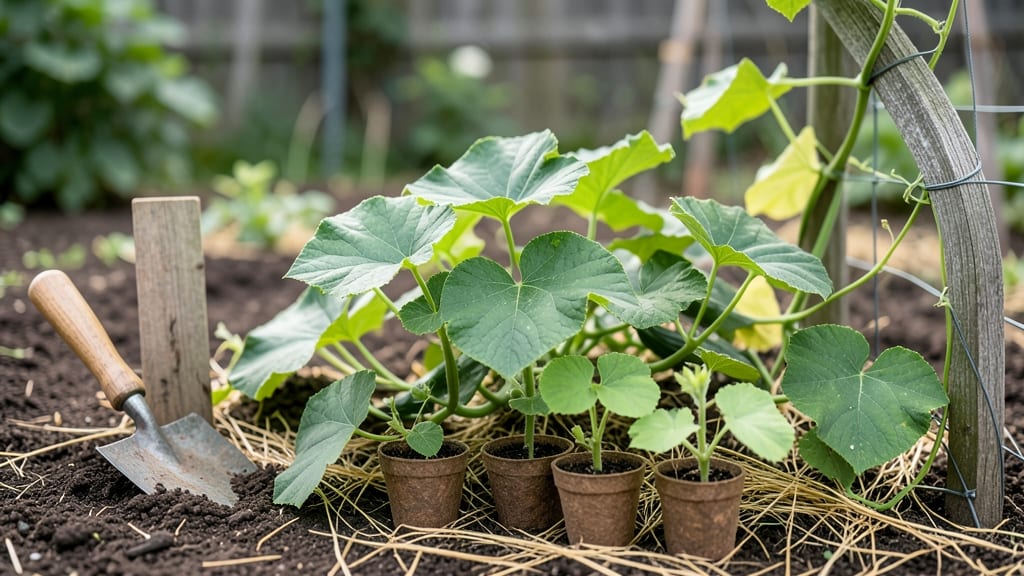
Planting cucumbers at the wrong time in South Carolina can mean the difference between a bountiful harvest and a sad, wilted vine. The perfect window starts after the last frost—typically mid-April to early June—but timing varies by county, from coastal Charleston to the Upstate’s cooler zones.
I’ve grown 🥒 cucumbers for years in 7b-8a, and the key is knowing your local frost dates. Plant too early, and frost will nip your seedlings; too late, and you’ll miss peak summer yields. The solution? Use county-specific planting guides to align with your microclimate.
In this guide, I’ll break down the best planting dates for your area, whether you’re sowing seeds directly or transplanting seedlings. You’ll also learn how to adjust for fall harvests and avoid common mistakes that ruin cucumber crops in South Carolina’s humid climate.
Ready to grow cucumbers that thrive? Let’s get your planting schedule dialed in for maximum success.
South Carolina cucumber planting calendar by county and climate Zone
South Carolina’s diverse climate—from the humid coastal plains to the cooler Upstate mountains—means cucumber planting dates can vary by 100+ days across regions. Whether you're in Charleston’s Zone 8a or Greenville’s Zone 7b, timing your cucumbers right ensures maximum yields and avoids frost damage.
The key is planting after your last frost date (typically mid-March to early April) and before summer’s 90°F+ heat sets in.
Cucumbers thrive in USDA Zones 7b-8a, but coastal areas (like Beaufort) enjoy longer growing seasons than Upstate regions (like Greenville). For a spring harvest, aim to plant 2-4 weeks after your last frost—usually April to early May.
For a fall harvest, sow seeds late July to early August to mature before the first frost (mid-November to early December).
Soil temperature is critical: cucumbers won’t germinate well below 60°F (15°C). Use black plastic mulch or row covers to warm soil faster in cooler regions like Spartanburg or Anderson. In coastal zones, like Hilton Head, you can start 2-3 weeks earlier thanks to milder winters.
| Region | Last Frost Date | Spring Planting Window | Fall Planting Window | First Frost Date | Notes |
|---|---|---|---|---|---|
| Coastal (Charleston, Beaufort, Hilton Head) | Mid-March | Late March - Early April | Late July - Early August | Late November | Longer season; use heat-tolerant varieties. |
| Piedmont (Columbia, Rock Hill, Camden) | Early April | Mid-April - Early May | Early August | Mid-November | Moderate heat; mulch to retain moisture. |
| Upstate (Greenville, Spartanburg, Anderson) | Early April | Early May | Late July | Early December | Cooler nights; use row covers for early starts. |
| Sandy Coastal (Myrtle Beach, Georgetown) | Late March | Early April | Late July | Early November | Sandy soil; amend with compost for better water retention. |
In Charleston and Beaufort, where winters are mild, you can even plant cucumbers as early as late March under row covers or in greenhouses. However, avoid planting too soon—cold soil slows germination, and frost-sensitive seedlings may fail.
For Upstate counties, like Greenville or Spartanburg, wait until early May to ensure soil warmth and avoid late spring frosts.
For a fall harvest, focus on late July to early August plantings. This gives cucumbers 80-100 days to mature before the first frost.
In Zone 8a (coastal), you might squeeze in a second fall crop by planting early September, but prioritize heat-tolerant varieties like 'Straight Eight' or 'Marketmore 76'.
Microclimates matter! Urban areas like Columbia or Greenville may have warmer microclimates near buildings or paved surfaces, allowing earlier planting. Conversely, valley regions (like Pickens) can be 5-10°F cooler at night, requiring protective covers or later plantings. Always check your local extension office for
How to adjust planting dates for extended harvests in South Carolina
South Carolina's varied climate—from the coastal humidity to the Upstate's heat waves—means cucumbers thrive with strategic planting. By extending your harvest window, you can enjoy fresh cucumbers from June through October instead of just peak summer months.
The key lies in succession planting, heat-tolerant varieties, and smart use of row covers.
Urban gardeners with limited space can still maximize yields by using vertical trellises and container gardening. Even a small balcony can produce enough cucumbers for a family if you time your plantings correctly. The secret? Staggering seeds every 2-3 weeks after the last frost date ensures a continuous supply.
- Start spring plantings in mid-April to early May (after last frost) in the Upstate (USDA Zone 7b).
- Shift to late April to early June in the Piedmont (Zone 8a) for cooler microclimates.
- Plant fall succession crops in late July to early August for a September-October harvest before frost.
- Use row covers to extend spring plantings by 2-3 weeks in frost-prone areas like Greenville or Spartanburg.
- Choose heat-tolerant varieties like 'Southern Sweet 100' or 'Straight Eight' for coastal humidity.
For urban gardeners, container-grown cucumbers are a game-changer. Use 5-gallon pots with trellises to save space while maximizing sunlight exposure. Plant your first batch in late April and follow with weekly succession plantings until early June. This ensures a steady harvest without overwhelming your small space.
Heat waves can stress cucumber plants, but shade cloth (30-50%) during peak afternoon sun helps maintain productivity. Pair this with drip irrigation to keep roots cool and consistent. In Charleston or Myrtle Beach, where humidity is high, opt for disease-resistant varieties like 'Marketmore 76' to avoid powdery mildew.
Don’t forget about fall planting! After your summer harvest winds down, prepare beds in late July with compost and plant heat-tolerant seeds again. Use black plastic mulch to warm the soil faster and extend the growing season by 4-6 weeks.
This second planting often yields the sweetest cucumbers of the year.
Pro tip: Mark your calendar for Labor Day weekend—this is the last chance to start a fall crop in most of South Carolina. With these adjustments, you’ll enjoy cucumbers long after your neighbors’ vines have given up for the year! 🥒