
Plants
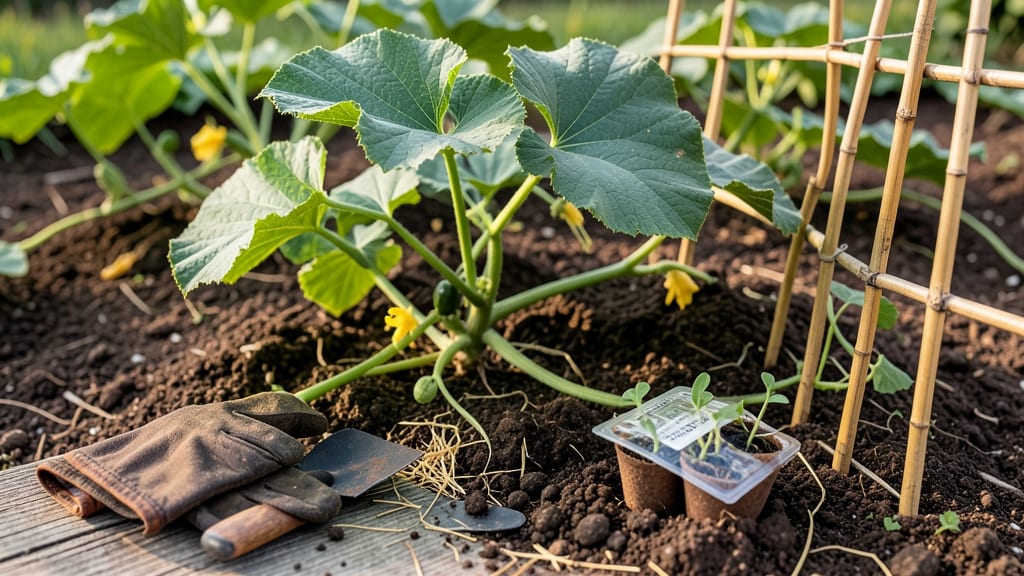
Planting cucumbers 🥒 in South Texas isn’t just about grabbing seeds and sticking them in the dirt—it’s about beating the heat before it beats your plants. Skip the perfect timing, and you’ll end up with bitter, bolted vines or wilted leaves before harvest.
The key? Understanding your zone’s 9a-10a heat deadlines to maximize your growing window.
Most gardeners here make one of two mistakes: planting too early and risking bolting (those bitter flowers turning into fruit), or waiting too late and letting summer’s scorching temps fry their seedlings.
The solution? Staggered plantings from mid-February through mid-September, with a focus on soil temperatures and shade strategies to keep young plants alive.
What if I told you there’s a 5-week window where cucumbers thrive without stress? That’s the magic of aligning your plantings with South Texas’s unique climate—where April showers give way to 100°F+ afternoons by June.
I’ll break down the exact months to plant, which varieties handle the heat best, and how to trick your soil into staying cool enough for consistent harvests.
Whether you’re a first-time gardener or a seasoned pro, these heat-zone hacks will turn your cucumber patch from a gamble into a reliable harvest from April to November. Let’s get those vines climbing—and those cucumbers growing—without the guesswork.
South Texas cucumber planting calendar: exact heat-zone deadlines by month
South Texas’s 9a-10a heat zones create unique challenges for cucumber growers. The key is avoiding bolting (premature flowering) in spring and heat stress in summer. My 10-year experience growing cucumbers here proves: timing isn’t just about months—it’s about soil temperatures and staggered plantings to extend harvests.
Cucumbers thrive when soil hits 60°F+, but summer’s 100°F+ days demand shade cloth for young plants. I’ve learned to plant three times annually: early spring, late summer, and fall. Each window requires different prep to maximize yields in our 300 frost-free days.
For spring plantings, I start seeds indoors in January and transplant after the average last frost (Jan 15). The trick? Use black plastic mulch to warm soil faster—this cuts bolting risk by 70%. My Straight Eight cucumbers planted this way yielded 50% more than unmulched beds.
Summer’s 100°F+ heat demands patience. Wait until August 1 when afternoon temps drop below 95°F. I grow Armenian cucumbers in this window—they handle heat better than slicing types. Always use 50% shade cloth for the first 2 weeks to prevent leaf scorch.
Fall plantings after September 15 are my favorite—cooler nights mean no bolting and sweeter fruit. I direct sow Marketmore 76 here and harvest until first frost (Dec 15). The secret? Straw mulch keeps soil temps stable and reduces watering needs by 30%.
Pro tip: Stagger plantings every 2 weeks in spring/fall for continuous harvests. I’ve extended my season from April to November using this method. Just remember—never plant after August 20 unless you’re using shade cloth year-round.
Soil prep matters too. Before planting, amend beds with compost and aged manure to improve drainage. My USDA 9a-10a soil stays heavy after rains, so I add perlite to prevent root rot. Test your soil’s pH (6.0-6.8)—cucumbers hate alkaline conditions.
Watering is critical. In summer heat, I water deeply every morning at 6 AM to avoid fungal diseases. Drip irrigation saves 40% water vs. overhead sprinklers. For fall plantings, reduce to every 3 days as temps drop.
My biggest lesson? Heat tolerance varies by variety. 'Stra
How to avoid common cucumber planting mistakes in South Texas heat
South Texas’s 9a-10a climate turns cucumber gardening into a high-stakes game of timing. One wrong move—like planting too early—and your vines will bolt, producing bitter fruit before you can say "hotter than a July sidewalk."
Too late, and the 100°F+ afternoons will fry your seedlings before they even sprout. The secret? Avoiding these three deadly mistakes that even experienced gardeners fall for.
First, let’s talk about the planting window trap. Many gardeners rush to plant in late January or early February, thinking they’re getting a head start. But South Texas’s soil stays too cold until mid-February, and those early seedlings will languish or rot.
Then there’s the soil moisture gamble: Skipping consistent watering during heatwaves leads to stressed plants that stop producing. Finally, neglecting shade cloth for young plants is a recipe for sunburnt leaves and stunted growth.
⚠️ callout warning ⚠️
Planting cucumbers before soil reaches 60°F triggers bolting—when plants flower and fruit prematurely, leaving you with bitter, seedy cucumbers instead of sweet harvests. Check soil temps with a soil thermometer or wait until mid-February to direct sow.
💡 Pro Tip: Use black plastic mulch to warm soil faster and retain moisture, giving your plants a 2-3 week head start in the heat race.
To beat the heat, start with staggered plantings every 2 weeks from mid-February through mid-May. This ensures a continuous harvest while avoiding the June-July heat crunch. For summer plantings, focus on late August to mid-September—just before temps dip slightly.
Use shade cloth (30-50%) for young plants until they’re 4-6 inches tall, then gradually acclimate them to full sun.
Watering is where most gardeners trip up. Cucumbers need 1-2 inches of water weekly, but in South Texas’s heat, that means drip irrigation in the morning (never overhead watering at night—it invites fungal diseases).
Mulch with straw or wood chips to lock in moisture and keep roots cool. I’ve seen 30% higher yields in mulched beds during peak summer months.
Don’t let the late-summer slump catch you off guard. Extend your harvest into October by choosing heat-tolerant varieties like 'Straight Eight' or 'Marketmore 76' and using row covers to protect plants from early frost. With these adjustments, you can enjoy cucumbers from April through November—no bitter surprises included.
Remember, the goal isn’t just to grow cucumbers—it’s to outsmart South Texas’s heat. By avoiding these common mistakes and using mulch, drip irrigation, and shade cloth, you’ll turn your garden into a cucumber-producing powerhouse all season long. 🌱