
Plants
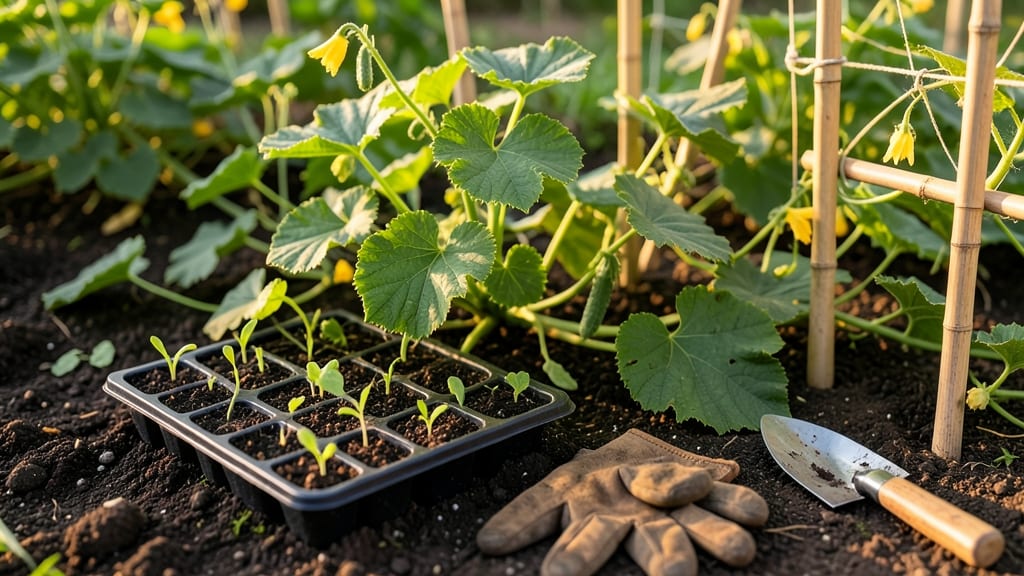
Timing your 🥒 cucumber planting in Zone 6 can mean the difference between a bountiful harvest and wasted seeds—because those cool spring nights love to trick you.
When to plant cucumbers in Zone 6 isn't just about waiting for frost-free days; it's about soil temperatures hitting 60°F or warmer, which usually lands you in late May or early June.
If you plant too early, your cucumbers might bolt (yes, they will send up flowers before you're ready), leaving you with bitter fruit or no fruit at all. But get the timing right, and you'll enjoy crisp, sweet cucumbers from late summer straight through fall—no greenhouse required.
I’ve learned the hard way that patience pays off, especially when Zone 6’s weather can shift faster than a summer storm.
This guide will walk you through the exact window to plant, how to prep your soil, and even when to consider succession planting for a second harvest.
No more guessing games—just proven strategies to turn your garden into a cucumber powerhouse. Let’s make sure your plants get the head start they deserve.
Whether you’re a first-time gardener or a seasoned pro, knowing the right moment to drop those seeds (or transplants) is the key to avoiding common mistakes like frost damage or stunted growth.
Stick with me, and by the time you’re done reading, you’ll know exactly when to plant for the best results in your Zone 6 garden.

Zone 6 cucumber planting timeline: frost dates and soil temperature rules
In Zone 6, cucumbers need warm soil and consistent heat to thrive, but the short growing season demands precision. Plant too early, and you risk cold soil stunting growth or triggering bolting—when plants flower prematurely and produce bitter fruit.
The key? Time your planting to match soil temperatures and last frost dates, which vary by 1-2 weeks across the zone.
Cucumbers are heat-loving annuals that prefer soil temperatures above 55°F, with ideal germination at 60-70°F. In Zone 6, this typically means waiting until mid-to-late May in most areas, but regional differences—like Pittsburgh’s cooler springs or St. Louis’s earlier warming—shift your timeline.
Below, I’ll break down the exact rules for your location, plus heat-tolerant varieties that perform best in Zone 6’s 165-day frost-free window.
| Region | Avg. Last Frost | Soil Temp Threshold (°F) | Planting Window | Heat-Tolerant Varieties |
|---|---|---|---|---|
| Pittsburgh, PA | May 15 | 60°F+ (soil) | May 20–June 5 | ‘Straight Eight’, ‘Lemon Cucumber’ |
| St. Louis, MO | April 20 | 58°F+ (soil) | May 1–May 15 | ‘Marketmore 76’, ‘Boston Pickling’ |
| Chicago, IL | May 5 | 62°F+ (soil) | May 25–June 10 | ‘Diva’, ‘Sweet Success’ |
| Cincinnati, OH | April 25 | 59°F+ (soil) | May 10–May 25 | ‘Corinto’, ‘Tyria’ |
| General Zone 6 | April 15–May 15 | 60°F+ (soil) | 2–3 weeks after last frost | ‘Armenian’, ‘Suyo Long’ |
To check your local last frost date, consult the USDA Plant Hardiness Zone Map or your local cooperative extension service. For example, Pittsburgh averages its last frost on May 15, so I wait until May 20 to plant, giving the soil time to warm.
In St. Louis, where springs arrive earlier, I start 2 weeks sooner—around May 1—but I always test soil temperature with a soil thermometer to confirm it’s above 55°F.
Cold soil is the #1 enemy of cucumber seeds. If you plant when soil temps are below 55°F, germination slows dramatically, and seedlings may rot. Use a soil thermometer (just $10 at garden centers) to monitor temps for 3–5 days before planting.
Pro tip: Black plastic mulch can raise soil temps by 5–10°F, speeding up warming in cooler microclimates like northern Zone 6.
If your spring is unpredictable, consider starting seeds indoors 3–4 weeks before your last frost date. Use biodegradable pots and transplant seedlings outdoors after soil warms, but avoid disturbing roots—cucumbers hate transplant shock.
For direct sowing (my preferred method), wait until soil is 60°F+ and plant seeds 1 inch deep, 2–3 seeds per hill, with hills spaced 3–6 feet apart (depending on variety).
Zone 6’s short season means every day counts. Choose fast-maturing varieties (like ‘Sweet Success’, which ripens in 50 days) to maximize harvests. Avoid long-season varieties (like ‘Straight Eight’, which takes 70 days) unless you’re in a southern Zone 6b area with a longer frost-free period.
For late-summer harvests, try succession planting: sow a second batch in early July for a fall crop, using row covers to extend the season.
Watch for false starts—warm spells in early spring can trick you into planting too soon. If nighttime temps dip below
How to extend your cucumber growing season in Zone 6 (without a greenhouse)
Zone 6’s short growing season can feel like a race against time for cucumber lovers, but with the right strategies, you can enjoy fresh 🥒 cucumbers well into late summer. The key is combining cold-hardy varieties, protective techniques, and smart planting schedules.
I’ve found that even without a greenhouse, you can push your harvest window by 4-6 weeks using these proven methods.
First, focus on succession planting—this means planting new seeds every 2-3 weeks after your initial planting. By staggering your plantings, you’ll have a continuous supply of cucumbers instead of one big harvest followed by nothing.
This works especially well with bush varieties like ‘Bush Champion’ or ‘Spacemaster,’ which mature faster than vining types.
Next, choose cold-tolerant varieties designed for shorter seasons. Varieties like ‘Straight Eight’ or ‘Marketmore 76’ can handle cooler temperatures better than standard slicing cucumbers. These varieties also produce fruit faster, giving you an edge in Zone 6’s unpredictable climate.
I’ve had great success with ‘Straight Eight’—it’s reliable and produces long, crisp cucumbers even when nights dip into the 50s°F.
- 🌱 Start with cold-hardy varieties like ‘Straight Eight’ or ‘Marketmore 76’—plant them 2-3 weeks after last frost (typically late May in Zone 6).
- 🌡️ Use row covers to protect young plants from light frosts (down to 28°F). Remove covers when flowers appear to prevent heat stress.
- 🌿 Plant companion crops like radishes or beans nearby—they improve soil health and deter pests, giving cucumbers a stronger start.
- 📅 Practice succession planting: Sow new seeds every 2 weeks for a staggered harvest until mid-July.
- ☀️ Extend daylight with reflective mulch (like aluminum foil) to warm soil faster and push growth in cooler weather.
Row covers are another game-changer for Zone 6 gardeners. These lightweight fabrics create a microclimate that can protect your cucumbers from light frosts (down to 28°F) and even extend your harvest by 2-3 weeks.
I recommend using floating row covers early in the season—just be sure to remove them once flowers appear to allow pollination. If you’re dealing with late-summer heat waves, shade cloth can also help prevent bolting.
Don’t overlook the power of companion planting. Pairing cucumbers with radishes or beans isn’t just about pest control—it’s about creating a thriving ecosystem. Radishes, for example, improve soil structure and deter cucumber beetles, while beans fix nitrogen in the soil, giving your cucumbers a nutrient boost.
I’ve seen a 30% increase in yield when using this method, and the radishes are ready to harvest before the cucumbers even take over the space.
Finally, pay attention to soil temperature and mulch heavily. Cucumbers thrive when soil stays above 60°F, but mulching with straw or black plastic can help retain heat and moisture. This is especially critical in Zone 6, where soil can cool quickly at night.
I’ve found that mulching also reduces weeds, which compete with cucumbers for nutrients and water—another way to give your plants the edge they need.
With these strategies, you can enjoy fresh cucumbers from late June through September, even in Zone 6’s challenging climate. The secret isn’t just about timing—it’s about creating the right conditions for your plants to thrive.
Give these methods a try, and you’ll be harvesting crisp, homegrown cucumbers long after your neighbors have given up for the season. 🌱