
Plants
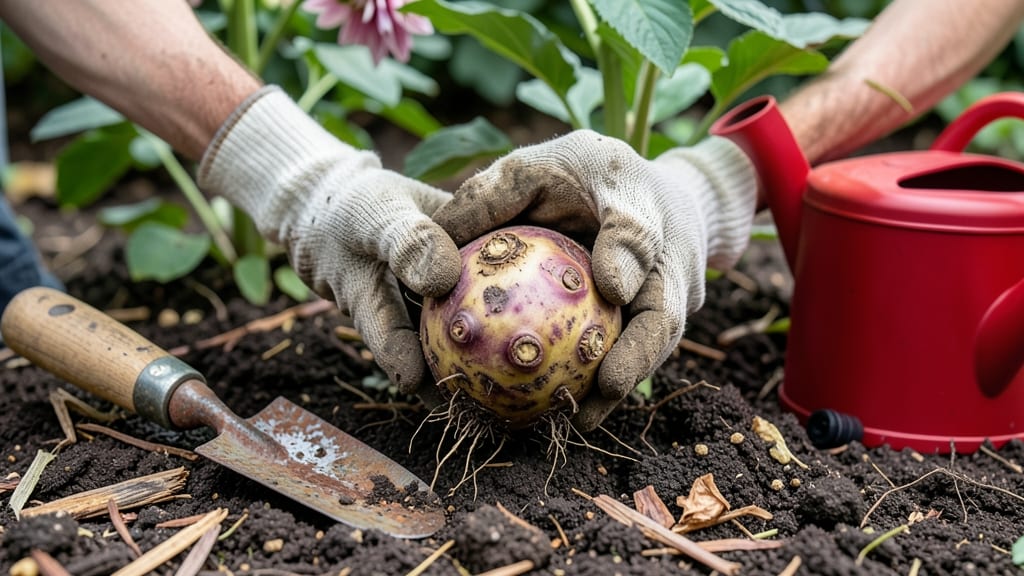
When to plant dahlia bulbs in Oregon means the difference between a showstopping summer garden and a sad, frost-nipped disappointment. Plant too early, and those tender tubers could get zapped by late-season chills—especially in zones 7b-9a where coastal breezes linger longer. But wait too long, and you’ll miss out on weeks of vibrant blooms before the first frost arrives.
Most Oregon gardeners know the general rule—wait until after the last frost—but the devil’s in the details. Inland areas like Portland might be ready by mid-April, while coastal spots near Astoria often need to hold off until early May.
The key? Soil temperature matters more than calendar dates—aim for 60°F+ to kickstart those dahlias without risking cold damage.
I’ve learned the hard way that rushing the process can backfire, but so can playing it too safe. The sweet spot? Planting in late April to early May gives your dahlias enough time to establish roots before summer’s heat peaks.
Plus, a little preparation—like warming the soil with black plastic or choosing early-blooming varieties—can shave days off your wait time.
Whether you’re a first-time gardener or a seasoned pro, getting this right means more blooms, less stress, and a garden that steals the show from July through October. Let’s break down exactly how to nail those deadlines—without guessing.
Oregon’s best planting windows for dahlias by USDA Zone
Timing is everything when planting dahlia tubers in Oregon, where USDA Zones 6-8 experience wildly different frost patterns. Coastal areas like Astoria (Zone 8) may see frost-free soil by March 20, while inland Bend (Zone 7) often waits until May 5.
The key? Soil temperature—dahlias need 50°F+ to sprout reliably.
Use Oregon State University’s Frost Freeze Forecast or the National Weather Service to track your local last frost date.
For Portland (Zone 8), aim for April 20, but if your microclimate sits in a frost pocket, push planting to May 1. Coastal gardeners can start 2-3 weeks earlier than inland areas.
Here’s your zone-by-zone planting window for Oregon dahlias, including soil temp thresholds and frost-free deadlines:
For precision planting, use a soil thermometer—dahlias won’t sprout until soil hits 50°F for 3+ days.
In Zone 7 valleys, I’ve seen tubers rot if planted too early, even if frost isn’t forecasted. Pro tip: Plant dwarf varieties first (like ‘Mignon’ series) for earlier blooms, then add taller types (e.g., ‘Café au Lait’) 2 weeks later.
Oregon’s coastal wind can delay warming—if your garden feels colder than expected, wait until May 1 even in Zone 8.
Check local weather stations like NOAA’s Portland Climate or Oregon State AgWeatherNet for real-time soil data. Microclimates matter: A south-facing slope in Bend may be 10°F warmer than a north-facing yard.
If you’re starting dahlias indoors (e.g., for Easter blooms), begin tubers in pots by February 15 under grow lights.
Transplant outdoors after your last frost date, but harden off plants for 7–10 days first. Hardneck varieties (like ‘Bishop’ or ‘Thomas Edison’) handle cooler soil better than fancy-leaf types.
For extended blooms, stagger planting: Put 20% of tubers in early April (if
Pro tips to extend Oregon’s dahlia season without risking frost
Extending your dahlia season in Oregon requires balancing frost protection with early blooms. The key is using season-extending tools like cold frames and row covers while strategically timing your plantings.
I’ve found that staggered plantings—spreading out your dahlias in two-week intervals—gives you blooms from July through October without overcrowding.
Another trick I swear by is warming the soil before planting. Lay down black plastic mulch 2-3 weeks before your target date to raise soil temps to 60°F+. This jumpstarts growth and gives you a 2-3 week head start on neighbors who wait for perfect conditions.
Just remember to remove the plastic right before planting to avoid overheating the tubers.
For gardeners in coastal Oregon, where frosts linger later, row covers are a game-changer. Lightweight fabric lets sunlight through while shielding plants from 30°F+ chills. I’ve used them to extend my season by 3-4 weeks, especially for late-planted varieties.
Pair this with thick mulch (straw or shredded leaves) to insulate roots—this combo keeps dahlias blooming well into October.
Early vs. Late Dahlia Planting in Oregon
| Factor | Early Planting (Mid-April) | Late Planting (Early May) |
|---|---|---|
| Bloom Time | Shorter season (July-August) | Longer season (July-October) |
| Frost Risk | Higher (especially coastal) | Lower (soil warmed) |
| Plant Size | Smaller (less time to grow) | Taller (fuller blooms) |
| Best For | Early color, cut flowers | Season-long displays |
| Protection Needed | Cold frames, row covers | Mulch, shade cloth |
✅ Pro Tip: For maximum blooms, plant half your tubers early (with protection) and half late (after soil warms). This gives you non-stop color from July to frost.
Don’t overlook dwarf varieties like ‘Café au Lait’ or ‘Bishop’—they bloom earlier and handle cooler temps better than giant varieties. I’ve planted these in cooler microclimates (like near ponds or shaded areas) and still gotten 6-8 weeks of blooms before frost.
Pair them with tall varieties for a layered effect that extends your season visually.
If you’re willing to go the extra mile, cold frames can add 4-6 weeks to your season. I built a simple one using Plexiglas and cinder blocks—it’s not fancy, but it keeps temps 10°F warmer than outside.
Plant dahlias inside in early April, then move them outdoors after Memorial Day. The trade-off? You’ll need to water carefully to avoid overheating.
Finally, deadheading spent blooms is non-negotiable for a long season. I make it a habit to snip off faded flowers every 2-3 days—this redirects energy to new buds and keeps dahlias producing until frost.
Combine this with regular feeding (every 4-6 weeks) and you’ll have dahlias blooming well into October, even in Oregon’s chillier zones.