
Plants
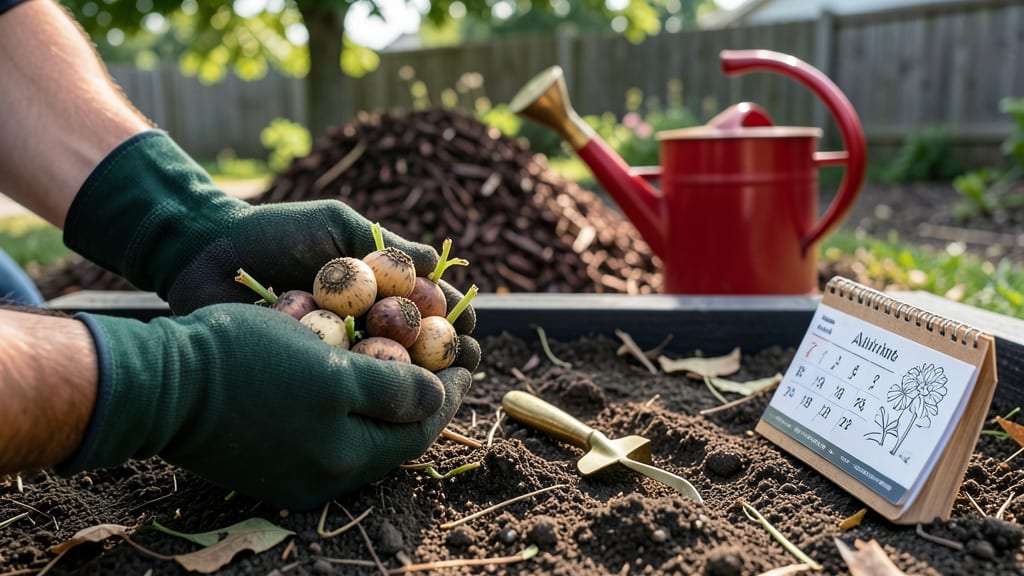
Timing your dahlia planting in Alabama can mean the difference between a garden bursting with vibrant 🌸 blooms and tubers wasted to frost—so getting it right is everything.
With Alabama’s 7b-8a climate, your best window opens in April or May, but the real secret is waiting until the soil hits 60°F and the last frost threat has passed. Skip this step, and you risk stunted growth or worse.
I’ve learned the hard way that rushing planting leads to weak stems and fewer flowers. The key is patience—wait for those warm days when the earth is ready, and your dahlias will reward you with months of color from July through October.
Let’s break down exactly how to time it perfectly, plus pro tips to extend your season and avoid common Alabama gardening pitfalls.
Alabama’s ideal dahlia planting window: months and climate triggers
Timing your dahlia planting in Alabama isn’t just about avoiding frost—it’s about soil warmth and humidity balance. Dahlias thrive when soil temperatures hit 60°F or warmer, which typically occurs in late April to early May across most of the state.
Planting too early risks tuber rot from lingering cool, wet soil, while waiting too long cuts your bloom season short.
Alabama’s USDA Zones 7b-8a offer a 210-day frost-free window, but microclimates vary. Coastal areas like Mobile may see earlier planting (mid-April), while inland regions like Birmingham should wait until mid-May for safer results.
Always check your local last frost date—Alabama’s average ranges from March 15 (south) to April 15 (north).
Here’s the critical planting window broken down by climate triggers:
| Trigger | Alabama Timeline | Action | Risk if Ignored |
|---|---|---|---|
| Soil Temperature | 60°F+ (late April–early May) | Plant tubers 4–6" deep | Tuber rot from cold soil |
| Last Frost Date | March 15 (south)–April 15 (north) | Wait 2 weeks post-frost | Frost damage to emerging shoots |
| Humidity Levels | High (spring rains peak) | Improve drainage with compost | Waterlogged soil and fungal diseases |
| Daylength | 14+ hours (late May) | Start pre-sprouting tubers indoors | Slower growth and delayed blooms |
For maximum bloom potential, aim to plant dahlias by mid-May. This gives tubers 90–120 days to establish roots before Alabama’s first frost (average November 15). Early blooms may appear by July, but peak flowering occurs in September and October when days grow shorter.
Use a soil thermometer to confirm readiness—dahlias won’t thrive until soil stays above 60°F for 5+ days. In clay-heavy Alabama soil, mix in compost or sand to improve drainage.
If your area experiences late spring rains, hold off planting until the ground dries slightly to prevent tuber rot.
Pro tip: Pre-sprout tubers indoors 4–6 weeks before planting. Place them in a bright, warm spot (70°F) and watch for 2-inch sprouts. This head start ensures faster establishment and earlier blooms once outdoors. Just avoid letting sprouts exceed 4 inches before transplanting—long stems break easily.
Alabama’s humid climate demands extra care. After planting, apply a 2-inch mulch layer of pine straw or shredded leaves to retain moisture and suppress weeds.
Water deeply 2–3 times per week during dry spells, focusing on the root zone rather than foliage to prevent fungal diseases like powdery mildew, which thrives in Alabama’s heat and humidity.
Monitor your local weather forecasts for unexpected cold snaps, especially in northern Alabama. If nighttime temps dip below 50°F, cover young plants with frost blankets or row covers. Dahlias are tender perennials—they won’t survive freezing, so plan to dig and store tubers before winter.
By aligning your planting with Alabama’s climate triggers, you’ll enjoy vibrant dahlias from summer through fall. The key is patience—wait for warm soil and stable weather, and your tubers will reward you with bold blooms that steal the show in any garden. 🌸
How to extend your Alabama dahlia season with smart timing
Alabama’s humid climate and variable frost dates mean you can’t just follow a calendar—you need to read your soil and sky. I’ve learned to push my dahlia season later than most gardeners by using frost protection and microclimate adjustments, especially in coastal vs. inland areas.
The key? Planting tubers when the soil hits 60°F and using row covers for those late-May surprises.
For coastal Alabama, where winters are milder, you can sometimes plant as early as late March if you’re willing to protect young shoots. But inland areas near Birmingham or Huntsville should wait until mid-April to avoid frost damage.
The difference in timing can mean the difference between 6 weeks of blooms and 12 weeks of continuous color.
🌱 5 Smart Timing Strategies for Alabama Dahlias
- Wait for 60°F soil – Use a soil thermometer to confirm warmth before planting tubers. Cold soil = stunted growth.
- Push late spring planting – Plant May 1-15 with row covers for frost protection. Coastal areas can start 2 weeks earlier.
- Overwinter tubers indoors – Store tubers in pearlite at 40-50°F and replant early April for earlier blooms.
- Adjust for microclimates – Coastal gardens (e.g., Mobile) can plant 3 weeks earlier than inland (e.g., Tuscaloosa).
- Use cold frames – Extend the season by 2-3 weeks with protective covers during unpredictable spring frosts.
My go-to trick for extending the season is overwintering tubers in a cool, dark basement. I store them in dry perlite and check for sprouts by mid-March. By planting these early April, I get blooms 4-6 weeks ahead of gardeners who plant from seed or unsprouted tubers.
It’s extra work, but the payoff is months of extra color.
Don’t forget to harden off overwintered tubers before planting. I move them outdoors for 1-2 weeks in partial shade to acclimate, then plant them when nighttime temps stay above 50°F. This transitional phase prevents shock and gives your dahlias a stronger start.
For late-season extension, I’ve had success with low tunnels or mini greenhouses over established plants. These create a microclimate that can push blooming into early November in milder coastal areas. Just remove the cover during the day to prevent overheating and fungal issues.
Remember, Alabama’s frost dates vary wildly—some years you’ll get a March freeze, others a November surprise. The secret is flexibility: monitor your local Alabama Cooperative Extension frost forecasts and adjust your timing accordingly.
With these strategies, you’ll turn your garden into a year-round dahlia show, not just a summer flash.