
Plants
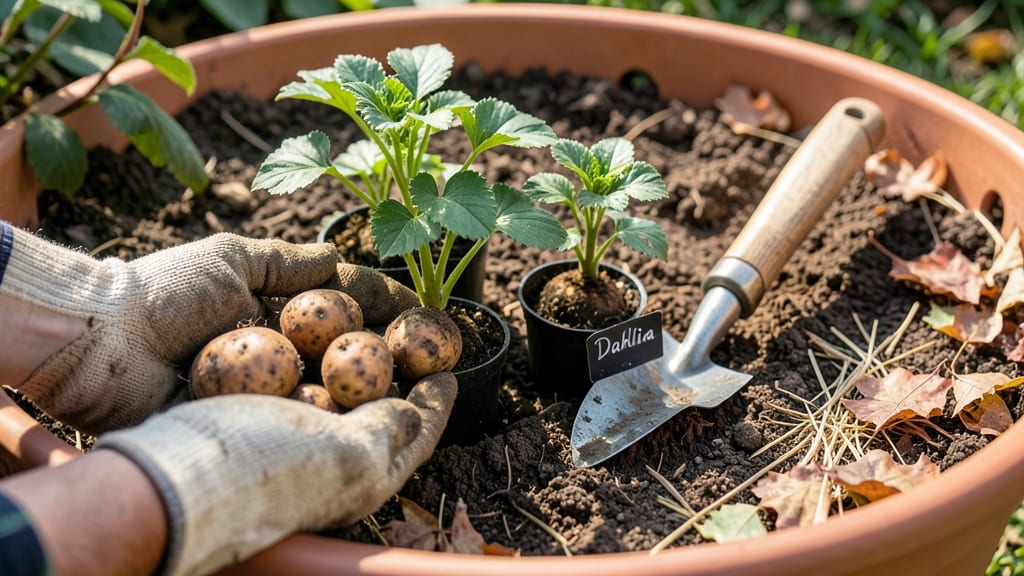
Planting dahlias in Georgia at the wrong time can mean the difference between a garden bursting with 🌸 vibrant blooms and tubers rotting in the cold soil.
The ideal window isn't just "spring"—it's a precise 3-week stretch after your county's last frost, and missing it could cost you months of color.
Here's the catch: Georgia's heat zones (from 5A in the mountains to 8B along the coast) create wildly different planting schedules. What works in Zone 7B Atlanta (after April 15) would fry tubers in Zone 5A Blue Ridge if attempted too early.
I'll break down exactly when to plant in your specific area—and how to stretch that blooming season by 2 months using simple tricks most gardeners overlook.
You'll also discover why soil temperature matters more than calendar dates, how to tell when your dahlias are truly ready to thrive, and the one mulching technique that keeps roots happy through Georgia's brutal summer heat. Let's get those tubers in the ground at the perfect moment for maximum impact.
Whether you're a first-time gardener or a veteran with wilting dahlias from past mistakes, this guide gives you the exact timeline your Georgia garden needs. No more guessing—just stunning, frost-free blooms from July through October.
Georgia’s frost-free dahlias planting calendar by heat zone (5A–8B)
Georgia’s diverse climate means your dahlia planting window can shift by weeks depending on whether you’re in the cool mountain valleys of Zone 5A or the humid coastal plains of Zone 8B. Planting too early risks frost damage to tender tubers, while waiting too long cuts your summer bloom season short.
The key is timing your dahlias for soil temperatures above 60°F—when roots can establish before Georgia’s brutal summer heat arrives.
I’ve broken down the optimal planting dates by region, using USDA heat zones and average last frost dates from the Georgia Climate Project.
Whether you’re in North Georgia’s chilly valleys or South Georgia’s subtropical edge, this calendar ensures your dahlias thrive from July through October—just in time for peak garden color.
Pro Tip: Use a soil thermometer to confirm temperatures hit 65°F+ before planting. Cold soil slows root growth and invites rot—especially in Georgia’s clay-heavy soils.
For Zone 5A–6A gardeners in North Georgia, I recommend starting tubers indoors in early March to give them a head start. Use grow lights if natural light is limited—these areas often see late frosts until mid-April.
Once soil hits 65°F, transplant outdoors with a cloche or row cover for extra protection.
In the Piedmont (Zones 6B–7A), where cities like Atlanta experience microclimates, aim for April 15–May 5. This window balances frost risk with soil warmth.
Test your soil with a thermometer—if it’s below 60°F, wait another week. Clay soils here can stay cold longer, so amend with compost to improve drainage.
South Georgia’s (7B–8B) warmer climate lets you plant as early as late February, but don’t rush—humidity and fungal diseases thrive in wet soil. Wait until soil temps exceed 55°F and choose disease-resistant varieties like ‘Café au Lait’ or ‘Bishop.’ These areas can enjoy year-round blooms with proper fall care.
Regardless of zone, avoid planting after May 15. Dahlias need 6–8 weeks to establish roots before Georgia’s summer heat peaks. Late plantings often struggle with bolt stress (rapid stem growth) and produce fewer blooms.
For extended seasons, try fall planting in Zones 7B–8B—tubers planted in October can bloom into December!
One final tip: Pre-soak tubers for 24 hours before planting to jumpstart growth. In Georgia’s sandy soils (common in South GA), add organic matter like coconut coir to retain moisture. For clay-heavy soils (North/Piedmont), mix in perlite or vermiculite to prevent waterlogging.
Now grab your dahlia tubers, check your zone, and mark those planting dates on your calendar. With this timing, you’ll have vibrant blooms from July through October—just in time for Georgia’s most stunning garden moments! 🌸
5 Critical signs your Georgia soil is ready for dahlias (avoid these mistakes)
Dahlias won’t tolerate cold soil—tubers rot below 50°F, and even 60°F soil stunts growth. In Georgia, this means waiting until after April 15 in most zones, but soil temperature varies wildly.
I’ve seen Zone 7B Atlanta soil hit 70°F by early April while Zone 5A Blue Ridge lingers at 55°F into May. The key? Test your soil’s readiness with these 5 non-negotiable checks before planting.
First, check soil warmth using a soil thermometer—dahlias need roots in 70°F+ soil to thrive. Stick it 6 inches deep (where tubers will sit) and wait until readings stay above 70°F for 3 consecutive days.
In South Georgia (Zones 7B–8B), this often means planting by April 1, while North Georgia (Zones 5A–6A) may need to wait until May 15. Pro tip: Dark plastic mulch raises soil temps by 5–10°F in just days.
⚠️ callout warning ⚠️
I’ve seen gardeners in Atlanta (Zone 7B) lose entire dahlia tubers by planting in March—even after frost dates. Cold soil + tubers = rot. Use this rule: If your hands hesitate to touch the soil for 5 seconds, it’s not warm enough. For Zone 5A–6A, wait until May 1 or use black plastic mulch 2 weeks before planting to warm soil faster.
Fix: Test soil temp daily after March 15. If below 65°F, delay planting or use row covers.
Next, assess moisture—dahlias hate soggy soil but need consistent dampness. After a 1-inch rain, dig down 6 inches and squeeze the soil. If it forms a loose ball that crumbles, it’s ideal.
If it stays clumped, your soil is too wet (common in Atlanta’s clay or North Georgia’s rocky loamcompost or perlite to improve drainage. In South Georgia’s sandy soil, add peat moss to retain moisture.
Drainage is the silent killer of dahlias. After watering, check if water pools around your planting hole. If it doesn’t drain within 30 minutes, your soil is too dense. In clay-heavy Atlanta, mix in 2 inches of coarse sand or gravel at the bottom of the hole.
For rocky North Georgia soil, create raised beds with 50% compost and 50% native soil. Pro move: Plant on a slight mound to encourage runoff.
Finally, test pH—dahlias prefer 6.5–7.0. Grab a $10 soil test kit (or send a sample to UGA Extension) and adjust if needed. Atlanta’s clay often tests acidic (below 6.0), which stunts growth.
Add lime if pH is below 6.5; for alkaline soil (above 7.0), mix in sulfur. Wait 2–4 weeks after amending before planting to let pH stabilize.
Once your soil passes all 5 checks—70°F+, loose moisture, fast drainage, proper pH, and no rocks—your dahlias are ready. Plant tubers 4–6 inches deep, water deeply, and mulch with 3 inches of straw to lock in warmth.
Now you’re set for months of blooms—no more wasted tubers! 🌸