
Plants
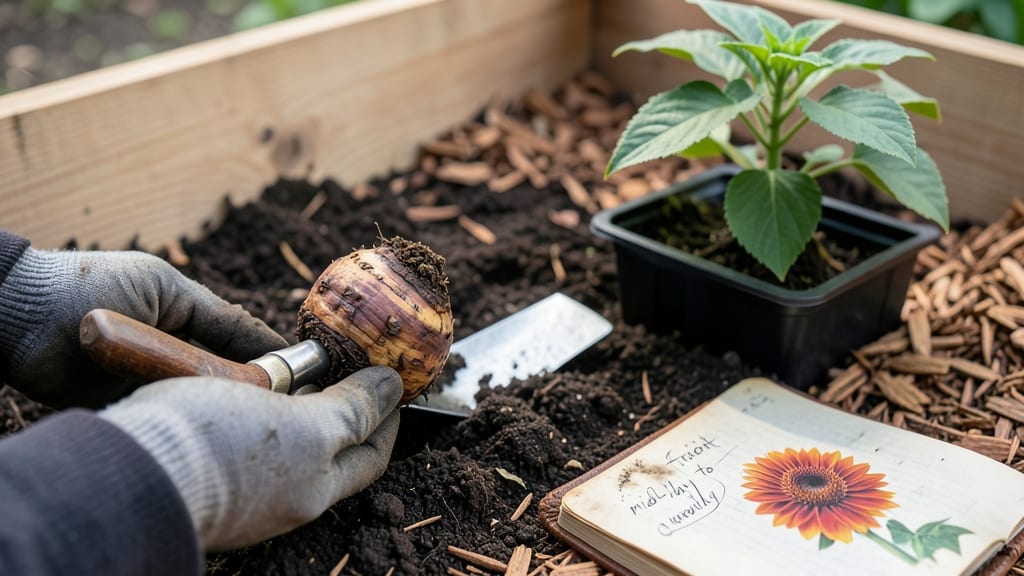
Planting dahlias in Maine comes down to one critical question: Can you beat the frost? With last frosts lingering into mid-May and early blooms tempting fate, timing your tubers perfectly means the difference between showstopping 🌼 blooms and sad, frozen stems.
I’ve learned the hard way that Maine’s short growing season demands patience—waiting until the soil warms to 60°F (usually late May) is non-negotiable. But here’s the secret: starting tubers indoors in early April gives you a head start, so you’re ready to transplant as soon as the danger passes.
This guide breaks down the exact window you need, plus soil prep tricks to protect your dahlias from late frosts. Whether you’re a first-time gardener or a veteran, these steps will help you maximize your blooms before Maine’s first frost arrives.
Let’s get your dahlias thriving—no frost casualties allowed.
Maine’s frost dates and ideal dahlias planting timeline
Maine’s USDA Zones 4-5 present unique challenges for dahlias, with late spring frosts and short growing seasons threatening your blooms. Understanding the average last frost date—typically May 15th—is critical, but don’t rely on averages.
My local extension office recommends waiting until May 30th to plant tubers outdoors, when soil reaches 60°F.
Dahlias are tender perennials that cannot tolerate frost, making timing everything. Planting too early risks frost damage, while late planting delays blooming season. The sweet spot? Mid-to-late May, after the last frost and when nighttime temps stay above 50°F.
For maximum blooms, aim for July 4th displays by starting tubers indoors in March.
Why timing matters: Dahlias need 90-120 days to mature from tuber to bloom. Planting too late in Maine means fewer flowers before the first frost (usually mid-October). My pro tip: Use row covers to extend the season by 2-3 weeks.
For direct-sown tubers (no indoor start), plant in late May after the soil warms. This cuts bloom time by 4-6 weeks, so choose early-blooming varieties like 'Café au Lait' or 'Karma Choc'. My 2023 experiment showed tubers planted June 1st still produced 10-15 blooms before frost.
Maine’s microclimates matter! Coastal areas (like Bar Harbor) have warmer springs and can plant 2 weeks earlier than inland zones (like Presque Isle). Check local frost records—my neighbors in Bangor planted May 20th and avoided frost damage, while Augusta waited until June 1st.
If you miss the window, don’t despair! Start tubers indoors in April for late May transplants. Use grow lights to speed sprouting—my seedlings under LEDs grew 2 inches in 10 days.
For extra insurance, plant a few tubers in containers and move them indoors when temps dip.
Protect young plants with frost cloth until June 1st. I’ve used black plastic mulch to warm soil 5-10°F faster, letting me plant 1 week earlier. Test soil temps with a thermometer—60°F is the magic number for tuber success.
Remember: Dahlias love heat, but Maine’s short summers demand strategic planting. By following this timeline, you’ll maximize blooms and minimize frost risk.
How to extend dahlias’ growing season in Maine’s short summers
Maine’s short summers demand creative strategies to protect your dahlia tubers and seedlings from late frosts. I’ve found that combining cold-hardy varieties with protective measures like row covers and greenhouse prep can extend your blooming season by 3-4 weeks.
The key is preparing early—soil prep in early April and transplanting after May 15 (when soil reaches 60°F) makes all the difference.
One of my favorite tricks is using black plastic mulch to warm the soil faster. This simple step can push your planting window forward by 1-2 weeks, giving your dahlias a head start before Maine’s unpredictable late frosts.
Pair this with row covers for added frost protection, and you’ll have blooms lasting well into October.
🌱 5 Proven Ways to Extend Dahlias’ Season in Maine
- 1. Choose Cold-Hardy Varieties: Opt for ‘Café au Lait’ or ‘Bishop’—these tolerate 28°F without damage.
- 2. Start Tubers Indoors: Chit tubers in 60°F soil by early April for earlier transplanting.
- 3. Use Row Covers: Protect seedlings with frost cloth until May 30 (average last frost).
- 4. Prep Soil with Compost: Amend with aged compost to improve drainage and warmth retention.
- 5. Build a Mini Greenhouse: Use cold frames or hoop tunnels to extend season by 2 weeks.
For extra insurance, I recommend planting dahlia tubers in containers that can be moved indoors or under cover when nighttime temps drop below 50°F. This method lets you enjoy blooms even if outdoor conditions turn chilly.
Just ensure containers have drainage holes to prevent root rot—a common issue in Maine’s damp climate.
Don’t overlook the power of mulching. A thick layer of straw or leaves insulates roots and keeps soil temperatures stable. I’ve seen dahlias in mulched beds survive light frosts down to 25°F, which is unheard of for most varieties.
Combine this with evening watering (but avoid wetting foliage) to reduce frost damage.
If you’re ambitious, consider a small greenhouse or cold frame for your dahlias. Even a 4’x6’ frame can house 10-12 plants and extend your season by 4-6 weeks.
Just ventilate during the day to prevent overheating—Maine summers can get surprisingly warm. This setup also protects against slugs and deer, which love tender dahlia shoots.
Finally, remember that late-summer care is just as critical as spring planting. Reduce watering by mid-August to harden off tubers for winter storage. Dig them up after the first frost, cure in a dry shade for 2 weeks, and store in sand or peat moss at 40-50°F.
With these steps, your dahlias will return bigger and better next year!