
Plants
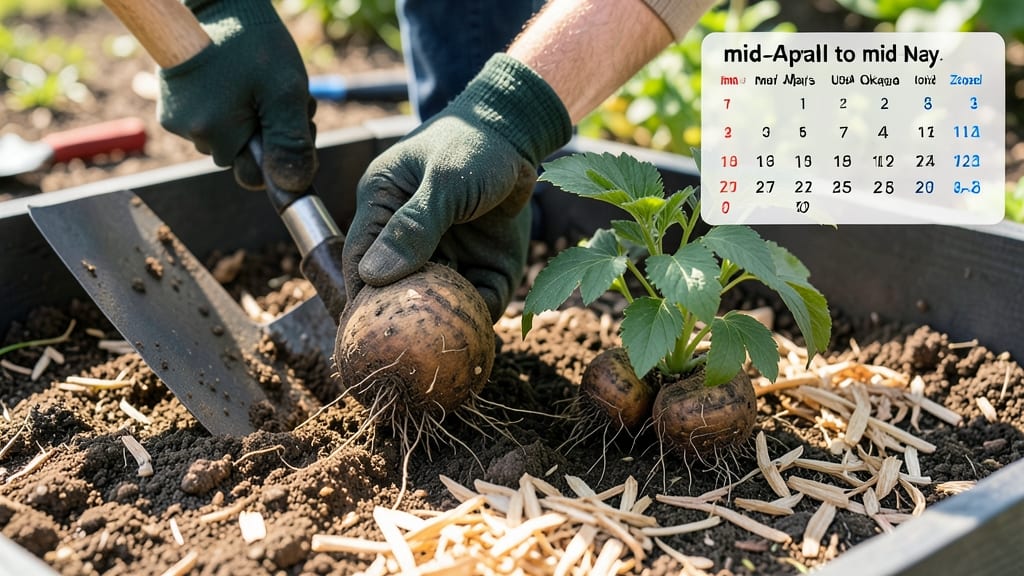
Planting dahlias in Oklahoma isn’t just about throwing tubers in the ground—it’s about timing them perfectly to avoid frost and maximize those stunning 🌼 blooms all summer long. With USDA Zones 6b-7a and unpredictable spring weather, getting the window right means the difference between a thriving garden and wasted tubers.
Most gardeners in Oklahoma wait until April 15–May 31, but that’s just the starting point. The real secret? Planting 2 weeks before your last frost date—typically around mid-April for most of the state.
This gives those tender tubers time to root before temperatures climb, ensuring your dahlias burst into color by July.
If you’re in the 6b zone (like northern Oklahoma), you’ll need to adjust for colder microclimates, while 7a gardeners can push planting slightly later.
I’ll walk you through how to read your local frost data, prep tubers like a pro, and even handle urban heat islands that can throw off your schedule.
Ready to transform your garden? Let’s dive into the exact steps to time your dahlias perfectly—so you’re not left scrambling when the first frost warning hits.
Oklahoma’s last frost dates and ideal dahlia planting windows
Oklahoma’s USDA Zones 6b–7a create a unique challenge for dahlia growers—frost dates vary wildly between the Panhandle (Zone 6b) and Southeast (Zone 7a). In the northwest, late frosts can linger until April 15–20, while southeastern Oklahoma often sees its last frost by March 20–30.
This 2-week difference means your planting window shifts dramatically depending on where you live.
For dahlias, which hate frost, timing is critical. You’ll want to plant tubers 2 weeks before your average last frost date to give roots time to establish. In Zone 7a, that means planting by April 1–15, while Zone 6b gardeners should wait until April 15–30.
Miss this window, and your tender tubers risk frost damage before they’re ready to bloom.
Here’s the golden rule: Soil must reach 60°F before planting. Use a soil thermometer to check—cold soil slows root growth, and dahlias won’t thrive. In Oklahoma, this typically aligns with late April to early May for most regions, but microclimates can shift this by weeks.
🌼
Microclimates throw another wrench into the mix. Urban areas like Oklahoma City experience the heat island effect, where pavement and buildings warm soil faster—plant 1–2 weeks earlier in these zones.
Conversely, rural areas or elevated spots (like the Wichita Mountains) stay colder longer, so delay planting by 10–14 days.
To calculate your personal planting window, track local frost data for 3–5 years (check NOAA’s climate maps or your local Cooperative Extension).
If your area averages a last frost on April 10, plant dahlias by March 25 to give roots 2 weeks to establish before frost risk fades.
Pro tip: Container gardeners have flexibility—move pots to warmer microclimates (like south-facing patios) to extend the season. Just ensure containers have drainage holes and use heat-retaining fabric around the base to warm soil faster.
If you’re chitting tubers indoors (sprouting them in pots before transplanting), start 6–8 weeks before your last frost date. This gives you a head start and ensures your dahlias bloom earlier—critical for Oklahoma’s short growing season. Just harden off seedlings for 1 week before planting outdoors.
Finally, monitor weather forecasts in late April. A late frost warning? Cover young plants with frost cloth or move containers to sheltered spots. Dahlias are frost-sensitive, but with the right timing, you’ll enjoy <
Preparing dahlia tubers for Oklahoma’s spring planting: step-by-step guide
Oklahoma’s spring soil can be a temperature rollercoaster, making tuber preparation critical for dahlia success. Cold soil slows root growth, while early planting risks frost damage—both common mistakes here.
The key? Preconditioning tubers 2–4 weeks before your last frost date to ensure they’re ready for Oklahoma’s 60°F minimum soil temps.
Start by inspecting your dormant tubers for soft spots or mold, which signal rot. Discard any damaged sections immediately, as infected tubers can ruin your entire batch. Healthy tubers should feel firm and papery—like a dried onion skin—with eyes (growth points) visible but still dormant.
Store them in a cool, dry place (50–60°F) until you’re ready to prep.
Next, break dormancy with chitting, a process that jumpstarts root growth before transplanting. Place tubers in a shallow tray with the eyes facing up, then cover with 2–3 inches of moist potting mix.
Keep them in a bright, warm spot (65–70°F) for 2–3 weeks. You’ll see tiny roots and green shoots emerge—this means they’re ready for the garden!
🌱 Step-by-Step: Prepping Dahlias for Oklahoma Soil
- Inspect tubers: Trim rotten areas with sterilized pruners; discard moldy tubers.
- Chit indoors: Place in moist potting mix, eyes up, for 2–3 weeks at 65–70°F.
- Warm soil: Use black plastic mulch 1 week before planting to raise soil temps to 60°F.
- Hardening off: Move chitted tubers to shade outdoors for 3–5 days before transplanting.
- Plant deeply: Bury tubers 4–6 inches deep in well-draining soil, spacing 12–24 inches apart.
Oklahoma’s soil warming tricks are a game-changer, especially in USDA Zone 7a areas where late frosts linger. Lay black plastic mulch over garden beds 1 week before planting to raise soil temps by 10–15°F.
Avoid early planting in cold soil, which stunts roots—wait until your soil thermometer reads 60°F consistently for 3–5 days.
Before transplanting, harden off your chitted tubers to prevent shock. Move them to a shady outdoor spot for 3–5 days, gradually increasing sun exposure. This mimics Oklahoma’s variable spring weather and helps tubers adjust to direct sunlight and wind.
Plant them 4–6 inches deep in loamy, well-draining soil amended with compost for best results.
After planting, water deeply to settle soil around tubers, then maintain 1–2 inches of mulch to retain moisture and regulate temps. Monitor for early signs of stress, like yellowing leaves—this often signals root rot from overwatering or cold soil.
With these steps, your dahlias will burst into bloom by mid-summer, just in time for Oklahoma’s humid heat! 🌼