
Plants
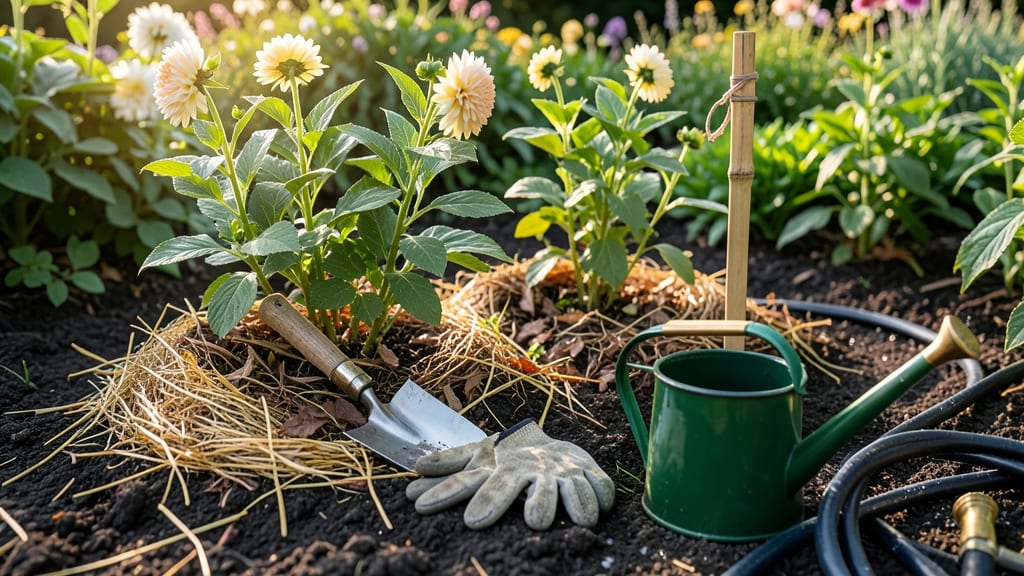
Planting dahlias in Vermont isn't just about waiting for the calendar to say "May"—it's about catching that sweet spot when the soil warms up to 60°F or higher, signaling the perfect time for these stunning 🌼 blooms to thrive.
If you've ever rushed to plant your dahlias only to watch them wilt from a surprise frost, you know timing is everything. Vermont's USDA Zone 4b-6a climate means you can't rely on a one-size-fits-all approach—soil temperature is your real guide, not just the date on your calendar.
I'll show you exactly how to read your soil's temperature cues, adjust for Vermont's microclimates, and even extend your dahlias' season with simple tricks. No more guessing games—just vibrant blooms from July through October.
Ready to transform your garden into a dahlia paradise? Let's dive into the science and strategies that will make this your most successful planting season yet.
Vermont’s ideal dahlias planting timeline based on soil temperature
Vermont’s cool, variable climate demands precision when planting dahlias. These stunning flowers need soil temperatures between 55-60°F to thrive, a threshold Vermont typically hits 4-6 weeks after last frost.
In Chittenden County (Burlington area), this often means late May, while Windham County (Brattleboro) may wait until early June due to cooler microclimates.
Historical frost data shows Vermont’s last spring frost averages May 15 in most regions, but soil warmth lags behind air temperature. Using a soil thermometer is your best tool—dahlias planted in 50°F soil risk rot, while 65°F+ soil can stress tubers.
This 15°F window is why timing matters more than calendar dates.
Dahlia tubers are frost-sensitive, but young shoots can handle light frosts once emerged. The key is planting after all danger of frost but before mid-June, when Vermont’s short growing season starts counting down. In USDA Zone 4b (northern VT), aim for June 1; in Zone 5a (southern VT), May 20 works better.
| Region | Avg Last Frost | Ideal Planting Window | Soil Temp Threshold | Microclimate Notes |
|---|---|---|---|---|
| Chittenden County | May 10-15 | Late May (May 25-June 5) | 58-60°F | Warmer lake-effect zones |
| Lamoille County | May 12-18 | Early June (June 1-10) | 56-58°F | Cooler high-elevation areas |
| Windham County | May 15-20 | Mid-June (June 10-20) | 55-57°F | Longer frost risk in valleys |
| All Regions | N/A | Latest Safe Date | 60°F+ | June 21 (1st frost risk) |
To extend your dahlias' season, start tubers indoors 8-10 weeks before your target planting date. Use grow lights to simulate warmth—shoots should be 3-4 inches tall before transplanting. This head start compensates for Vermont’s cool, short summers and gives you 2-3 extra weeks of blooms before frost.
Pro tip: Black plastic mulch raises soil temperature by 5-8°F, letting you plant 1-2 weeks earlier in cooler zones. Lay it down 2 weeks before planting and remove after mid-August to avoid overheating tubers. This trick works especially well in Windham County, where soil warms slower.
Monitor your garden’s microclimates—south-facing slopes warm faster than shaded spots. A 3-foot difference in elevation can mean 3-5°F warmer soil. Use this to your advantage by planting heat-loving dahlias in sunniest areas and shorter varieties in cooler spots. Even in Vermont, every degree counts for these tropical-looking flowers.
Remember: Dahlias need 90-120 days to bloom from planting. If you miss the June 1-15 window, consider container growing—pots warm faster and let you move plants to protected spots if frost threatens.
With the right timing, you’ll enjoy cut flowers from July through October, even in Vermont’s chill.
For maximum blooms, pair your planting date with proper soil prep: mix in compost to improve drainage (critical in Vermont’s clay-heavy soils) and add a slow-release fertilizer at planting. This ensures your dahlias focus on root growth
How to test soil warmth at home and extend dahlias season in Vermont
Testing your soil's warmth before planting dahlias is the best way to avoid frost damage and ensure strong growth. In Vermont, where last frost dates can vary by weeks, relying on a thermometer—not just the calendar—gives you the edge.
I’ve learned that 60°F soil is the magic number for dahlias to thrive, but how do you know when you’ve hit it?
You don’t need fancy equipment to check soil temperature. A simple digital soil thermometer (around $10) or even a DIY method—like using a glass jar with water—can give you accurate readings.
Place the thermometer 4 inches deep, where dahlias’ tubers will sit, and check it daily in the morning. This small step can save your entire crop from a late frost.
Here’s how to test soil warmth at home and extend your dahlias’ season with simple, effective strategies:
- 1 Use a digital thermometer for precise readings. Insert it 4 inches deep in morning sunlight—60°F+ means it’s time to plant.
- 2 DIY test with water: Fill a jar with water, bury it overnight, and check the temperature in the morning. 55°F+ signals readiness.
- 3 Extend season with black plastic mulch: Lay it down 2 weeks before planting to warm soil by 5-10°F. Remove it after planting to avoid overheating.
- 4 Use cold frames for 4-6 weeks earlier planting. Cover young tubers with clear plastic to trap heat—ideal for northern Vermont gardeners.
- 5 Transplant timing trick: Start tubers indoors in late March in pots. When soil reaches 50°F, move them outside for a 2-week hardening before full planting.
Black plastic mulch is my go-to trick for earlier blooms. Lay it down in early May to warm the soil faster—this can push your dahlias into bloom 2-3 weeks sooner than planting bare soil. Just remember to remove it once your tubers are in the ground to prevent overheating.
For gardeners in northern Vermont, cold frames are a game-changer. They create a mini greenhouse effect, allowing you to plant tubers 4-6 weeks earlier. I’ve seen dahlias thrive in Zone 4b using this method, even when the air temperature is still chilly.
Just monitor moisture—cold frames can dry out soil quickly.
If you’re short on time, start your dahlias indoors in late March. Plant tubers in pots with well-draining soil and keep them near a sunny window. Once soil temperatures hit 50°F, move them outside for a 2-week hardening period before transplanting.
This method gives you a head start and extends your blooming season well into October.
Don’t let Vermont’s short growing season limit your dahlias. With these soil warmth tricks, you’ll enjoy vibrant blooms from July through frost, even in the Green Mountain State. Happy planting!