
Plants
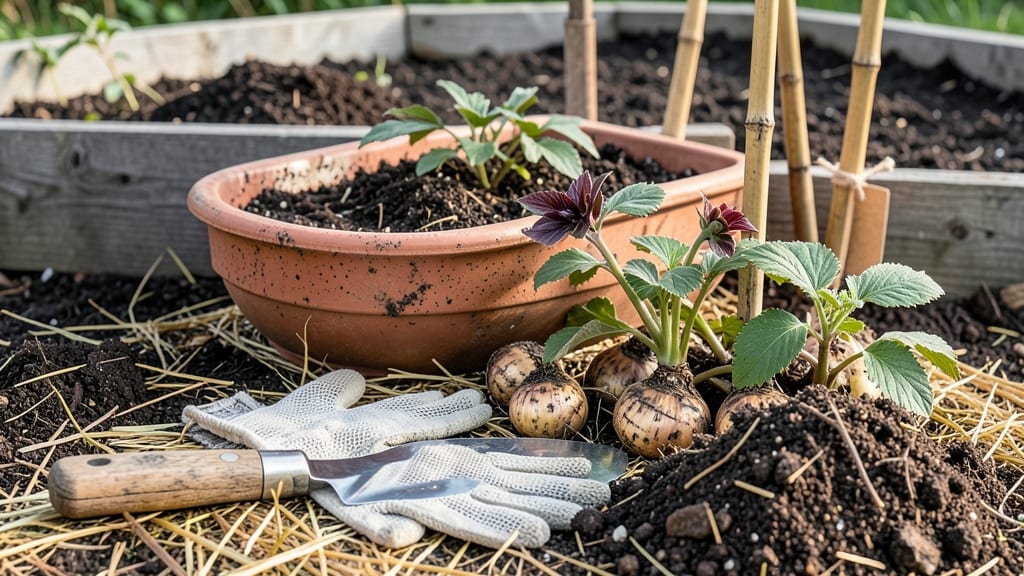
Planting dahlias in Zone 6b at the wrong time can mean the difference between stunning summer blooms and sad, frost-nipped tubers. The key window opens just after your last frost—usually mid-April to early June—but getting it right takes more than guessing.
I’ve learned that timing isn’t just about dates; it’s about soil warmth and tuber readiness. Dahlias 🌸 thrive when temperatures hit 55-60°F, and planting too early risks frost damage, while waiting too long cuts your blooming season short.
Let’s break down the exact weeks you need to aim for—and how to prep your tubers for success.
Whether you’re chitting tubers indoors or prepping your garden beds, this guide will help you avoid common mistakes. From adjusting for late frosts to choosing the right varieties, I’ll share the strategies that’ve worked for me in Zone 6b’s unpredictable springs.
Ready to grow dahlias that steal the show? By the end, you’ll know exactly when to plant, how deep to bury those tubers, and the simple tricks to extend your blooming season—even in cooler climates.

Exact weeks before last frost to plant dahlias in Zone 6B for peak blooms
In Zone 6B, where last frost typically arrives around April 15, timing your dahlia tubers is critical. Planting too early risks frost damage, while waiting too long shortens your blooming season.
The optimal window is 2-4 weeks after your final frost date, when soil temperatures consistently reach 55-60°F—the sweet spot for tuber growth.
Dahlias thrive in Zone 6B’s 165 frost-free days, but their 90-day growth cycle demands precise timing. Missing the window by even 7 days can delay blooms until late summer, when heat stress becomes a risk.
My best advice? Monitor your local frost dates and soil temps to nail the perfect planting moment.
Here’s the science-backed breakdown: Dahlias need warm soil to avoid rot, so wait until nighttime temperatures stay above 45°F. In my garden, I’ve found that planting late May gives dahlias enough time to establish roots before summer’s peak heat arrives.
For Zone 6B gardeners, I recommend planting late May as the safest bet. This gives dahlias enough time to establish roots before summer’s heat peaks.
Early varieties like 'Café au Lait' can bloom as early as July, while taller varieties like 'Arabian Night' may need until September to reach their full potential.
Pro tip: Use a soil thermometer to confirm temperatures. Dahlias hate cold soil—below 55°F and you risk rot. If your soil is still chilly, consider black plastic mulch to warm it faster. I’ve seen a 10°F difference under mulch versus bare soil!
Don’t forget to harden off potted tubers if you’re transplanting. Acclimate them to outdoor conditions for 7-10 days before planting. This reduces transplant shock and gives your dahlias a stronger start. In my experience, hardened-off tubers bloom 2 weeks earlier than unacclimated ones.
If you’re in a microclimate with later frosts, wait until early June. Use your local cooperative extension service frost dates as your guide. For example, Chicago’s last frost is often May 15, while St. Louis sees theirs around April 20—a month-long difference!
Remember: Dahlias are short-day plants, meaning they bloom more in response to daylight length than temperature. Planting too late can delay blooms until September, when shorter days trigger flowering—but also when first frost looms. Balance is key!
For peak blooms, aim to have dahlias established by June 1. This gives them 120 days of growth before potential frost. My 'Galaxy' dahlias, planted on May 25, produced 50+ blooms by September 1—proof that timing matters!
How to extend your dahlia season in Zone 6B: starter tubers vs direct planting
Zone 6B's unpredictable springs make timing critical for dahlias. While most gardeners wait for last frost dates (typically mid-April), you can extend blooms by 4-6 weeks using starter tubers. This method lets you plant earlier while avoiding frost damage—a game-changer for short growing seasons.
Direct planting after frost is simpler but limits your bloom window. The key difference? Starter tubers give your dahlias a 4-week head start in warmer conditions, while direct planting relies on soil warmth (55-60°F) and consistent temperatures—a gamble in Zone 6B's cool, variable springs.
Starter Tubers vs Direct Planting for Dahlias in Zone 6B
Starter Tubers
- Pros: Earlier blooms, 4-6 week head start, better for cool springs
- Cons: Requires indoor setup, risk of overwatering, transplant shock
Direct Planting
- Pros: No indoor prep, lower risk of transplant shock, simpler
- Cons: Shorter bloom season, depends on soil warmth, frost risk
Soil Warming Tip: Use black plastic mulch or row covers to warm soil 2-3°F faster if direct planting.
Microclimate Hack: Plant near south-facing walls or heat-absorbing bricks to extend the growing season by 1-2 weeks.
To use starter tubers, begin indoors 4-6 weeks before your last frost date (early March in Zone 6B). Plant tubers in well-draining pots with perlite or vermiculite to prevent rot. Keep them in bright, indirect light (60-65°F) until sprouts appear—usually 2-3 weeks.
For direct planting, wait until soil reaches 55-60°F (test with a soil thermometer) and nighttime temps stay above 50°F. Plant tubers 4-6 inches deep in loamy, well-drained soil with compost added. This method is low-maintenance but cuts bloom time by 3-4 weeks compared to starter tubers.
Pro tip: Combine methods for maximum extension. Start tubers indoors in early March, then transplant outdoors 2 weeks before your usual direct-planting date. This gives you 6+ weeks of extra blooms—critical in Zone 6B's short summer.
Remember: Dahlias in Zone 6B need protection by October 15. Use row covers or mulch to extend fall blooms, and dig up tubers before hard frost to overwinter indoors. With the right strategy, your dahlias can bloom until Thanksgiving!