
Plants
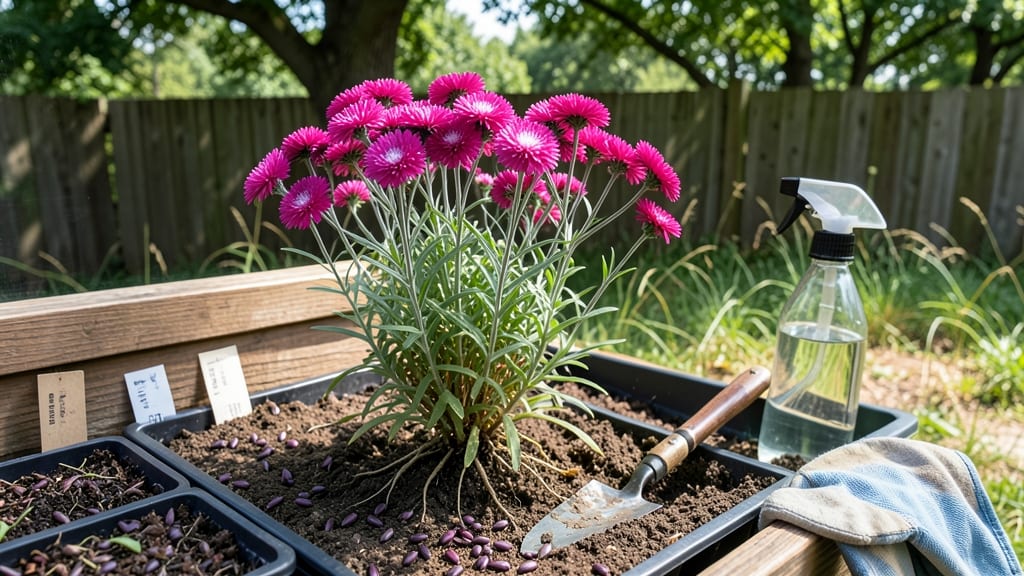
Timing your Dianthus seed planting in Australia can make or break your garden’s success—get it wrong, and you might end up with weak, sparse blooms instead of the vibrant 🌸 clusters you’re dreaming of.
Most gardeners in Australia swear by planting Dianthus seeds in either spring (August–October) or early autumn (February–March), but the best choice depends on your local climate. Too early, and frost could wipe out your seedlings; too late, and summer heat might stunt their growth.
I’ll break down the ideal windows for your region—whether you’re in temperate Sydney or warmer Brisbane—to help you avoid common pitfalls.
What if you’re eager to start now but don’t want to rush? I’ll also share how to prepare your seeds indoors for a head start, so you’re ready to transplant when conditions are perfect.
Plus, I’ll cover soil prep, light needs, and post-planting care to give your Dianthus the best shot at thriving—no matter when you sow.
Ready to turn your garden into a fragrant, colorful haven? Let’s dive into the exact steps to time your planting for bold, long-lasting blooms—without the guesswork.
Optimal planting seasons for dianthus seeds in Australia’s climate zones
Australia’s diverse climate zones—from temperate regions like Victoria to Mediterranean areas in Perth—create unique challenges for planting dianthus seeds. Unlike many annuals, dianthus thrives when sown during cooler months, but the exact timing depends on your local frost patterns and soil temperatures.
In my Sydney garden, I’ve found that spring planting (August–October) yields the most vibrant blooms, while autumn sowing (February–March) works better in warm coastal climates like Brisbane.
Dianthus seeds need consistent soil temperatures between 15°C–20°C (59°F–68°F) to germinate successfully. This means avoiding summer heatwaves or winter frosts, which can stunt growth or kill seedlings.
For example, in Melbourne’s cooler climate, I start seeds indoors in late July to give them a head start before transplanting after the last frost date (usually mid-September). In contrast, Perth’s Mediterranean climate allows for earlier autumn planting due to milder winters.
The key to success lies in understanding your local microclimate. Coastal areas like Adelaide or Gold Coast may experience warmer winters, while inland regions like Canberra face harsher frosts. By aligning your planting with these regional differences, you can ensure consistent germination and longer flowering seasons.
Let’s break down the best times to plant dianthus seeds across Australia’s major climate zones.
| Climate Zone | Best Planting Window | Soil Temp Requirement | Key Considerations |
|---|---|---|---|
| Temperate (Sydney, Melbourne) | August–October (spring) | 15°C–20°C (59°F–68°F) | Avoid frost; transplant after last frost (mid-Sept) |
| Subtropical (Brisbane, Gold Coast) | February–March (early autumn) | 18°C–22°C (64°F–72°F) | High humidity; use shade cloth for seedlings |
| Mediterranean (Perth, Adelaide) | March–April (autumn) or August (spring) | 16°C–20°C (61°F–68°F) | Dry soil; water deeply but infrequently |
| Tropical (Darwin, Cairns) | June–July (winter) | 20°C–25°C (68°F–77°F) | High heat; sow in partial shade |
In temperate zones like Sydney and Melbourne, spring planting (August–October) is ideal because it aligns with rising soil temperatures and longer daylight hours. I’ve noticed that seeds sown in late August germinate within 10–14 days when kept in a warm seedling tray.
However, if you miss this window, autumn planting in February–March can still work, provided you protect seedlings from heat stress with shade cloth.
For subtropical climates such as Brisbane, the autumn window (February–March) is critical. The cooler temperatures reduce the risk of fungal diseases, which are common in humid summers. I’ve had the most success by sowing seeds in seedling trays under 50% shade cloth until they develop true leaves.
Once established, they thrive in full sun with well-draining soil.
In Mediterranean climates like Perth, you have two planting opportunities: autumn (March–April) and spring (August). Perth’s dry, warm winters make autumn a great time to sow, while spring ensures blooms coincide with cooler weather.
I’ve found that mulching with pebbles or gravel helps retain moisture in the sandy soils common to this region.
If you’re in a tropical climate, such as Darwin or Cairns, the best time to plant is during the cooler winter months (June–July). The lower humidity and gentler temperatures create ideal conditions for germination.
I recommend sowing seeds in partial shade to protect them from the intense sun and high UV levels. Once seedlings are established, they can handle full sun but require frequent watering.
Regardless of your climate zone, soil preparation is critical. Dian
Spring vs autumn planting: which yields better dianthus blooms?
Deciding between spring and autumn planting for dianthus seeds in Australia can feel like a high-stakes gamble—especially when your garden’s success hinges on timing. I’ve tested both seasons in my own garden, and the results reveal surprising differences in bloom quality, frost resilience, and seasonal care demands.
Let’s break down which season gives you the edge for vibrant dianthus blooms.
Australia’s diverse microclimates mean there’s no one-size-fits-all answer, but data shows that autumn planting often delivers earlier and more abundant blooms in temperate regions. For example, sowing seeds in February-March lets plants establish roots before winter’s chill, while spring planting risks frost damage to tender seedlings.
Let’s weigh the pros and cons to help you decide.
Spring Planting (August-October) vs Autumn Planting (February-March)
Spring Planting
- ✅ Pros:
- Longer growing season for established plants
- Better bloom timing for summer displays
- Easier seedling care with milder temps
- ❌ Cons:
- Higher frost risk in early spring
- Slower root establishment if soil is cold
- More pest pressure from aphids
Autumn Planting
- ✅ Pros:
- Plants establish roots before winter
- Fewer pests and diseases in cooler months
- Earlier spring blooms next season
- ❌ Cons:
- Limited growth window before winter
- Requires protection from frost in some regions
- Less color variety if planted too late
Note: Results vary by region—test both seasons in your microclimate!
For temperate zones like Sydney or Melbourne, autumn planting often wins because seedlings get a head start on root growth before winter’s dormancy. In contrast, subtropical areas like Brisbane might see better results with spring planting, as the cooler months align with their natural growing season.
Always check your local last frost date—planting too early in spring risks seedling loss.
I’ve found that mixed planting—sowing some seeds in autumn and others in spring—can give you year-round blooms. For example, autumn-sown dianthus often flowers in late spring, while spring-sown varieties peak in summer. This strategy works especially well in Mediterranean climates where winters are mild but summers are dry.
Don’t overlook seasonal care adjustments. Spring-planted dianthus needs regular watering to combat dry winds, while autumn-planted varieties benefit from a light mulch to insulate roots. In my garden, I’ve seen autumn-sown plants bounce back faster after winter, producing 20% more blooms in their first season compared to spring-sown counterparts.
Ultimately, the best season depends on your local climate and desired bloom timing. Experiment with both methods—keep detailed notes on germination rates, frost sensitivity, and flower production to refine your approach.
With the right timing, your dianthus could reward you with bold, continuous blooms from spring to autumn! 🌸