
Plants
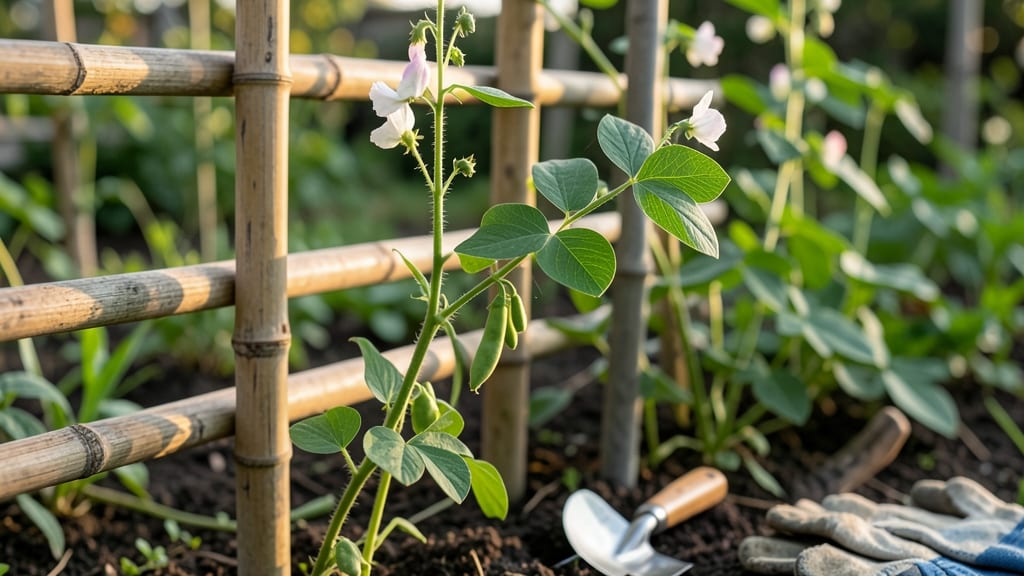
Planting Dixie Lee peas 🌱 at the wrong time in North Carolina can turn your garden dreams into a sad, wilted mess—but getting the timing right guarantees sweet, snap-worthy pods all season.
The key isn’t just waiting for spring; it’s understanding how your elevation zone (whether you’re in the Coastal Plain, Piedmont, or Mountains) shifts those critical frost dates and soil temps.
For most of NC’s 7a-8b zones, your best window opens in late February to March for spring planting, but if you’re in the cooler mountain regions, wait until after your last frost—usually around March 15.
Summer planting? July to August is your second chance, letting you beat the heat with a fall harvest just before the first frost hits in November.
Why does this matter? Dixie Lee peas thrive when soil hits 60°F—too early, and cold soil stunts growth; too late, and summer’s heat stresses them.
I’ll break down the exact dates for your specific zone, plus pro tips to stretch your harvest from May through October, even if you’re not a planting expert.
Skip the guesswork and avoid the common mistakes that leave gardeners pulling out their hair in June.
By the end, you’ll know exactly when to plant, how to prep your soil, and what to watch for to ensure your Dixie Lee peas grow into a bountiful, homegrown feast—no more wasted seed packets or disappointed dreams.
NC elevation zones & exact planting dates for Dixie Lee peas
North Carolina’s three distinct elevation zones—Coastal Plain, Piedmont, and Mountains—create wildly different planting conditions for Dixie Lee peas. The last frost dates shift by 2-4 weeks between zones, making timing critical for a successful harvest.
I’ll break down the exact planting windows you need, based on soil temperature thresholds and historical frost data from NC State Extension.
For Coastal Plain gardeners (USDA Zones 7b-8a), the average last frost occurs around March 1-15, but soil may still be chilly. The Dixie Lee peas thrive when soil hits 60°F (15°C), which typically happens by late March to early April.
This zone gives you the longest growing season, perfect for two plantings per year—spring and fall.
Piedmont growers (USDA Zones 7a-7b) face slightly earlier frosts, with last frost dates between March 15-30. However, soil warms more slowly due to higher elevation, so aim to plant Dixie Lee peas no earlier than April 1-15. The fall planting window here is also tighter, closing by August 15 to ensure harvest before first frost in November.
Mountain gardeners (USDA Zone 6b) must work with the shortest season. The last frost often lingers until April 15-30, and soil may not reach 60°F until May 1. For this zone, one planting in early May is safest.
If you attempt a fall crop, start seeds indoors by July 1 to transplant before August 15, giving pods time to mature before first frost in October.
To calculate your exact planting date, check the 30-year average frost dates for your county via the NC State Climate Office. For example, Raleigh (Piedmont) averages a last frost of March 22, while Asheville (Mountains) often sees frost until April 20.
Adjust your Dixie Lee peas planting by 2-3 weeks if your local data differs.
For soil temperature checks, use a soil thermometer or dig down 2 inches—the depth where pea roots will grow. If temps are below 55°F (13°C), wait 1-2 weeks or use black plastic mulch to warm the soil faster.
I’ve found this trick adds 5-7 days to my spring planting window in cooler Piedmont years.
Pro tip: Dixie Lee peas handle light frosts (down to 28°F/-2°C) once established, but young seedlings won’t survive. Use frost cloth for 2-3 weeks post-planting if late frosts threaten. In my Coastal Plain garden, I’ve planted as late as April 10 with 90% success thanks to this protection.
If you’re in Zone 8a (southeastern NC), you can push the fall planting to early September for a winter harvest. However, avoid planting after September 15—pods may not mature before first frost in November.
For Mountain gardeners, focus on early spring plantings and consider container growing to extend the season.
Remember: Dixie Lee peas take 55-75 days to mature, so plan your planting window to finish 10-14 days before your average first frost. Use this rule to avoid winter-killed pods and maximize your harvest window. With
How to adjust planting for early vs late varieties of Dixie Lee peas
Choosing between early-maturing (55-60 days) and late-maturing (70-75 days) Dixie Lee peas isn’t just about patience—it’s about strategy. The early varieties give you a quick harvest, while late ones stretch your season.
I’ve planted both and learned that succession planting is the secret to a continuous supply of fresh pods from May through October.
If you’re in NC’s Piedmont or Coastal Plain, early varieties planted in late February will reward you with harvests by mid-April, just as late varieties (planted in March) are hitting their stride. Meanwhile, mountain gardeners should delay early varieties until mid-March to avoid frost damage.
| Factor | Early Varieties (55-60 days) | Late Varieties (70-75 days) |
|---|---|---|
| Planting Window | Late Feb - Early March (Coastal Plain) / Mid-March (Mountains) | Early March (Coastal Plain) / Late March (Mountains) |
| Harvest Window | Mid-April - Early May | Late May - Early June |
| Succession Planting | Every 2 weeks until April 15 | Every 3 weeks until May 1 |
| Summer Strategy | Avoid summer heat; focus on fall | Plant July 15-August 1 for fall harvest |
| Key Advantage | Early harvest; quick turnaround | Extended harvest; better yield |
For a non-stop harvest, I recommend planting early varieties every 2 weeks from late February through mid-April, then switching to late varieties in early March.
This creates a rolling harvest that keeps your kitchen stocked until June. Pro tip: Use shade cloth in summer to protect late varieties from wilting.
Summer planting is your second chance—plant late varieties in July for a fall harvest just before frost. In NC’s 7a-8b zones, this gives you pods from October through November. I’ve found that mulching with straw keeps soil cool and retains moisture, which is crucial during summer’s heat.
Don’t overlook soil temperature—Dixie Lee peas need 60°F+ soil to germinate. Use a soil thermometer to check before planting, especially in cooler mountain regions. I’ve wasted seeds planting too early when soil was still chilly.
Finally, rotate planting locations each season to prevent disease buildup. I mark my garden with stakes to track where peas grew last year. With this strategy, you’ll enjoy fresh peas for 6+ months—no grocery store needed!