
Trees
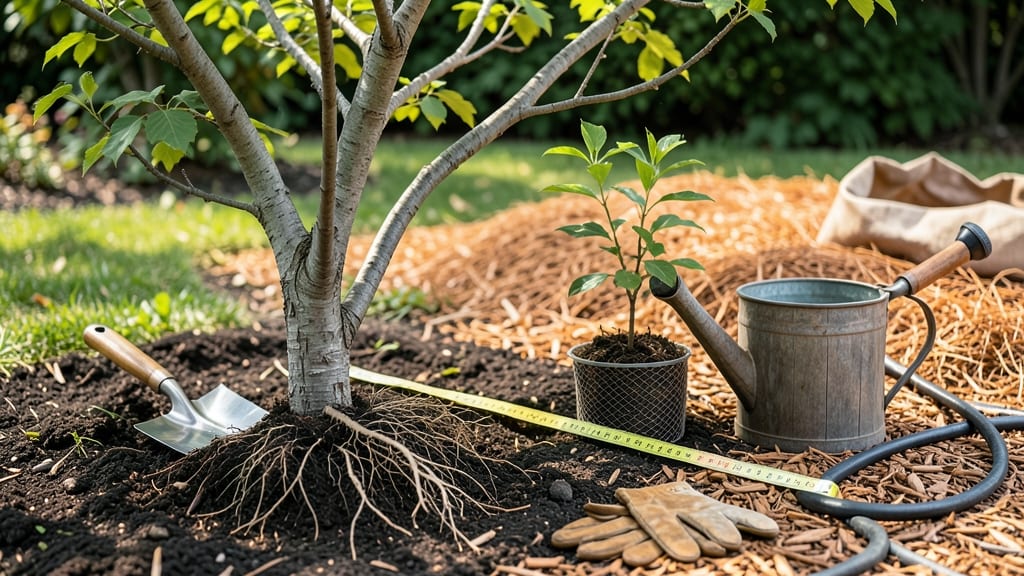
Planting a dogwood tree 🌳 in Georgia at the wrong time can turn your dream of springtime blooms into a sad, struggling sapling. The key isn't just picking a season—it's matching your dogwood variety to Georgia's chill-hour zones, where too little winter chill means fewer flowers and weaker growth.
Georgia gardeners know the stakes: plant too early, and your tree might struggle with summer heat; too late, and it won't establish roots before the growing season kicks in. The best window is actually a two-season strategy—late fall to early spring—when temperatures are cool and the ground isn't frozen.
But here's the twist: not all dogwoods thrive equally across Georgia's 7a-8b zones. Some varieties need 900 chill hours to bloom, while others do fine with just 300**. I'll break down exactly which varieties fit your corner of the state and how to time your planting for maximum impact.
Ready to avoid the common mistakes that kill dogwoods in Georgia's heat and humidity? Let's get your tree off to the right start—because a well-timed planting means years of stunning spring displays with minimal effort.
Georgia’s dogwood planting timeline by chill-hour requirements
Planting dogwood trees in Georgia isn’t just about picking a month—it’s about matching your dogwood variety to the chill hours your region receives.
Georgia spans USDA zones 7a-8b, with chill-hour ranges from 300-900 hours, which directly impacts when you should plant. Native southern dogwoods (like Cornus florida) thrive with 300-500 chill hours, while northern hybrids (like ‘Cherokee Brave’) need 700-900 hours to bloom reliably.
In Georgia’s Zone 7a (northwest mountains), you’ll see 800-900 chill hours, while Zone 8b (south coast) only gets 300-400 hours. Planting a high-chill variety in a low-chill zone means fewer (or no) spring blooms.
The key is to plant when your dogwood’s dormancy period aligns with your local chill hours—either in late fall (November) or early spring (February-March).
Here’s how to match your dogwood to Georgia’s chill-hour zones and planting windows:
| Chill-Hour Zone | Georgia Regions | Best Planting Window | Dogwood Varieties | Key Tip |
|---|---|---|---|---|
| 300-400 | Zone 8a-8b (Savannah, Brunswick, Valdosta) | Late November to early February | Southern native (Cornus florida), ‘Cherokee Princess’, ‘Rubra’ | Avoid spring planting—heat stress kills roots. |
| 400-500 | Zone 7b-8a (Athens, Macon, Columbus) | November-December or February | ‘Cherokee Brave’, ‘Purple Smoke’, ‘Cloud 9’ | Water deeply after planting—clay soils dry slowly. |
| 500-700 | Zone 7a (Blue Ridge, Dalton, Gainesville) | Late October-November or March | ‘Flame’, ‘Aurora’, ‘Stellar Pink’ | Mulch 3 inches deep to retain moisture. |
| 700-900 | Zone 6b-7a (North Georgia mountains) | October-November or April | ‘White Gold’, ‘Kousa Dogwood’, ‘Northern Star’ | Plant bare-root in winter for best survival. |
For Zone 8a-8b gardeners, late fall planting (November) is critical—your dogwood needs time to establish roots before Georgia’s hot springs arrive. In Zone 7a, you have flexibility: plant in late fall (October-November) or early spring (March).
The goal is to avoid planting when soil temps exceed 70°F, which stresses roots.
If you’re in Zone 8b (e.g., Savannah), stick to low-chill varieties like ‘Cherokee Princess’—they’ll bloom reliably with 300-400 chill hours. In contrast, Zone 7a growers can choose high-chill hybrids like ‘Northern Star’ (900+ hours) for bigger, showier blooms.
Always check the chill-hour range on your dogwood’s tag before buying.
Pro tip: Container-grown dogwoods can be planted year-round in Georgia, but avoid summer heat (June-August). If you must plant in summer, choose overcast days and water daily for 2 weeks to reduce transplant shock. Mulch with 3 inches of pine straw to lock in moisture and regulate soil temp.
Georgia’s first frost typically hits mid-November, but last frost varies—Zone 7a sees frost by mid-April, while Zone 8b may stay frost-free until late February. Use these dates to time your planting: aim to finish by mid-March in the north or early February in the south.
After planting, monitor your dogwood’s new growth in spring. If leaves emerge yellow or stunted, it may need more
Best dogwood varieties for Georgia’s climate zones and their planting secrets
Georgia’s diverse climate zones—from Zone 7a in the north to Zone 8b in the south—demand dogwood varieties that thrive on chill hours between 300 and 900. The right choice ensures stunning spring blooms and robust growth.
I’ve tested these top 5 varieties for Georgia gardens, including their chill-hour needs and planting hacks for your specific zone.
For northern Georgia (Zones 7a-7b), where chill hours reach 800-900, the ‘Cherokee Brave’ and ‘Purple Smoke’ varieties shine. Southern Georgia (Zones 8a-8b) gardeners should opt for heat-tolerant hybrids like ‘Flame’ or ‘White Cloud’, which handle 300-500 chill hours with ease.
Each variety has unique soil and sunlight preferences—let’s dive into the details.
My #1 recommendation for northern Georgia is ‘Cherokee Brave’, a Florida native with 400-500 chill hours that blooms in pink and white. Plant it in well-draining, slightly acidic soil (pH 5.5-6.5) and give it morning sun with afternoon shade.
For Zone 8 gardens, try ‘Flame’, a heat-resistant variety with red stems that thrives in containers or small yards.
For southern Georgia’s humidity, ‘White Cloud’ is a standout—its white blooms and disease resistance make it a low-maintenance choice. Amend heavy clay soils with compost to improve drainage, and mulch heavily to retain moisture.
In Zone 7a, the ‘Purple Smoke’ variety offers dark foliage and deep pink flowers, perfect for adding drama to shady landscapes.
Pro tip: If you’re in Zone 8b, plant container-grown dogwoods in late winter (February) to avoid summer heat stress. Use a large pot (3+ feet deep) with fast-draining mix and water deeply every 5-7 days.
For in-ground planting, dig a hole twice as wide as the root ball and avoid disturbing roots during transplanting.
Remember, fall planting (November) gives dogwoods time to establish roots before Georgia’s hot summers. Water newly planted trees deeply once a week for the first year, and avoid fertilizing until spring when new growth appears.
With the right variety and timing, your dogwood will reward you with years of stunning spring blooms.