
Plants
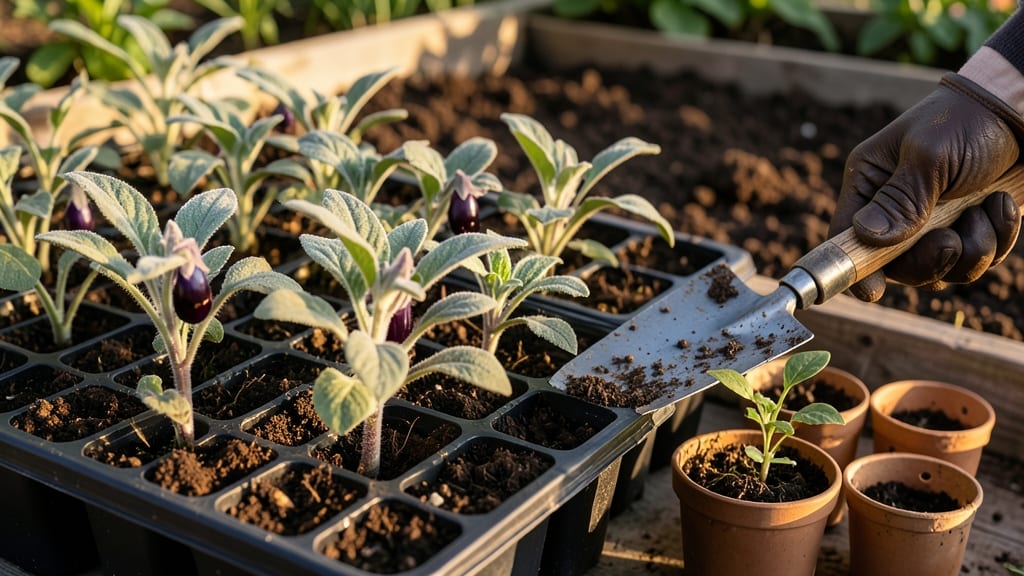
Planting eggplant in North Carolina at the wrong time means watching your 🍆 plants wilt before they ever produce fruit—so timing is everything.
The key to success lies in waiting until after your last frost date (typically late March) and when soil temperatures hit a steady 60°F+, which usually falls between mid-April and early June.
If you're starting seeds indoors, give them an 8-10 week head start before transplanting, but be ready to adjust for NC's microclimates—mountain regions like Asheville (Zone 7a) need a later start than coastal areas like Wilmington (Zone 8b).
The goal? Get those seedlings in the ground when they're strong enough to handle the heat but not so late that summer's end cuts your harvest short.
Direct sowing is an option for impatient gardeners, but it only works if you're planting after Memorial Day when nighttime temps stay above 55°F. The trade-off? You'll sacrifice 2-3 weeks of growth compared to transplants, which is critical in NC's short growing season.
Whether you're a first-time gardener or a seasoned pro, mastering this window means more fruit, fewer losses, and a summer harvest that actually lives up to the hype. Let's break down the exact steps to get it right.
NC eggplant planting calendar: frost dates & soil temperature rules
North Carolina’s diverse USDA frost zones (5a-8b) create unique challenges for eggplant growers. In Zone 5a, like the mountains, your last frost often lingers until May 15, while Zone 8b coastal areas may see frost as late as March 20.
Eggplants thrive when soil temps hit 60°F+, but they’ll wilt if night temps drop below 55°F. Timing is everything—plant too early, and frost will kill tender seedlings; too late, and your harvest shrinks before fall frost arrives.
For direct sowing, wait until after your area’s last frost date and when soil stays above 70°F consistently. In most of NC, this means late April to early June. Transplants, however, can handle slightly cooler soil (60°F+) and give you a 2-3 week head start.
Heat-tolerant varieties like Black Beauty and Ichiban are my top picks—they handle NC’s summer heat better than standard types.
Here’s your month-by-month planting guide for NC’s frost zones, including soil temp rules and best practices for transplants vs. direct sowing:
| Zone | Last Frost Date | Soil Temp for Planting | Transplant Window | Direct Sow Window | Best Varieties |
|---|---|---|---|---|---|
| 5a (Mountains) | May 15 | 70°F+ | May 1 - June 1 | June 15 - July 1 | Black Beauty, Ichiban |
| 6a (Piedmont) | April 15 | 65°F+ | April 15 - May 15 | May 15 - June 1 | Rosa Bianca, Fairy Tale |
| 7a (Coastal Plain) | March 20 | 60°F+ | March 20 - April 30 | April 15 - May 15 | Ichiban, Listada de Gandia |
| 7b (Southeast) | March 10 | 60°F+ | March 10 - April 15 | April 1 - April 30 | Black Beauty, Rosa Bianca |
| 8a-8b (Coastal) | February 15 | 58°F+ | February 15 - March 31 | March 1 - April 15 | Ichiban, Fairy Tale |
In Zone 5a, I recommend starting transplants indoors by March 1 to give them time to mature before the last frost. Use grow lights to prevent leggy seedlings, and harden them off for 10-14 days before transplanting.
For Zones 7b-8b, you can even squeeze in a fall crop by planting transplants in late July to August, using black plastic mulch to warm the soil.
Soil temperature is non-negotiable—eggplants won’t germinate below 60°F. Use a soil thermometer to check temps at 4-inch depth in the morning. If your soil is still cool, try black plastic mulch or a cold frame to raise temps by 5-10°F.
Pro tip: In Zone 6a, I’ve had success planting transplants in early April under row covers to protect against late frosts.
For direct sowing, wait until soil is 70°F+ and night temps stay above 55°F. In Zone 7a, this usually means mid-May, while Zone 8b gardeners can start as early as early April.
Direct-sown seeds take 7-14 days to germinate—patience is key! Thin seedlings to 12-18 inches apart to give roots room to spread.
Heat-tolerant varieties like Ichiban and Black Beauty are my go-tos for NC’s summers. Ichiban matures in just 65 days and handles 90°F+ temps better than most, while Black Beauty produces large, glossy fruit perfect for grilling. For
How to extend eggplant season in NC’s short growing window
North Carolina’s short growing season and unpredictable fall weather can cut eggplant harvests short—but with the right strategies, you can push your last fruits into October or even November. The key lies in combining heat-resistant varieties, protective coverings, and smart planting schedules.
I’ve tested these methods in my Zone 7b garden, and they’ve extended my harvest by 4-6 weeks each season.
Eggplants thrive in warm temperatures (70°F+), but NC’s first frost often arrives by mid-November. By layering season-extending techniques, you can keep plants producing even as nights cool. Start with succession planting—this ensures a continuous supply of young plants ready to fruit as older ones fade.
Pair this with row covers or black plastic mulch to trap heat and protect against light frosts.
Here’s my step-by-step plan to maximize your eggplant harvest in NC’s climate:
In my Triad garden, I’ve had success with succession planting every 3 weeks from late May through July. The last batch often produces smaller but high-quality fruits well into October.
Pair this with drip irrigation to maintain moisture without wetting leaves (which invites disease). Avoid over-fertilizing in fall—too much nitrogen delays maturity.
Pro tip: Prune lower leaves in late summer to improve airflow and reduce disease risk. This also directs energy to fruit development rather than foliage growth. If a light frost threatens, cover plants with old bedsheets or cardboard for 24 hours—eggplants are surprisingly resilient!
With these methods, I’ve turned NC’s short growing window into a 6-month eggplant feast. The secret? Plan ahead, protect your plants, and harvest like your life depends on it—because in NC, it might! 🍆