
Plants
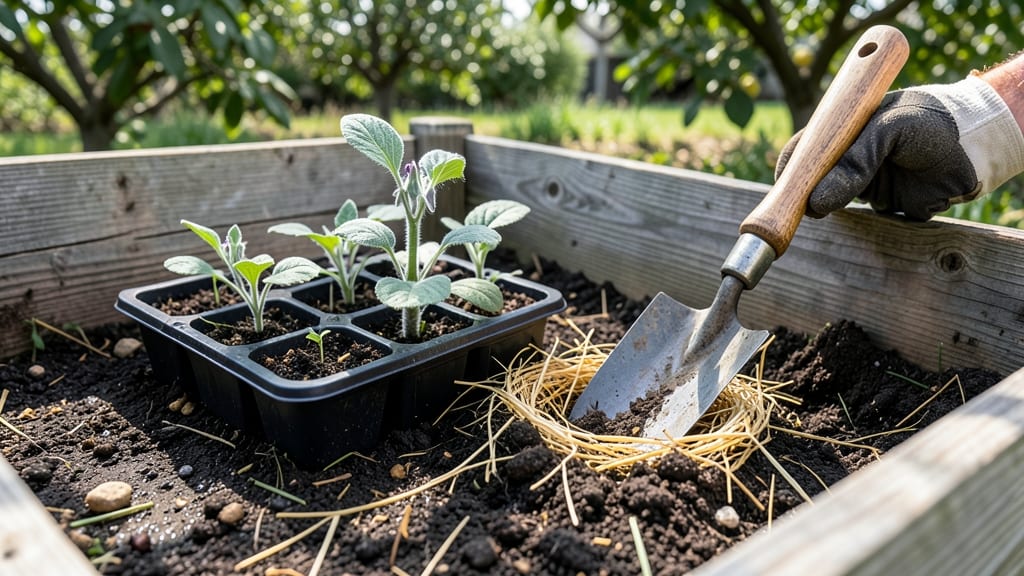
Planting eggplant 🍆 at the wrong time in Zone 7 can mean the difference between a bumper crop and a sad, wilted disappointment. The key isn't just waiting for spring—it's timing it perfectly after your last frost when soil temperatures hit that 70°F sweet spot.
Most gardeners in Zone 7a or 7b rush to plant too early, only to watch their seedlings struggle through cool nights.
I've learned the hard way that patience pays off—waiting until April 15 to June 15 gives your eggplants the warm start they crave for those glossy, 6-inch fruits you dream of harvesting by July.
But here's the secret: even within Zone 7, your microclimate matters. Coastal areas can plant earlier than inland spots, and container growers need to adjust their timing too.
Let me show you exactly how to calculate your perfect planting window—down to the week—so you avoid the most common mistakes and get the harvest you're after.
Ready to transform your garden? We'll cover soil prep, transplanting tricks, and even how to extend your season for a second planting. Your best eggplant harvest starts with getting this timing right—let's make it happen.

Ideal eggplant planting timeline in Zone 7: weeks before last frost for maximum growth
Eggplants are heat-loving plants that won't tolerate cold soil, so timing is everything in Zone 7. The perfect window starts 2-4 weeks after your last frost date, when soil temperatures consistently reach 70°F (21°C) or warmer.
In most of Zone 7, this typically falls between mid-April and early May, but coastal areas may be 1-2 weeks earlier.
For Zone 7a (colder microclimates), aim for late April to early May, while Zone 7b (warmer areas) can plant as early as mid-April. The key is soil warmth, not just air temperature—eggplants won't sprout in cold soil, no matter how sunny it is.
| Stage | Action | Soil Temp | Zone 7 Timing |
|---|---|---|---|
| Start Seeds Indoors | 8-10 weeks before last frost | 70-75°F | Early March |
| Hardening Off | 2 weeks before transplant | 60°F+ | Late April |
| Transplant Outdoors | After last frost, soil 70°F+ | 70°F+ | Mid-April to early May |
| Direct Sow Outdoors | After soil warms to 70°F+ | 70°F+ | Late May (Zone 7a) / Early May (Zone 7b) |
| First Harvest | 75-90 days after transplant | 75°F+ | Late July to early August |
If you're starting seeds indoors, begin them 8-10 weeks before your last frost date (typically early March in Zone 7).
Use seedling heat mats to maintain 70-75°F soil temps—this speeds up germination. Transplant seedlings outdoors only after hardening off for 2 weeks and when nighttime temps stay above 55°F (13°C).
For direct sowing, wait until late May in colder Zone 7a areas or early May in warmer Zone 7b regions.
Direct-sown eggplants take longer to mature (up to 120 days) compared to transplants (75-90 days), so this method is best for late-season varieties or gardeners with short growing seasons.
Eggplants struggle with transplant shock, so bury stems deeper when transplanting—up to the first true leaves. This encourages stronger root growth and helps plants establish faster in Zone 7's variable spring weather. Use black plastic mulch to warm soil faster and suppress weeds.
For early varieties like 'Black Beauty', plant as soon as soil warms (mid-April in Zone 7b). For late-season varieties like 'Ichiban', you can extend planting until early June—these heat-tolerant types handle summer's intensity better and may even produce fruit later into September.
Always check soil temperature with a soil thermometer before planting—eggplants won't germinate below 60°F (16°C), and growth stalls below 70°F (21°C). If your spring is slow to warm, consider row covers to boost soil temperature by 5-10°F.
In containers, eggplants need at least 5-gallon pots and warmer soil than in-ground plantings. Use dark-colored pots to absorb more heat or place containers on black plastic to speed up warming. Container-grown eggplants often ripen faster because their roots warm up quicker.
Remember: Rushing eggplants leads to poor germination or stunted plants. Wait for consistent warmth, and your Zone 7 eggplants will reward you with bountiful, glossy fruit all summer long. 🍆🌱
How to extend eggplant season in Zone 7: frost protection and succession planting tips
Even with perfect timing, Zone 7 gardeners face a harsh reality: the growing season is short, and eggplants 🍆 need warmth to thrive. I've learned that protecting early plantings and planning succession crops can double—or even triple—your harvest.
The key is combining frost protection with strategic replanting dates based on your local frost history.
Start by checking your historical frost dates—most Zone 7 areas experience their last frost around April 1, but inland spots can be 2-3 weeks later. Use this data to calculate your second planting window for late-season harvests.
For example, if your first frost hits November 15, you have about 180 frost-free days to work with.
🔹 Numbered Highlights: Extending Eggplant Season in Zone 7
- 🌡️ Use black plastic mulch to warm soil 3-5°F faster, letting you plant 2-3 weeks earlier than bare soil.
- ❄️ Protect early plantings with floating row covers until soil warms to 70°F consistently.
- 📅 Calculate second plantings by counting back 75-90 days from your average first frost date.
- 🌱 Choose fast-maturing varieties (60-75 days) like 'Ichiban' or 'Black Beauty' for late-season success.
- 🔄 Succession plant every 2 weeks from May through July for continuous harvests.
My favorite trick is using black plastic mulch—it raises soil temperatures enough to start planting in early April, even if nighttime temps dip. Just lay it down 2-3 weeks before your target planting date and remove it after transplanting to avoid overheating.
For extra insurance, pair it with a lightweight row cover during cool nights.
Succession planting works best when you stagger plantings every 2 weeks from May through July. For example, if you plant your first batch on May 1, follow up with June 15 and July 1 for a 3-month harvest window.
Always use fast-maturing varieties (60-75 days) for these later plantings to ensure they reach maturity before frost.
Don't forget about container growing—pots warm up faster than ground soil, letting you plant 1-2 weeks earlier. Just move containers to a sheltered spot during cold snaps and use self-watering systems to maintain consistent moisture.
With these strategies, I've extended my eggplant season from 2 months to nearly 4 months!
Pro tip: Keep a planting journal to track which dates work best in your microclimate. Note soil temps, frost dates, and harvest yields—this data becomes your secret weapon for future seasons. The more you refine your timing, the bigger and more abundant your eggplants will grow.