
Plants
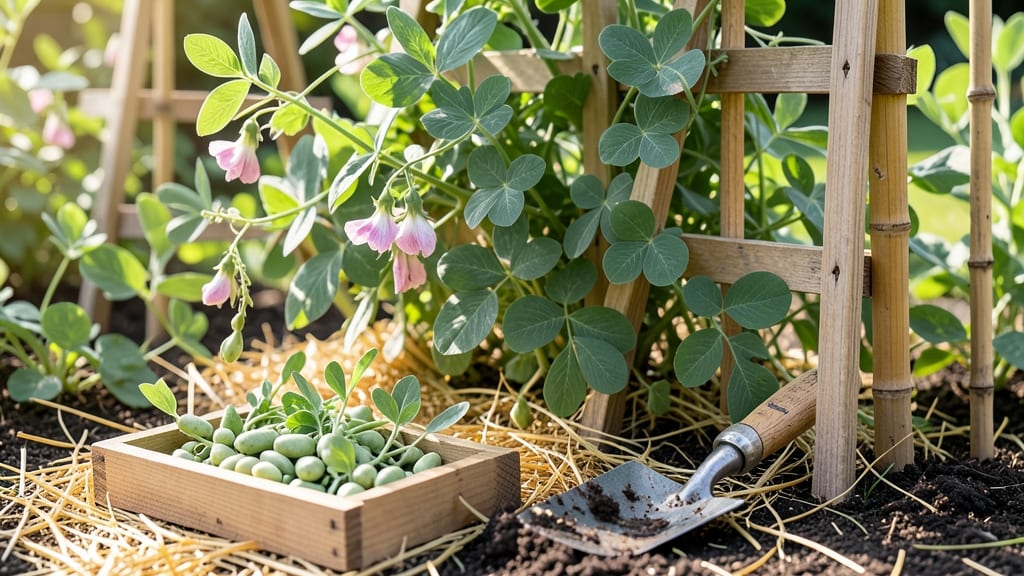
Planting English peas at the wrong time in Zone 8 can leave you staring at bare soil instead of a thriving 🌱 patch—because unlike many veggies, peas need cooler soil to germinate fast.
The secret isn’t just checking the calendar; it’s watching for that sweet spot when temperatures dip into the 40-75°F range—a window most gardeners miss.
I’ve learned the hard way that Zone 8’s mild winters and warm springs throw off traditional planting advice. Too early, and your seeds rot; too late, and you’re racing against summer heat.
But with the right timing, you can get two harvests a year—one in fall and another in spring—without the guesswork.
Let’s break down exactly when to plant for fast germination, how to adjust for coastal vs. inland microclimates, and which varieties handle Zone 8’s quirks best. Spoiler: It’s not as complicated as it seems, and you’ll be enjoying sweet peas in just 75 days.
Whether you’re a first-time gardener or a seasoned pro, these soil-temperature tricks will save you time, seeds, and frustration. Ready to turn your Zone 8 garden into a pea powerhouse?

Optimal soil temperature ranges for planting English peas in Zone 8
English peas thrive when planted at the right soil temperature, which directly impacts germination speed and seedling health. In Zone 8, where winters are mild and summers can be hot, understanding these ranges is key to avoiding failed plantings.
The ideal window sits between 40°F and 75°F, but not all varieties respond the same way.
Cold-hardy varieties like 'Sugar Snap' or 'Lincoln' can germinate in 40-50°F soil, making them perfect for early fall or late winter plantings. Meanwhile, heat-sensitive types such as 'Oregon Sugar Pod' struggle above 70°F and may rot or fail to sprout. This distinction is critical for Zone 8 gardeners.
To test your soil temperature accurately, use a soil thermometer inserted 2 inches deep—where seeds will be placed. Morning readings are most reliable, as afternoon sun can skew results. Aim for 50-60°F for peak germination in most varieties, but adjust based on your specific pea type.
Here’s how soil temperature affects your English peas at different stages:
If your soil runs cooler than 40°F, consider using black plastic mulch or a cold frame to warm the soil by 5-10°F. This trick is especially useful for late-winter or early-fall plantings in Zone 8’s cooler microclimates, like higher elevations or coastal areas.
For heat-sensitive varieties, plant in late summer when soil temperatures begin to drop naturally. Monitor evening temps—if they dip below 65°F, your peas will recover from daytime heat stress. This approach extends your growing season by 2-3 weeks compared to traditional spring plantings.
Pro tip: Soak seeds overnight before planting in cooler soils (below 50°F). This jumpstarts germination and compensates for slower metabolic activity in chilly conditions. Just ensure your seeds stay moist but not waterlogged during this process.
In Zone 8, where frost dates are unpredictable, soil temperature is a more reliable guide than calendar dates. Use a 3-day average of morning readings to confirm readiness—this accounts for daily fluctuations that can confuse new gardeners.
Remember, overheated soil (above 80°F) can cause seed rot, even in heat-tolerant varieties. If summer planting is unavoidable, opt for shade cloth or plant in partial shade to keep soil temps in the safe zone.
By mastering soil temperature, you’ll transform your English pea plantings from hit-or-miss to consistently successful—no matter which season you choose to grow them in Zone 8.
Best planting windows in Zone 8: fall vs. spring timing
Zone 8 gardeners have a unique advantage with English peas—the ability to plant twice a year for two harvests. But timing is everything. Unlike cooler climates, Zone 8’s mild winters and warm springs create a 60-day window where soil temperatures can swing from ideal to too hot.
I’ve found that mastering fall and spring planting means avoiding the "summer slump" when peas struggle to germinate.
The key difference between fall and spring planting in Zone 8 isn’t just about seasons—it’s about soil temperature management. Fall plantings benefit from the earth’s natural cooling, while spring plantings require soil warming strategies to prevent seeds from rotting.
Let’s compare the two approaches so you can choose what works best for your microclimate.
Fall Planting (September-October)
✅ Pros
- Cooler soil ideal for germination (50-65°F)
- Fewer pests like aphids and pea weevils
- Earlier harvests before summer heat
- Less watering needed in mild fall weather
❌ Cons
- Frost risk in late fall (use row covers)
- Shorter daylight may slow growth
- Limited varieties suited for fall
Spring Planting (February-March)
✅ Pros
- Longer growing season for bigger yields
- More variety choices including dwarf types
- Avoids summer heat stress if planted early
- Better for trellising with taller varieties
❌ Cons
- Hot soil risks seed rot (must monitor temps)
- Pest pressure increases as weather warms
- Requires irrigation during dry spells
- Later harvests may conflict with summer crops
For fall plantings, aim for mid-September to early October when daytime highs stay above 70°F but nighttime dips below 60°F. This gives peas time to establish before winter. I’ve had success with Sugar Snap peas in fall, as they tolerate cooler temperatures better than shelling varieties.
Spring plantings should begin 4-6 weeks before your last frost date—typically late February to early March in most of Zone 8. However, inland areas like Las Vegas can plant as early as January, while coastal regions like San Diego should wait until March.
Always check your local USDA frost map for precise timing.
To warm spring soil faster, use black plastic mulch or plant near south-facing structures that absorb heat. I’ve seen soil temperatures rise 10°F in just 3 days with these methods. For fall plantings, focus on well-draining soil to prevent waterlogging during occasional winter rains.
Remember: English peas are cool-season crops, so they’ll bolt if exposed to prolonged heat above 80°F. That’s why I prioritize shade cloth for summer plantings or stick to fall/spring windows entirely. With the right timing, you’ll enjoy two bountiful harvests instead of one mediocre attempt.