
Planting
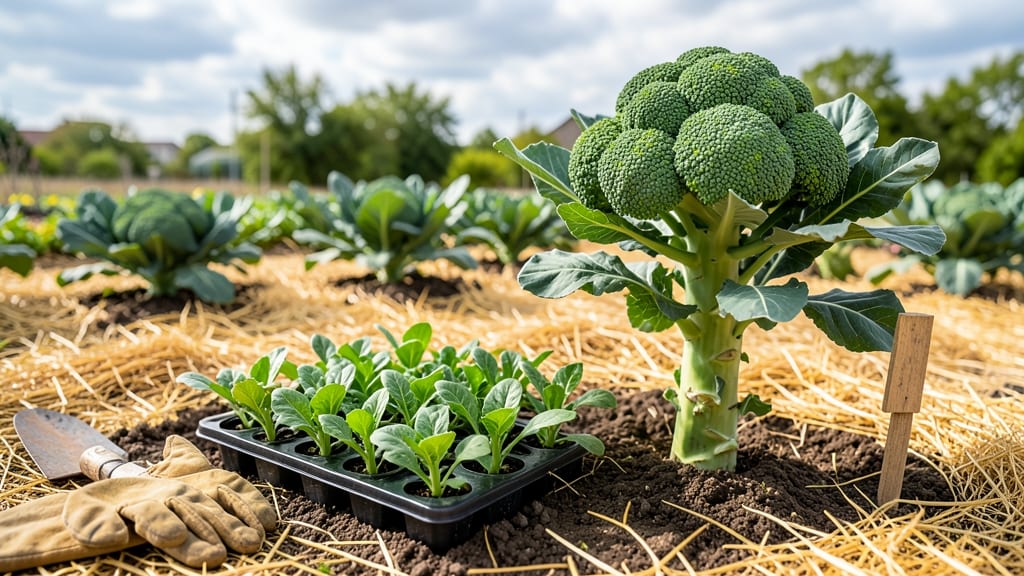
Planting your fall garden in North Texas at the wrong time can mean the difference between a bountiful harvest and wasted seeds—because the first frost sneaks up faster than you think. 🌱 Most gardeners here wait until September, but the exact timing depends on what you're growing and how you want to stretch your season.
Let’s cut through the guesswork: I’ll break down the best planting windows for everything from leafy greens to root vegetables, so you can avoid common mistakes like bolting or frost damage.
Whether you’re a first-time gardener or a seasoned pro, these region-specific tips will help you maximize your yield before winter sets in.
North Texas’s unpredictable weather makes timing critical—especially in zones 7b-8a. You’ll learn how to adjust for heat retention, irrigation needs, and even microclimates in your yard. No more last-minute scrambles or disappointed seedlings!
Ready to turn your fall garden into a zero-frost success? I’ll share the precise dates, soil prep secrets, and variety recommendations so you can harvest fresh produce straight through December—or until the first hard freeze.
North Texas fall planting calendar: exact dates by vegetable type for maximum yield
Timing your fall garden in North Texas is all about beating the first frost (usually around November 15) while avoiding the lingering summer heat.
The key window is late August to early October, but exact dates depend on your crop type and whether you're planting in-ground or in containers. For leafy greens like spinach and lettuce, start 8-10 weeks before frost—that’s mid-September for most varieties.
Brassicas such as broccoli and kale need a 6-8 week head start, so seed them by early September. Root vegetables like carrots and beets can handle cooler soil, so you can direct-sow them as late as mid-October in well-drained beds.
Containers warm up faster, so adjust your schedule 1-2 weeks earlier for potted plants.
| Crop Type | Optimal Planting Window | Container Adjustment | Harvest Timeframe | Frost Tolerance |
|---|---|---|---|---|
| Leafy Greens (Lettuce, Spinach, Kale) | Late August - Mid-September | 1-2 weeks earlier | October - December | Light frost (28°F) |
| Brassicas (Broccoli, Cauliflower, Brussels Sprouts) | Early September | Same as ground | November - January | Moderate frost (25°F) |
| Root Vegetables (Carrots, Beets, Radishes) | Mid-September - Mid-October | 1 week earlier | October - December | Hard frost (20°F) |
| Alliums (Onions, Garlic, Leeks) | Late August - Early September | 2 weeks earlier | November - March | Very cold tolerant (15°F) |
| Peas & Beans (Sugar Snap, Snow Peas) | Mid-September - Early October | Same as ground | October - December | Light frost (30°F) |
For containers, prioritize fast-maturing varieties like bush beans or radishes, which can be harvested in as little as 30-40 days. Slow growers like Brussels sprouts (90+ days) need an early start—plant them by mid-August if you want a full harvest before frost.
Always check your seed packet for days-to-maturity, then count backward from your expected frost date.
Soil temperature matters just as much as air temperature. Use a soil thermometer to confirm your beds are below 85°F (ideal range: 60-75°F) before planting. In containers, soil cools faster, so monitor closely—especially in shaded areas where temps can drop 10°F cooler than in-ground plots.
Amend your soil with compost now to improve drainage and heat retention.
Don’t overlook succession planting for a continuous harvest. Sow radishes every 2 weeks from September through October—they mature in just 25 days and tolerate light frosts.
For leafy greens, make a second planting in early October using cold-hardy varieties like Winter Density lettuce or Winterbor kale, which can survive <
How to extend your fall garden season without risking frost damage
North Texas’s fall weather is famously unpredictable—one day it’s 75°F and sunny, the next it’s 32°F with frost. The key to a successful fall garden? Extending your harvest window without letting frost ruin your hard work.
I’ve tested these methods in my own garden, and they’ve added 4-6 weeks to my growing season reliably.
Instead of accepting the first frost as your garden’s end, use protective barriers, strategic planting schedules, and heat-tolerant varieties to keep your plants thriving. For example, my bok choy and spinach have stayed crisp under row covers until mid-December—when most gardens are already buried under snow in colder climates.
- ✅ Use row covers (like Reemay fabric) to protect tender greens from light frosts (28-32°F). Secure edges with bricks or soil to prevent wind damage.
- ✅ Build a cold frame over leafy greens and herbs—it traps heat during the day and radiates it back at night, keeping soil temps 10-15°F warmer than outside.
- ✅ Swap heat-sensitive varieties for cold-hardy or bolt-resistant plants. Replace regular lettuce with ‘Winter Density’ romaine or ‘Red Russian’ kale.
- ✅ Plant in succession every 2-3 weeks from late August to mid-October. This ensures a steady harvest—when one batch matures, another is ready to replace it.
- ✅ Mulch heavily with straw or leaves (4-6 inches) to insulate soil and roots. This delays frost penetration by 1-2 weeks in my experience.
One of my favorite tricks is layering protection. For instance, I’ll plant spinach and arugula under a low tunnel hoop house covered with clear plastic during the day and a row cover at night. This combo has kept my greens growing until Christmas Eve in some years!
Don’t overlook soil temperature—cool-season crops like broccoli and carrots need soil temps between 40-80°F to germinate. If your soil is still above 85°F in late August, wait until September 1st to plant or use shade cloth to cool it down.
I’ve seen seeds fail to sprout when planted too early in the heat.
For herbs like cilantro and dill, which bolt quickly in heat, I start them in shaded containers on my patio until soil temps drop below 80°F.
Then, I transplant them into the garden where they thrive until frost. This two-step process has saved me from bitter, flower-covered cilantro every fall.
Remember: North Texas’s first frost usually hits around November 15th, but microclimates (like near buildings or ponds) can delay it by 1-2 weeks. Use these techniques to push your garden’s limits—your homegrown kale in December will be worth the effort! 🌱