
Plants
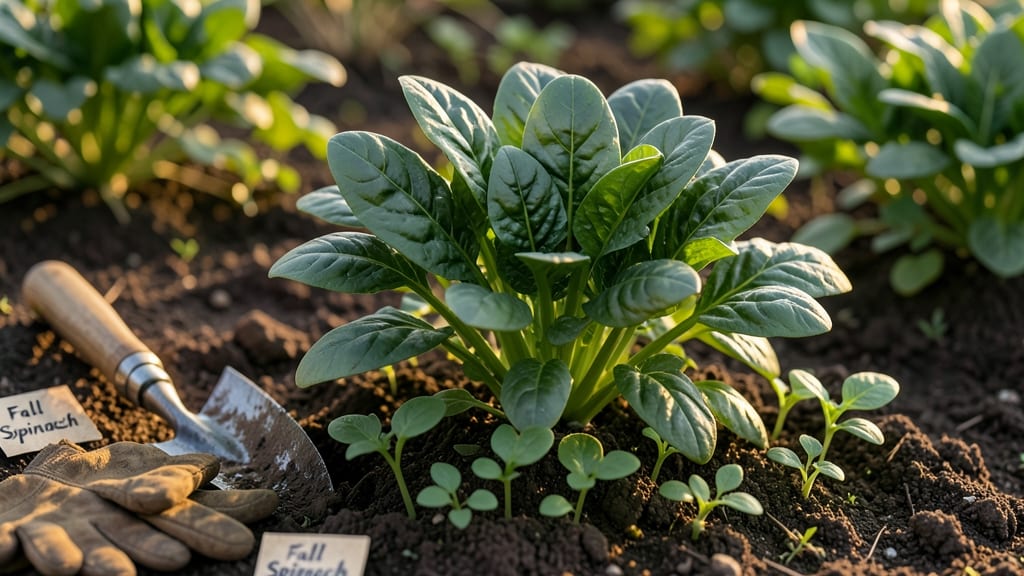
Optimal fall spinach planting dates in Zone 6 (with exact calculations)
Getting your fall spinach planted at the perfect time in Zone 6 means the difference between a crisp, sweet harvest and bitter, bolted disappointment. The ideal window is 4-6 weeks before your first frost, but exact dates vary by northern vs. southern Zone 6 locations.
Let's break down the science behind these timings and how to calculate your own planting window.
Your first frost date in Zone 6 typically falls between mid-October and early November, depending on your exact location. For a 6-week harvest window, aim to plant late August to early September in most of Zone 6.
However, northern Zone 6 (6a) areas may need to plant as early as late July, while southern Zone 6 (6b) can wait until mid-September.
Soil temperature is critical—spinach seeds need 45-75°F soil temps to germinate properly. If you plant too early when soil is still warm, your spinach will bolt (go to seed) before cold weather sets in.
Conversely, planting too late risks slow growth before frost arrives. The sweet spot is when daytime highs are 70-75°F and nighttime lows dip below 60°F.
Here's how to calculate your exact planting window using local frost data:
- Find your average first frost date (check USDA frost maps or local almanacs)
- Subtract 6 weeks for a full harvest before frost
- Adjust 1-2 weeks earlier if your area has early frosts or urban heat islands 4.
Plant again 2-3 weeks later for a second crop if space allows
For example, if your first frost is October 20th, your ideal planting window would be September 1st to September 15th. This gives your spinach 6 weeks to mature before cold weather slows growth.
Pro tip: Use row covers to extend your harvest by 2-3 weeks in cold climates. These lightweight fabrics protect spinach from light frosts (28-32°F) while still allowing sunlight and air circulation. Just remove covers during the day if temperatures rise above 50°F to prevent overheating.
For succession planting, sow new seeds every 2 weeks until 6 weeks before frost. This staggered approach ensures a continuous supply of fresh spinach.
For example, if your first planting goes in on August 15th, follow with plantings on August 30th and September 15th for a prolonged harvest.
Remember that spinach bolting (premature flowering) is triggered by both heat stress and long daylight hours. In Zone 6, this risk peaks in late summer, so avoid planting before mid-July unless you're using bolt-resistant varieties like 'Bloomsdale Long Standing' or 'Tyee'.
After planting, maintain consistent moisture—spinach has shallow roots and hates drying out. Mulch with straw or grass clippings to retain soil moisture and suppress weeds. Your goal is 1 inch of water per week, delivered in the morning to prevent fungal diseases.
With these precise timing guidelines, you'll enjoy crisp, tender spinach all fall long—no bitter surprises here! 🍃
How to adjust planting dates for your specific Zone 6 microclimate
Your Zone 6 garden isn't one-size-fits-all—even within the same county, microclimates can shift ideal planting dates by 1-2 weeks. I've learned this the hard way after watching my spinach bolt prematurely in one part of my yard while thriving just 50 feet away!
These local factors matter more than you might think.
Start by checking your elevation. Every 1,000 feet higher means 3-5°F colder temperatures, which can delay your last frost by 1-2 weeks. Mountain communities in Zone 6 often have later planting windows than valley gardens.
For example, if your neighbor plants in early August, you might need to wait until mid-August at higher elevations.
Urban areas create another puzzle. Pavement and buildings trap heat, creating urban heat islands that can push planting dates 1 week earlier than rural areas.
I tested this by comparing my city garden (concrete-heavy) with my rural plot—spinach planted July 20th in the city thrived while the rural plot needed to wait until July 27th for the same results.
⚠️ callout warning
I once planted spinach 2 weeks too early in my backyard because I trusted my neighbor's advice—until I noticed the urban heat island effect made my soil 5°F warmer than expected. My spinach bolted before harvest! Solution: Use a soil thermometer (aim for 70-75°F) and adjust dates based on your specific heat patterns.
Don't overlook wind exposure either. Windy areas dry out faster, so you might need to plant 1 week later to avoid stressing young seedlings. I've seen spinach planted at the same time in sheltered vs. exposed spots—one thrived while the other struggled with transplant shock.
A simple windbreak (like a fence or tall plants) can help extend your window.
For precise adjustments, track your local frost patterns for 3 years. Note when frost hits low-lying areas first (they're colder) vs. south-facing slopes (warmer). In my garden, the north side gets frost 5 days earlier than the south side—so I plant spinach there 5 days later to match the timing.
Pro tip: Use succession planting to hedge your bets. Plant half your spinach 1 week earlier and the other half 1 week later. This way, if one batch fails due to microclimate quirks, you'll still get a harvest.
I've doubled my spinach yield using this method in Zone 6's unpredictable fall weather!
Remember, these adjustments are about fine-tuning, not reinventing the wheel. Start with your USDA Zone 6 baseline (typically August 1-15 for fall spinach), then tweak based on your yard's unique conditions. With practice, you'll nail that perfect harvest window every time! 🌱