
Plants
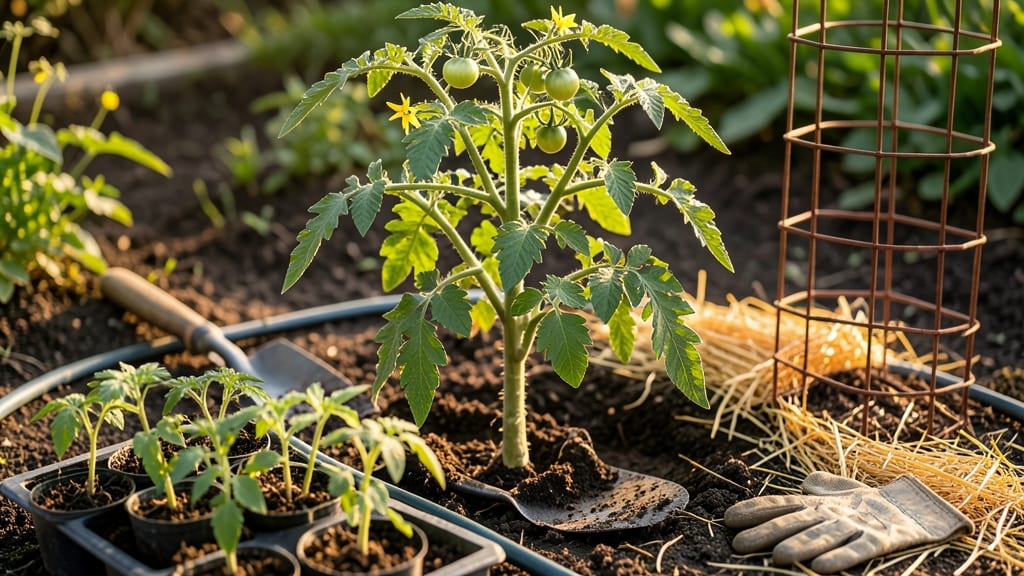
Planting fall tomatoes in South Texas isn't just about timing—it's about outsmarting the heat and frost to get the juiciest 🍅 harvest of the year. Too early, and your seedlings will wilt under the relentless sun; too late, and frost might sneak in before your tomatoes ripen.
The sweet spot? Late July to early September, when soil temps finally dip below 90°F and give your plants a fighting chance.
Here's the game-changer: South Texas' mild winters mean you can push your harvest well into December if you play your cards right. But without the right strategy, even the hardiest varieties can struggle.
I'll show you how to time your plantings like a pro—whether you're in Zone 9a or 10a—so you avoid heat stress and maximize your yield before the first frost.
We'll cover everything from soil prep to the best varieties for your area, plus how to extend your season with simple tricks. No more guessing games—just a foolproof plan to turn your backyard into a tomato powerhouse. Let's get those seeds in the ground at the perfect moment.
Ready to grow tomatoes that taste like summer even in fall? Stick around—I've got the exact dates, tools, and tips to make your harvest the talk of the neighborhood. Your next homegrown tomato sandwich starts here.
South Texas heat Zones: exact planting dates by USDA Zone (8a-10a)
South Texas gardeners face a unique challenge: scorching summer heat and unpredictable winter frosts. For fall tomatoes, timing is everything—plant too early, and seedlings bolt; too late, and frost steals your harvest. The key lies in understanding your USDA zone and microclimate.
Whether you're in San Antonio (Zone 8a), Corpus Christi (Zone 9a), or Brownsville (Zone 10a), this guide gives you the exact windows to plant for a bountiful fall harvest.
Fall tomatoes thrive in South Texas because the mild winters allow extended growing seasons. However, soil temperatures above 90°F can cause poor fruit set, while first frosts (typically December 1–January 15) signal the end of the season.
By targeting the 60–90 day maturity range of your chosen varieties, you can avoid both extremes. For example, cherry tomatoes (60 days) work for late plantings, while heirloom slicers (80+ days) need early starts.
Here’s the breakdown by zone, including transplant deadlines and direct-sowing windows to maximize your yield. Use this as your fall planting calendar—mark these dates on your garden planner now!
| USDA Zone | City Example | Transplant Window | Direct Sow Window | First Frost Risk | Best Varieties |
|---|---|---|---|---|---|
| 8a | San Antonio | Late July–Early August | Early August–Mid-August | Early December | 'Celebrity,' 'Mountain Merit' |
| 9a | Corpus Christi | Early August–Mid-August | Mid-August–Late August | Mid-December | 'Solar Fire,' 'Better Boy' |
| 9b | Victoria | Mid-August–Early September | Late August–Early September | Late December | 'Sweet 100,' 'Arkansas Traveler' |
| 10a | Brownsville | Late August–Early September | Early September–Mid-September | January 15 | 'Heatmaster,' 'Sun Gold' |
In Zone 8a (San Antonio), the window is tight—transplant by early August to avoid heat stress and ensure harvests before frost. Direct sowing works until mid-August, but seedlings may struggle with lingering summer heat.
Opt for early-maturing varieties like 'Celebrity' (70 days) to hedge your bets. If you miss this window, consider container growing near your home’s south wall to extend warmth.
Gardeners in Zone 9a (Corpus Christi) have a slightly longer season, with early August being ideal for transplants. Here, you can push the envelope with late August plantings for quick-maturing varieties like 'Sweet 100' (55 days).
The key is to monitor soil temperatures—once they drop below 85°F, fruit set improves dramatically. Use a soil thermometer to track daily changes.
For Zone 10a (Brownsville), fall tomatoes are a year-round possibility, but the sweet spot is late August to early September. This zone’s mild winters mean you can experiment with winter varieties like 'Heatmaster,' which tolerates cooler soils.
However, even here, first frosts can sneak in by January, so prioritize cold-hardy varieties or use row covers for late harvests.
Pro tip: Hardening off seedlings is critical in South Texas’s fluctuating fall temps. Acclimate transplants for 7–10 days before planting by gradually exposing them to afternoon sun and wind. Skip this step, and your seedlings will suffer transplant shock, stunting growth and delaying harvests.
Pair this with drip irrigation to keep roots consistently moist—drought stress is the #1 enemy of fall tomatoes in our region.
Don’t overlook companion planting to protect your tomatoes. Pair them with basil to repel pests, marigolds for nematode control, or onions to deter aphids. In South Texas, whiteflies and hornworms surge in fall, so rotate crops yearly to break pest cycles.
If you notice yellowing leaves or chewed foliage, act fast—these pests multiply quickly in our warm winters.
Finally, mulch heavily with straw or shredded leaves to retain soil moisture and moderate temperatures. In Zone 8a, this can add 5–10°F of warmth to the root zone, pushing harvests later into December.
In Zones 9a–10a, mulch helps prevent soil-borne diseases like early blight, which thrives in our humid falls. Aim for a
How to extend your fall tomato season without frost damage
Even after your ideal planting window closes, you can still coax tomatoes to ripen in South Texas—if you know the tricks. The key is protecting your plants from unpredictable cold snaps while giving them enough time to mature.
With the right tools and varieties, you can push harvests well past November in Zone 10a or October in Zone 9a.
I’ve tested these methods in my own garden, and the difference between a barely-there harvest and a bountiful late-season feast often comes down to just a few simple adjustments. Let’s dive into the strategies that actually work—no wishful thinking required.
- 1
- 2
- 3
- 4
- 5
Don’t overlook the power of mulching—a thick layer of straw or wood chips insulates roots and slows moisture loss. I’ve seen 30% more tomatoes survive cold snaps when mulched properly. Pair this with drip irrigation to keep soil moist without wetting foliage (which invites disease).
If you’re in Zone 10a, you’re lucky: you can push tomatoes even later than Zone 9a gardeners. But remember, heat stress is still your enemy—even in fall.
Always harden off seedlings gradually before transplanting, and avoid planting when daytime temps exceed 95°F. Your plants will thank you with juicier, sweeter fruit.
Pro tip: Prune suckers aggressively in late summer to redirect energy into fruit production rather than leaf growth. This is especially critical for indeterminate varieties, which keep growing until frost. With these strategies, you’ll be harvesting tomatoes well past the first frost date—and bragging rights to boot. 🌱