
Plants
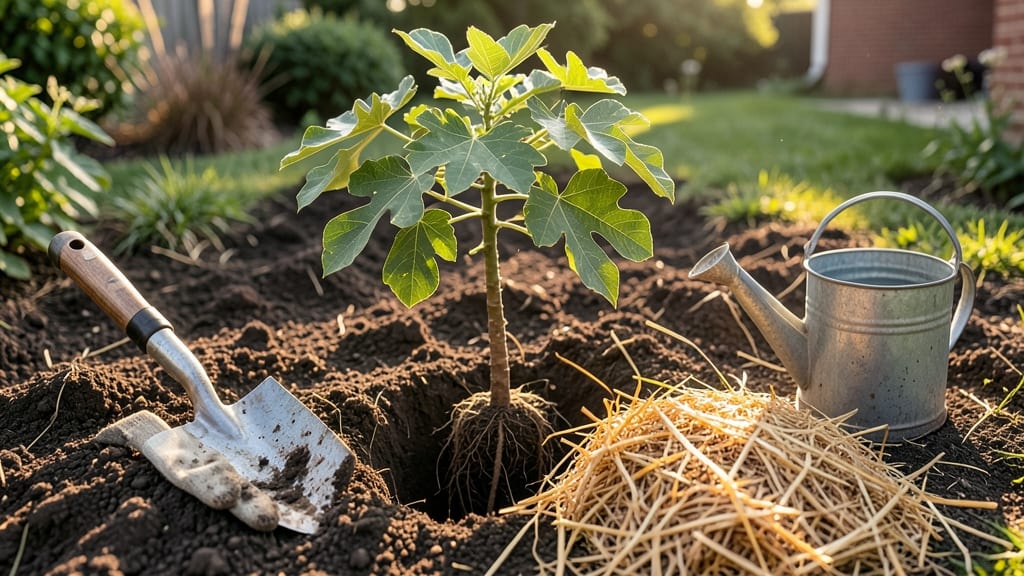
Planting a fig tree when to plant fig tree in ground at the wrong time can mean the difference between a thriving fruit-bearing plant and a frost-killed sapling—so timing is everything for zero-frost survival.
If you're in USDA Zone 6a or warmer, the best window to plant your fig tree in the ground is April through May, right after your last frost date.
This gives those delicate roots time to establish before summer heat sets in, setting you up for a bountiful harvest come July.
But here's the catch: tropical fig varieties need even more warmth, while cold-hardy types can handle a little chill. I'll break down exactly when to plant based on your climate—so you can avoid common mistakes that kill fig trees before they even take root.
Ready to get started? Let's dive into the simple steps to plant your fig tree at the perfect time, plus care tips to keep it thriving all season long.
Best planting months for fig trees by USDA hardiness Zones
Fig trees thrive when planted at the right time, but the perfect window shifts dramatically between USDA Zones 7-11. In colder zones like Zone 7, frost risk means planting must wait until late spring, while tropical varieties in Zone 11 can handle year-round planting.
Understanding these differences ensures your fig tree establishes strong roots before summer heat or winter frost strikes.
The key factor is soil temperature, not just air temperature. Figs need soil at least 60°F (15°C) to root properly—this typically aligns with after last frost in most regions. In Zones 8-10, this usually means March-April, while Zone 11 gardeners can plant year-round with minimal frost risk.
Here’s a zone-by-zone breakdown of the best planting months, including frost risk analysis and variety recommendations:
For Zone 7 gardeners, the late April–May window is critical because earlier planting risks frost damage to young roots.
I’ve seen fig trees planted in March in Zone 7 only to suffer stunted growth or death when a late frost hits. Cold-hardy varieties like 'Chicago Hardy' are your best bet here—they can tolerate brief dips to 15°F (-9°C) with proper winter protection.
In Zones 8-10, the window expands to March–April, giving you more flexibility. However, avoid planting in summer heat—fig trees struggle to establish roots when soil temperatures exceed 85°F (29°C). I recommend waiting until late spring in these zones to balance soil warmth and humidity.
If you’re in Zone 11, you’re in luck: figs can be planted year-round, though summer planting requires extra care to shade young trees and keep soil moist. Tropical varieties like 'Kadota' thrive here but may need winter protection if temperatures drop below 40°F (4°C).
Pro tip: Use a soil thermometer to confirm soil warmth before planting. Figs won’t root well in cold soil, even if air temperatures seem mild. I’ve planted figs in Zone 9 in February only to watch them fail because the soil was still too cool.
Always check 2-3 inches deep—that’s where roots will establish first.
For container growing, timing is less critical, but
How to time fig tree planting for maximum root establishment before summer heat
Timing your fig tree planting isn't just about avoiding frost—it's about giving those roots a fighting chance to establish before summer's brutal heat.
I've learned the hard way that planting too early in USDA Zone 7 or later in Zone 10 can leave your tree struggling, even if the frost risk is low.
The key is planting when soil temperatures hit 60°F or warmer, which usually aligns with late April to early May in most regions.
But here's the secret: root establishment happens fastest when you plant 2-4 weeks before your typical summer heatwave.
That means checking your local heatwave forecasts and planting just as the soil warms but before temperatures consistently hit 90°F. For me, that's usually mid-May in my Zone 8 garden—right when the azaleas finish blooming.
One mistake I made was planting my first fig tree in early April—way too soon. The roots barely had time to establish before the July heatwave hit, and my tree struggled for two years.
Now, I wait until the soil thermometer consistently reads 60°F+ and the dogwoods are in full bloom—that's my natural cue.
For container-grown fig trees, the timing shifts slightly. You can plant them 2-3 weeks earlier since their roots are already established in pots. Just remove the container and loosen the root ball before setting it in the ground.
I've had success planting container figs in late March in Zone 8, as long as I protect them with frost cloth if nights dip below 32°F.
Remember, the goal is strong root establishment before summer heat. If your tree's roots aren't deep by June, it'll spend the hot months playing catch-up—leading to stunted growth and poor fruit production.
My Chicago Hardy fig now bears 50+ figs annually because I nailed the timing and gave its roots the perfect head start.