
Flowers
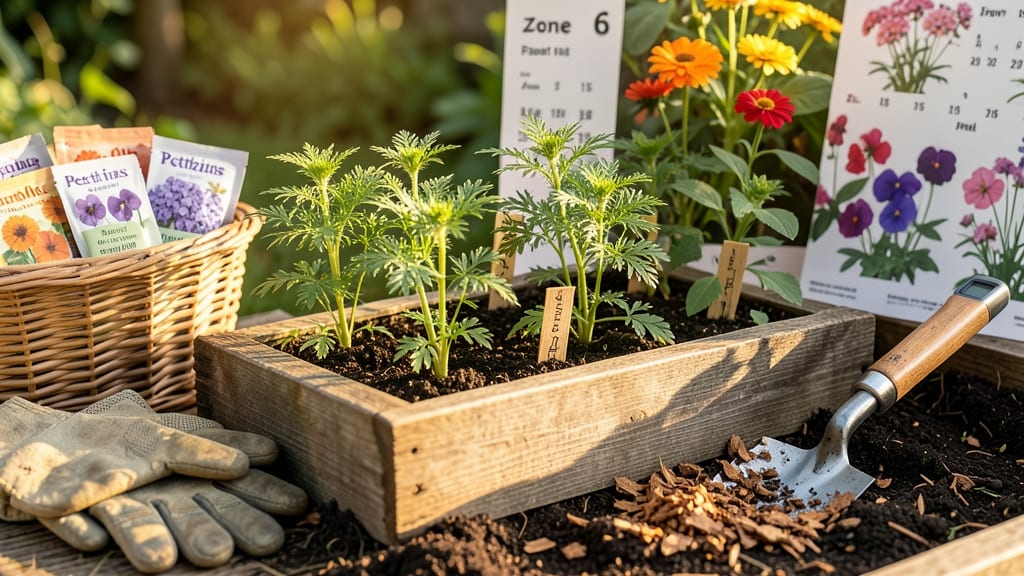
Planting your 🌸 flower seeds at the wrong time in Zone 6 could mean waiting months—or worse, never seeing those vibrant blooms you dreamed of.
The difference between a thriving garden and a season of disappointment often comes down to timing, and in Zone 6, getting it right means knowing exactly when to start seeds indoors or sow them directly outside.
Most gardeners in Zone 6 (like me!) make the mistake of planting too early, only to have frost nip tender seedlings in the bud. But here’s the secret: the best time to plant flower seeds depends on whether you’re growing cool-season blooms (like pansies) or heat-loving annuals (like zinnias).
I’ll break down the exact weeks before your last frost to maximize your garden’s potential.
Whether you’re in the Midwest or Northeast, understanding your local frost dates is key—and I’ll show you how to adjust for early springs or late falls.
Plus, I’ll share my top tips for seed-starting indoors versus direct sowing, so you can avoid common pitfalls and enjoy bold blooms all season long.
Ready to transform your garden? Let’s dive into the precise planting schedule that’ll have your flowers popping up like clockwork—no guesswork required.

Best weeks before last frost to plant flower seeds in Zone 6
In Zone 6, the last frost date typically falls between mid-April and early May, but this can vary by 1-2 weeks depending on your exact location. For cool-season flowers like pansies or snapdragons, you’ll want to plant seeds 6-8 weeks before your average last frost.
In most of Zone 6, this means starting seeds indoors by late February or direct-sowing outdoors by early March.
Warm-season flowers like zinnias or marigolds, however, need to wait until the soil reaches at least 60°F (15°C)—usually 2 weeks after your last frost date. For most of Zone 6, this translates to late April or early May.
Timing is everything, as planting too early can lead to frost damage or stunted growth.
| Flower Type | Best Planting Window (Zone 6) | Soil Temp Requirement | Regional Adjustments |
|---|---|---|---|
| Cool-Season Annuals | 6-8 weeks before last frost (Feb-Mar) | 45-60°F (7-15°C) | Northeast Zone 6: Start indoors by Feb 15; Midwest: March 1 |
| Warm-Season Annuals | 2 weeks after last frost (late April-early May) | 60-70°F (15-21°C) | St. Louis: May 1; Pittsburgh: April 25 |
| Perennials (Spring) | Early spring (March-April) | 40-50°F (4-10°C) | Wait until soil is workable (no mud) |
| Fall-Blooming Perennials | 6-8 weeks before first frost (Aug-Sept) | 60-70°F (15-21°C) | Midwest: Sept 1; Northeast: Aug 20 |
For Zone 6a (colder areas like Pittsburgh or Buffalo), aim to plant cool-season seeds 2 weeks earlier than the average. In contrast, Zone 6b (warmer areas like St. Louis or Cincinnati) can start slightly later.
Always check your local frost dates using resources like the Almanac’s Frost Calculator to fine-tune your schedule.
If you’re starting seeds indoors, begin cool-season flowers like calendula or nasturtiums in late February to ensure they’re ready for transplanting 4-6 weeks before the last frost. For warm-season flowers, wait until mid-March to start seeds indoors, then harden off seedlings before transplanting outdoors in May.
Direct-sowing outdoors is another option for hardy annuals like cosmos or sunflowers. These can handle cooler soil temperatures, so you can plant them 2-3 weeks before your last frost date. Just cover them with row fabric if a late frost is forecasted to protect young seedlings.
One common mistake is planting warm-season flowers too early. If you sow marigolds or zinnias in March, they may germinate slowly in cold soil and become leggy or weak. Always wait until the soil is warm enough—use a soil thermometer if you’re unsure—to ensure strong, healthy growth.
For fall planting, focus on cool-season flowers like pansies or stock. These can be sown 6-8 weeks before your first frost, which in Zone 6 is typically mid-October to early November.
This gives them time to establish roots before winter sets in, so they’ll bloom beautifully in early spring.
Regardless of the season, always prepare your soil before planting. Amend it with compost or well-rotted manure to improve drainage and fertility. This step is crucial for seedling success, especially in Zone 6’s variable climate, where soil can be heavy or rocky in some areas.
By following these Zone 6-specific guidelines, you’ll maximize your chances of vibrant blooms all season long—whether you’re growing annuals for summer color or perennials for year-round beauty. Happy planting! 🌸
Top 5 fastest-blooming flowers for Zone 6 seed starters
If you're eager to see colorful blooms in your Zone 6 garden as quickly as possible, focus on these fastest-blooming flowers. They’ll reward you with vibrant displays in just a few weeks, whether you start them indoors or sow directly outside.
The key is choosing the right varieties and timing their planting to match your local last frost date.
These top 5 picks are annuals and perennials that thrive in Zone 6’s climate, from the Midwest to the Northeast. Some can even bloom in as little as 30 days from seed!
I’ll share their optimal planting times, whether they’re best direct-sown or transplanted, and how to maximize their speed to flower.
- 1 Marigolds (Tagetes spp.) – 30-45 days to bloom. Direct-sow after last frost (May 15-June 1) or start indoors 4-6 weeks before. Thrives in full sun and tolerates poor soil.
- 2 Zinnias (Zinnia elegans) – 40-50 days to bloom. Direct-sow April 15-May 15 or start indoors 6-8 weeks before. Deadhead for continuous blooms all summer.
- 3 Cosmos (Cosmos bipinnatus) – 50-60 days to bloom. Direct-sow May 1-June 1; self-seeds easily. Drought-tolerant and attracts pollinators.
- 4 Sunflowers (Helianthus annuus) – 60-70 days (dwarf varieties bloom faster). Direct-sow April 20-May 10 for early blooms. Choose 'Teddy Bear' for compact growth.
- 5 Nasturtiums (Tropaeolum majus) – 40-50 days. Direct-sow April 15-May 30; edible flowers! Thrives in partial shade and poor soil.
For fastest results, prioritize marigolds and zinnias—they’re the speediest bloomers on this list. If you’re starting seeds indoors, use grow lights to prevent leggy seedlings and transplant outdoors after the soil warms to 60°F.
For direct-sowing, wait until the nighttime temperatures stay above 50°F to avoid frost damage.
Pro tip: Mix these fast-blooming flowers with slower-growing perennials like coneflowers or black-eyed Susans. This way, you’ll have color from spring through fall without gaps. Just remember to deadhead spent blooms to encourage more flowers and extend the season.
My personal favorite for quick gratification is cosmos. They’re drought-resistant, self-seeding, and their pink and white blooms add a whimsical touch to any garden. Plus, they attract butterflies and bees, making your garden a buzzing hub of activity.