
Flowers
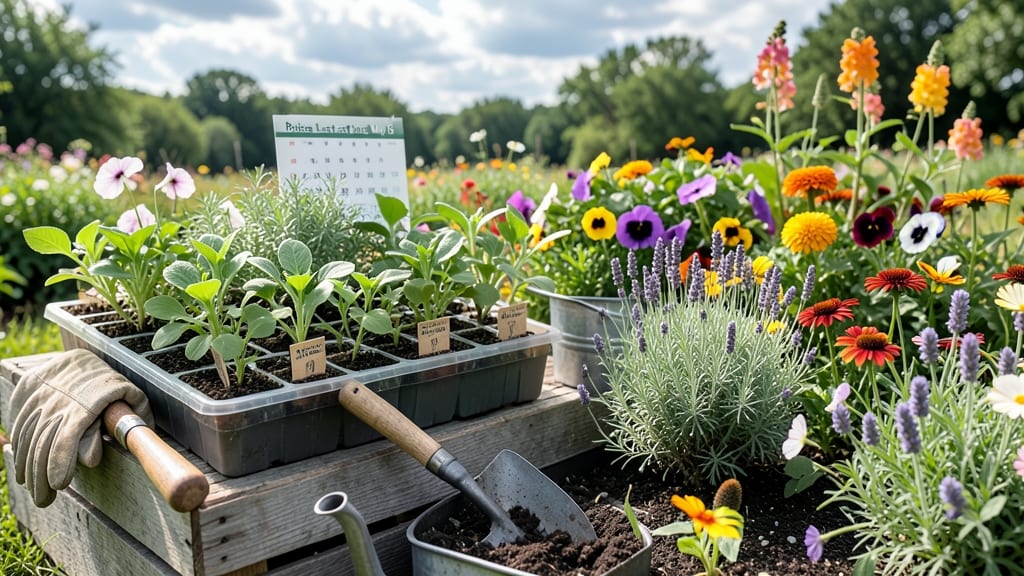
Timing your flowers planting in Boise, Idaho, isn’t just about throwing seeds in the dirt—it’s about beating the unpredictable spring frost that can turn your garden dreams into a sad, icy wasteland.
With USDA Zone 6b conditions, knowing when to plant can mean the difference between a vibrant garden and a season of disappointment.
I’ve spent years testing the best planting windows in Boise, and what I’ve learned is that March through May is your golden opportunity for spring blooms, while late summer offers a second chance for fall flowers.
But here’s the catch: planting too early can leave your 🌸 flowers vulnerable to frost, while waiting too long might cut your growing season short.
In this guide, I’ll walk you through the exact planting timeline for annuals, perennials, and bulbs—plus how to adjust for Boise’s microclimates. Whether you’re a seasoned gardener or just starting, these tips will help you maximize your blooms before the first frost hits.
Ready to turn your garden into a showstopper? Let’s dive into the perfect planting schedule for Boise’s unique climate and ensure your flowers thrive all season long.
Boise Idaho flower planting calendar by season (Zone 7b frost dates)
Boise’s Zone 7b climate means we enjoy 160 frost-free days between our average last frost (May 10) and first frost (October 10). This short season demands precision—plant too early, and frost zaps your blooms; too late, and you miss peak summer color.
The key is matching each flower’s heat tolerance and cold hardiness to Boise’s unpredictable weather patterns. For example, tender annuals like marigolds need to wait until soil warms to 55°F+, while perennials like coneflowers can brave early spring soil as low as 40°F.
I’ve broken down planting by seasonal phases—spring (March-May), summer (June-July), and fall (August-September)—with heat-tolerant vs. cold-hardy plant pairings. This ensures your garden stays vibrant from April through October, even when Boise’s unpredictable late frosts roll in.
Pro tip: Use row covers for early spring plantings to protect delicate foliage, and opt for native perennials that thrive in Boise’s dry, well-drained soils.
For spring planting, focus on March through early May. Start with cold-hardy perennials like lavender and catmint in March, as they tolerate Boise’s late spring frosts
5 Critical factors that determine your Boise flower planting success
Boise’s diverse landscapes create unique gardening challenges—whether you’re in a hot urban pocket or a cooler rural valley, your microclimate dictates when and how to plant. I’ve noticed that downtown areas can be 5-10°F warmer than surrounding regions, which shifts frost dates and planting windows.
For example, my sun-loving zinnias thrive in downtown’s heat but often struggle in the cooler foothills.
The key to success lies in understanding these five critical factors that separate thriving gardens from frost-bitten failures. From soil temperature thresholds to water availability, each plays a crucial role in determining your planting timeline and flower survival rates.
Let’s break down what you need to know to adjust your planting dates like a pro.
- 1 Microclimate Variations: Urban areas (like Downtown Boise) stay warmer than rural zones. Adjust planting by 1-2 weeks earlier in heat pockets vs. later in valleys.
- 2 Soil Temperature Thresholds: Wait until soil reaches 50°F (10°C) for most flowers. Use a soil thermometer—I’ve seen marigolds fail when planted in 45°F soil.
- 3 Water Availability: Boise’s drought-prone summers mean deep watering is non-negotiable. I’ve lost petunias in containers when watered only at the surface—always water 12 inches deep.
- 4 Shade vs. Full-Sun Adjustments: Shady gardens (like under trees) can plant 2 weeks later than sun exposures. Coleus and impatiens thrive in shade but bolt in full sun.
- 5 Frost Date Flexibility: Use Boise’s average last frost (May 10) as a guideline, but monitor forecasts. I’ve planted calendulas as late as May 20 in sheltered microclimates with zero frost damage.
Adjusting for shade vs. full-sun gardens is another game-changer. My shady north-facing bed gets 4 hours of sun, so I plant begonias and fuchsias 2 weeks later than my south-facing border.
These shade-lovers need cooler soil to establish roots before summer heat arrives. Meanwhile, my full-sun geraniums go in as soon as the soil warms to 55°F.
Water availability is often overlooked, but Boise’s summer droughts can turn lush gardens into crispy memories overnight. I’ve learned that drip irrigation is a lifesaver—it delivers water 12 inches deep where roots need it most.
Mulching with wood chips retains moisture and keeps roots cool, which is especially critical for delicate annuals like snapdragons.
Pro tip: If you’re unsure about your microclimate, test it! Place a thermometer in your garden for a week to track temperature swings. I’ve found that urban heat islands can delay frost by 10 days compared to rural areas.
Armed with this data, you’ll know exactly when to plant for maximum bloom potential—no guesswork required.
By mastering these five factors, you’ll transform Boise’s unpredictable climate into your garden’s greatest ally. Start with soil temperature, adjust for your microclimate, and water like your flowers’ lives depend on it—because they do! 🌻