
Flowers
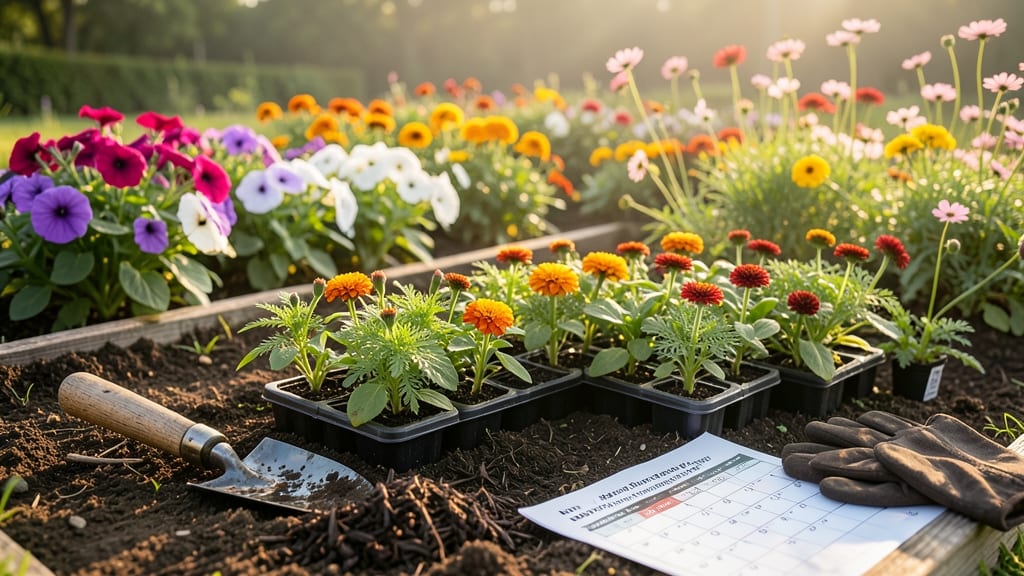
Timing your flower planting in New Jersey isn't just about following a calendar—it's about beating the frost before it beats your 🌸 blooms. With last frost dates swinging from early April in coastal areas to late April inland, getting it wrong can mean wilted dreams instead of vibrant gardens.
I’ve spent years watching my own garden transform when I plant at the right moment, and the difference is stunning. Whether you’re in Bergen County or Cape May, knowing your exact planting window means stronger roots, faster growth, and flowers that last all season.
In this guide, I’ll break down the best times to plant annuals, perennials, and bulbs based on your county’s frost risk. You’ll learn how to adjust for microclimates, pick the hardiest flowers for early starts, and even use local weather tools to fine-tune your schedule.
Ready to turn your garden into a showstopper? Let’s get those flowers in the ground at the perfect moment—no guesswork, just guaranteed blooms.
New Jersey county-by-county flower planting dates based on frost risk
New Jersey's diverse geography creates microclimates that shift last frost dates by weeks—sometimes even months—between northern and southern counties. For example, Bergen County typically sees its last frost around April 15, while Cape May County can plant as late as May 1.
Understanding these variations ensures your annuals, perennials, and bulbs thrive without frost damage or wasted effort.
Spring planting success hinges on two critical factors: average last frost dates and heat zone considerations.
New Jersey spans USDA Zones 6b-7a, meaning coastal areas warm faster than inland regions. Fall planting follows the opposite logic—planting too early risks first frost damage, while waiting too long shortens the root-establishment window before winter.
Below, I’ve organized planting windows by county groups to simplify your planning. Northern counties (e.g., Passaic, Morris) have earlier frost risks, while southern counties (e.g., Atlantic, Ocean) enjoy longer growing seasons. Always check local weather forecasts 1-2 weeks before your target planting date for adjustments.
| County Group | Last Frost (Avg) | First Frost (Avg) | Spring Planting Window | Fall Planting Window |
|---|---|---|---|---|
| Northern NJ (Bergen, Passaic, Morris, Essex) |
April 10-15 | October 20-25 | April 15-May 10 | September 1-15 |
| Central NJ (Hunterdon, Mercer, Middlesex, Somerset) |
April 15-20 | October 25-Nov 1 | April 20-May 15 | September 10-20 |
| Southern NJ (Atlantic, Cape May, Cumberland, Ocean) |
April 25-May 1 | November 1-5 | May 1-May 15 | September 20-October 1 |
| Coastal NJ (Monmouth, Burlington) |
April 20-25 | October 30-Nov 5 | April 25-May 10 | September 15-25 |
For annual flowers, like marigolds or zinnias, wait until two weeks after your county’s last frost date to transplant seedlings outdoors. Cold-hardy annuals, such as pansies or snapdragons, can handle light frosts and may be planted as early as March in southern counties or April in the north.
Perennials benefit from early spring planting, ideally 4-6 weeks before last frost. Divide irises or daylilies in early spring (March-April) or early fall (September-October) for maximum root establishment. Bulbs, like tulips or daffodils, should be planted 6-8 weeks before ground freezes—typically October in northern NJ and November in southern regions.
Adjust your fall planting timeline based on your county’s first frost date. For example, Atlantic County gardeners can plant mums or asters until October 1, while Passaic County should finish by September 15. Use row covers or cold frames to extend fall blooms in high-risk areas.
Urban gardeners in Newark or Jersey City may experience urban heat islands, delaying frost by 1-2 weeks.
Monitor local cooperative extension service reports or use smart garden sensors to track soil temperatures. Coastal areas, like Asbury Park, often have warmer microclimates due to ocean breezes, allowing for later spring plantings.
Pro tip: Test soil temperatures before planting—most flowers thrive when soil reaches 60°F (15°C). Use a soil thermometer to avoid planting too early in chilly, damp soil, which can stunt root growth. Mulch heavily after planting to insulate roots from late-season frosts.
For container gardening, follow the same county-based timelines but account for faster soil warming in pots.
Move containers indoors or to protected garages if a hard frost is forecasted within 48 hours. Succulents and cacti can handle warmer, drier conditions and may be planted 2-3 weeks later than frost-sensitive flowers.
Remember: Local nurseries are your best resource for real-time adjustments. Ask about heat-tolerant varieties if you’re in USDA Zone
How to adjust flower planting for microclimates within New Jersey
New Jersey's diverse geography means your Bergen County garden might face 10°F warmer nights than Cape May just 100 miles away. These microclimates—created by coastlines, urban heat, and elevation—can shift your last frost date by weeks.
For example, Jersey City urban areas often warm up faster than rural Sussex County, letting you plant marigolds 2 weeks earlier in containers.
Coastal areas like Atlantic City experience milder winters, while inland Delaware Water Gap faces colder snaps. Even your garden type matters: container gardens warm up faster than in-ground beds, while shaded microclimates under trees delay planting by 1-2 weeks.
Understanding these nuances lets you extend your growing season without risking frost damage.
Use these 3 quick fixes to adjust planting times:
- Urban Areas: Plant heat-loving flowers (like lantana) 10-14 days earlier than rural zones.
- Coastal Zones: Delay frost-sensitive plants (e.g., petunias) by 7-10 days due to cooler ocean breezes.
- Elevated Gardens: Add 1-2 weeks to planting schedules if your yard sits on a hill.
Pro Tip: Check local weather stations (like NJ Weather and Climate Network) for real-time soil temperature data—aim for 50°F+ for most annuals.
Start by mapping your garden's sun exposure patterns. A south-facing wall can create a microclimate 5-10°F warmer than open areas, letting you plant tender perennials like geraniums 2 weeks earlier. Use a sunlight tracker for 24 hours to identify these hotspots—tools like SunCalc (free app) make this easy.
For container gardens, soil warms up 30-50% faster than in-ground beds, so you can plant calendulas or zinnias 3-4 weeks before your county's average last frost. However, containers also dry out quicker, so use self-watering pots and mulch to maintain moisture.
Pro tip: Place containers near dark-colored walls to absorb extra heat during cool mornings.
Local garden centers like Burt's Greenhouse (multiple NJ locations) offer free frost alerts via email or app. Sign up for these services—they often provide neighborhood-specific adjustments based on their nursery's real-time data.
Pair this with the USDA Plant Hardiness Zone Map (now including microclimate layers) to find your exact Zone 6b-7a variations.
Don't forget to account for wind exposure. Coastal gardens face salty breezes that can stress plants, while inland areas might have drier winds.
If your garden is exposed, choose wind-resistant flowers like black-eyed Susans or Russian sage, and plant them 1 week later than sheltered areas to avoid transplant shock from gusts.
Finally, test your soil's warming rate with a soil thermometer ($10 at garden centers). Most flowers need 55-60°F soil to germinate. If your ground stays cold longer (common in shady or wet areas), opt for cold-hardy varieties like pansies or snapdragons, which can handle 40°F soil.