
Flowers
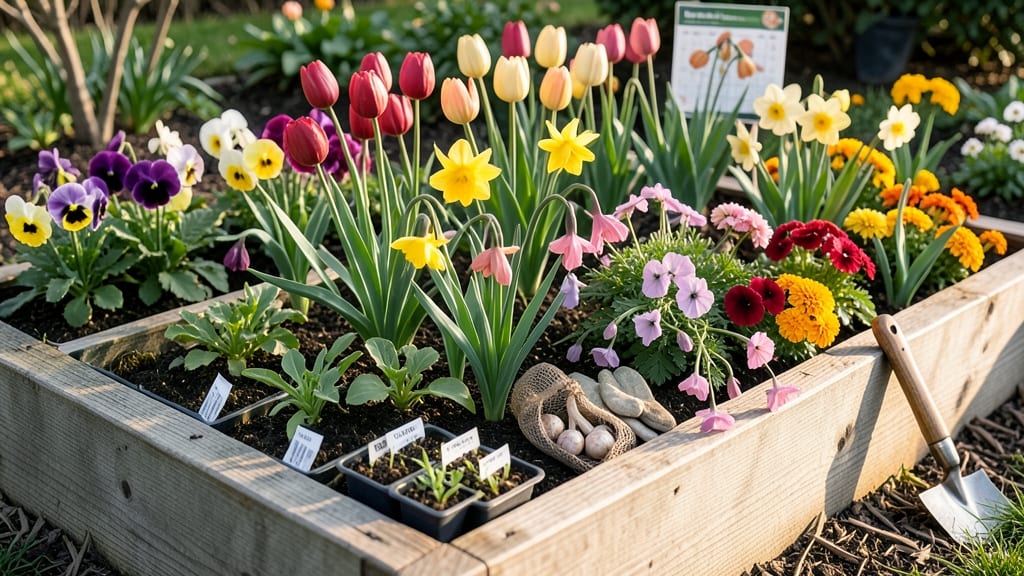
Timing your spring flower planting can mean the difference between a vibrant garden bursting with 🌸 and a sad, frost-bitten disappointment. In Zone 6a, where I garden, waiting until after the last frost date—typically late April—is the key to success. Planting too early risks losing tender seedlings to late cold snaps, while waiting too long might stunt growth before summer's peak bloom season.
But here's the thing: every garden is different. Even within the same zone, microclimates can shift planting windows by weeks. I'll show you how to read your local signs—like budding trees or wildlife activity—to fine-tune your schedule.
Plus, we'll cover the best practices for soil prep and post-planting care that actually work, not just theory.
Whether you're a beginner or a seasoned gardener, knowing when to plant flowers in spring isn't just about dates—it's about understanding your unique growing conditions. Let's break down everything you need to know to get your garden thriving from the very first seedling.
You'll learn which flowers handle cool soil best, how to adjust for early or late springs, and the simple tricks that save time and frustration.
By the end, you'll have a clear, actionable plan tailored to your zone and garden. No more guessing games—just confident planting that leads to months of color and beauty. Let's get those flowers in the ground the right way, the first time.
Spring flower planting timeline by USDA hardiness zones
Planting flowers in spring isn’t a one-size-fits-all task—your USDA hardiness zone dictates the perfect timing to avoid frost damage and ensure vibrant blooms. Whether you're growing cool-season annuals like pansies or heat-loving perennials such as black-eyed Susans, knowing your zone’s last-frost date is your secret weapon.
Let’s break down the ideal planting windows for zones 3-10, so you can start sowing with confidence.
For northern zones (3-5), where frosts linger until late May, focus on early spring bulbs like tulips and daffodils in March, followed by frost-hardy annuals like sweet peas and snapdragons after the last frost.
Meanwhile, southern zones (8-10) can plant heat-loving flowers like sunflowers and marigolds as early as February, but avoid frost-sensitive varieties until March. Let’s dive into the specifics.
In Zone 3-4, where winters are harsh, prioritize cold-hardy annuals like sweet peas and snapdragons. Start these indoors in February for early blooms, then transplant after your last frost date (typically May 1-15).
For heat-loving flowers, wait until late May to avoid frost damage. Bulbs like tulips should be planted in March for spring blooms, or force them indoors for earlier displays.
Gardeners in Zone 5-6 enjoy a longer growing season, allowing for earlier plantings.
Cool-season flowers like pansies and violas can go in as early as April, while heat lovers such as marigolds and zinnias thrive when planted in early April. Bulbs planted in March-April will reward you with vibrant spring color.
Always check your soil temperature—it should be at least 50°F (10°C) for bulbs and 60°F (15°C) for annuals.
For Zones 7-8, where mild winters are common, you can start planting cool-season flowers like lobelia as early as February. Heat-loving varieties such as petunias and geraniums also thrive when planted in late February-March. Bulbs planted in fall (November-December) will naturalize beautifully, returning year after year.
If you missed fall planting, spring planting is still possible, but expect fewer blooms.
In the warmest zones (9-10), your garden is a year-round playground. Start cool-season flowers like stock and sweet peas in January-February, while heat lovers such as impatiens and vinca can go in as early as January.
For bulbs, fall planting (November) is ideal, but spring planting is still viable for tropical varieties like cannas. Always monitor weather forecasts—unexpected cold snaps can still occur.
Pro tip: Use frost cloth or row covers to extend your planting season in cooler zones. For container gardening, move pots indoors during cold snaps to protect tender plants. And remember, soil prep is key—am
How to adjust planting dates for early vs. late springs
Spring weather can be as unpredictable as a toddler's mood—one day it's 60°F and sunny, the next it's 32°F with frost warnings. Learning to read your local microclimate and adjusting planting dates accordingly can save your spring flowers from a tragic, icy demise.
The key? Pay attention to nature's cues and use simple tools to extend your growing season.
Your USDA zone gives you a starting point, but real-world conditions—like microclimates or early/late frost—often demand flexibility. For example, a cold snap in Zone 7 might delay planting by 2-3 weeks, while a warm snap in Zone 5 could let you start earlier.
The solution? Combine frost dates with practical adjustments like frost cloths or cold frames.
- Watch for budding trees like cherry blossoms or maples—their bloom time signals last frost is near (usually 2-3 weeks after).
- Observe wildlife: When hummingbirds return or butterflies emerge, it’s safe to plant heat-loving flowers like marigolds or zinnias.
- Use frost cloths to protect tender perennials (e.g., coleus) 2-3 weeks before your average last frost.
- Extend your season with cold frames or mini greenhouses—they can add 4-6 weeks of growing time for cool-season flowers.
- Test soil temperature with a soil thermometer: Most spring flowers need 50-60°F soil to thrive.
If your spring arrives late, focus on cool-season flowers like pansies or snapdragons, which tolerate light frost. These can handle 32-35°F temperatures, giving you a head start. For heat-loving varieties (e.g., petunias, geraniums), wait until nighttime temps stay above 50°F consistently.
For early springs, prioritize fast-growing annuals like cosmos or sunflowers, which sprout quickly and handle warmer soil. Use shade cloth to protect seedlings from intense midday sun until they establish roots.
I’ve even planted marigolds in late March in Zone 6 by covering them with frost cloth at night.
Don’t forget to adjust your watering schedule based on weather shifts. Early springs often mean cooler soil, so water deeply but less frequently to prevent root rot.
In late springs, increase frequency to compensate for drier conditions. A drip irrigation system helps maintain consistency, especially if you’re juggling multiple planting dates.
Finally, keep a gardening journal to track your adjustments year over year. Note which flowers thrive with early planting, which struggle in late springs, and how microclimates affect your garden. Over time, you’ll develop a customized planting calendar tailored to your unique conditions—no more guessing games! 🌸