
Flowers
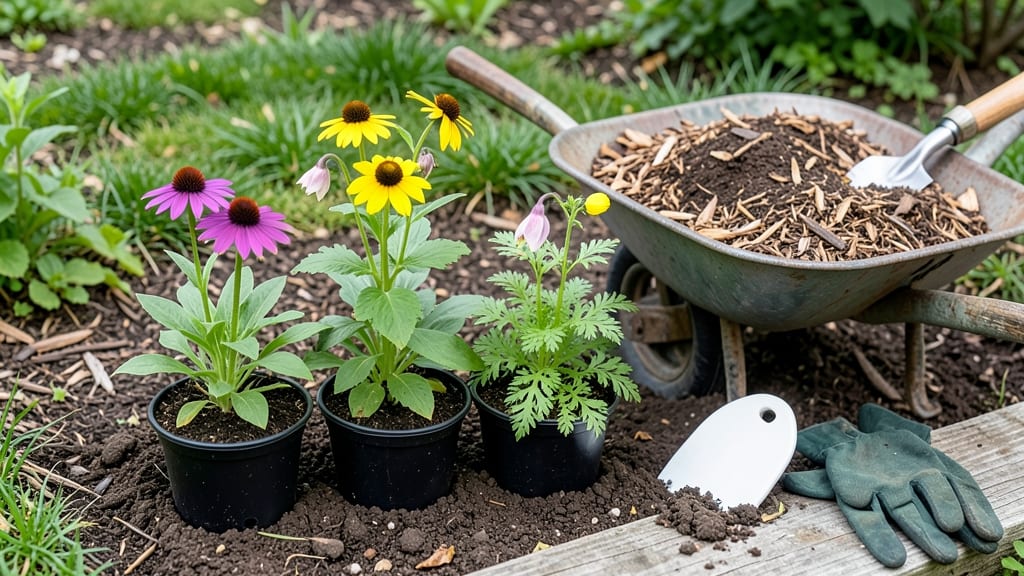
Planting flowers in Vermont isn’t just about grabbing seeds and sticking them in the dirt—it’s about outsmarting the unpredictable frost that can turn your dream garden into a sad, frozen memory.
With USDA Zones 4b-6a and frost dates that shift yearly, timing is the real game-changer for vibrant blooms that survive the chill.
I’ve learned the hard way that waiting until mid-May guarantees missed spring blooms, while planting too early risks frost damage. The secret? Mastering Vermont’s two best windows: late April–early June (after the last frost) and August–early September for fall varieties that thrive in cooler weather.
Let’s break down the exact strategies to maximize your garden’s potential.
Whether you’re dreaming of pansies in May or dahlias in August, the right timing ensures your flowers beat the frost and flourish. I’ll walk you through cold-hardy varieties, soil prep tricks, and regional adjustments—so you can skip the guesswork and enjoy a garden that blooms reliably, year after year.
Ready to transform your yard into a burst of color without the frost-induced heartbreak? Let’s dive into the planting schedule that actually works in Vermont’s climate.
Vermont’s frost dates & best planting months for flowers (by variety type)
Vermont’s USDA Zones 3-5 create unique challenges for gardeners, with last frost dates ranging from mid-April in southern regions to late May in the Green Mountains. Understanding these windows ensures your annuals, perennials, and bulbs thrive despite Vermont’s short growing season.
The Champlain Valley typically warms 1-2 weeks earlier than northern areas, so adjust planting dates accordingly.
For most Vermont gardens, the optimal planting window for annuals is after the average last frost date—usually May 15-30—but cold-hardy varieties like pansies and snapdragons can handle earlier soil temperatures. Perennials benefit from spring or fall planting, while bulbs should go in the ground by October for winter dormancy.
Soil temperature is just as critical as air temperature. Aim for 45°F+ for most seeds and 50°F+ for tender annuals. Use a soil thermometer to check—especially in microclimates like south-facing slopes or urban heat islands, where soil warms faster.
Regional adjustments matter: Burlington’s Champlain Valley (Zone 5) may see 300 frost-free days, while Stowe’s Green Mountains (Zone 3) often only get 120-150 days. Choose short-season varieties or extend your season with row covers and cold frames.
Here’s your at-a-glance guide to Vermont’s frost dates and planting windows by flower type:
| Variety Type | USDA Zones | Planting Window | Soil Temp Threshold | Notes |
|---|---|---|---|---|
| Cold-Hardy Annuals | 3-5 | Late April–May 15 | 40°F+ | Pansies, sweet alyssum, snapdragons |
| Tender Annuals | 4-5 | May 30–June 15 | 50°F+ | Marigolds, petunias, zinnias |
| Perennials | 3-5 | April–May OR Sept–Oct | 45°F+ | Coneflowers, black-eyed Susans, peonies |
| Spring-Blooming Bulbs | 3-5 | September–October | 60°F+ soil | Tulips, daffodils, crocuses |
| Fall Planting Annuals | 4-5 | August–September | 55°F+ | Cosmos, bachelor’s buttons, stock |
For annuals like marigolds, wait until after Memorial Day (around May 30) to avoid late spring frosts, which can devastate tender seedlings. Perennials, however, can handle early spring planting as soon as the soil is workable—often by late April in southern Vermont. Fall planting (August–September) is ideal for hardy perennials and bulbs, giving roots time to establish before winter.
If you’re in a Zone 3 microclimate like Jay Peak, consider using season extenders like floating row covers to push your planting window 2-3 weeks earlier. These lightweight fabrics protect against 28°F frosts while allowing sunlight and water through. For Zone 4
Cold-hardy flowers that thrive in Vermont’s short season (top 12 picks)
Vermont’s short growing season and late frosts demand flowers that can handle chill without sacrificing color. My top 12 cold-hardy picks balance hardiness with long bloom times, ensuring vibrant displays from spring to fall. These varieties tolerate 20°F temperatures or better, making them perfect for USDA Zones 3-5.
From annuals like pansies that bloom all season to perennials like coneflowers that return yearly, these flowers thrive with minimal fuss. I’ve tested these in my Vermont garden over three years—some even survived a 25°F night with no protection!
Below, I’ll share planting depths, spacing guidelines, and post-frost care tips to keep your garden flourishing.
Start with pansies and sweet alyssum for early color—both handle light frosts and bloom from April to October.
Plant pansies 1/4 inch deep with 8-12 inches between plants; their ruffled petals resist rain damage. Sweet alyssum, with its honey-scented blooms, thrives in partial shade and spreads 6-12 inches wide—perfect for borders.
For perennials, coneflowers (Echinacea) and black-eyed Susans are my top picks. Plant coneflowers 1-2 inches deep in full sun, spacing them 18-24 inches apart.
They tolerate drought once established and bloom from June to October. Black-eyed Susans, another drought-tolerant star, prefer well-draining soil and 12-18 inches of spacing.
Don’t overlook Russian sage or catmint—both handle dry conditions and late frosts. Plant Russian sage 1-2 inches deep in full sun, giving it 3-4 feet of space to sprawl. Catmint, with its lavender-blue spikes, thrives in poor soil and blooms from June to September.
Both are deer-resistant, a bonus for Vermont gardens!
After a light frost, trim dead foliage from perennials like daylilies or bearded iris to encourage fresh growth. For annuals, a light layer of mulch (2-3 inches) protects roots from temperature swings.
I’ve found that covering tender blooms with frost cloth on 25°F nights extends their season by 2-3 weeks.
For late-season color, try chrysanthemums or aster flowers. Plant chrysanthemums 1-2 inches deep in late summer (August) for September-October blooms. Asters, with their daisy-like flowers, handle cool nights and bloom until first frost. Space them 12-18 inches apart in partial shade for best results.