
Trees
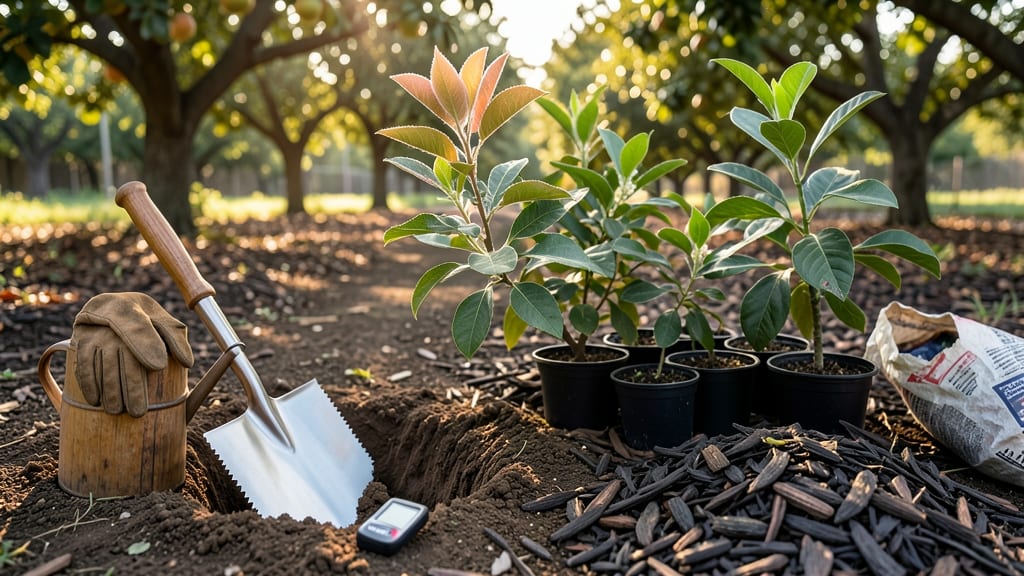
Planting fruit trees at the wrong time in South Africa can turn your 🌱 thriving orchard dreams into a costly lesson—especially when frost sneaks in or summer heat bakes young roots before they establish.
The key isn’t just picking a season; it’s matching your region’s microclimate to the tree’s tolerance, whether you’re in frost-prone Cape Town or subtropical KwaZulu-Natal.
I’ve seen firsthand how a two-week delay in planting citrus can mean the difference between a lush harvest and a sad, frost-nipped sapling. But here’s the good news: with the right timing, even beginners can grow fruit trees that flourish year after year.
Let me walk you through the exact windows—broken down by region and tree type—so you can plant with confidence.
We’ll cover everything from soil prep to post-planting care, including why some trees (like avocados) hate winter chill and how to protect them. Whether you’re a backyard gardener or a small-scale farmer, these insights will help you avoid common mistakes that derail even the most well-intentioned orchards.
Ready to turn your garden into a fruit-bearing paradise? Let’s dive into the perfect planting months for South Africa’s most popular fruit trees—and how to keep them thriving once they’re in the ground.
South Africa’s fruit tree planting zones: frost-free deadlines by region
South Africa’s diverse climate—from frost-prone Western Cape to subtropical KwaZulu-Natal—creates wildly different planting windows for fruit trees. The key? Planting after the last frost and when soil temperatures hit 15°C (59°F).
In colder regions like Durbanville, this could be as late as October, while in warmer Pietermaritzburg, you might start as early as August. Missing these windows risks frost damage or heat stress.
Each of South Africa’s 10 heat zones has unique frost-free deadlines. For example, Cape Town’s Zone 8 has a frost-free date around September 15, while Nelspruit’s Zone 9 rarely experiences frost. Understanding these deadlines ensures your fruit trees establish roots before extreme weather hits.
Soil temperature is just as critical as air temperature. Use a soil thermometer to confirm it’s above 15°C (59°F)—below this, roots struggle to grow. In high-altitude areas like Pretoria, wait until mid-October to avoid late frosts. Meanwhile, coastal regions like George can plant as early as July.
Here’s a quick guide to frost-free deadlines by region, including ideal planting months and soil temperature thresholds:
| Region | Heat Zone | Frost-Free Deadline | Ideal Planting Months | Soil Temp Threshold | Risk Level |
|---|---|---|---|---|---|
| Western Cape (Cape Town) | Zone 8 | Mid-September | September–October | 15°C (59°F) | High (late frosts) |
| KwaZulu-Natal (Pietermaritzburg) | Zone 9 | August (rare frost) | August–September | 18°C (64°F) | Low (subtropical) |
| Gauteng (Pretoria) | Zone 7 | Mid-October | October–November | 16°C (61°F) | Medium (altitude risks) |
| Eastern Cape (George) | Zone 9 | July (coastal) | July–August | 17°C (63°F) | Low (mild winters) |
| Limpopo (Polokwane) | Zone 6 | November | November–December | 14°C (57°F) | High (cold winters) |
| Mpumalanga (Nelspruit) | Zone 9 | Year-round (no frost) | Any month | 20°C (68°F) | None |
In high-risk frost areas like Durbanville, delay planting until you’ve confirmed 3 consecutive frost-free days. Use a minimum thermometer to track nighttime temperatures—any dip below 0°C (32°F) can kill young roots. For citrus trees, which are frost-sensitive, wait until November in Zone 7 regions.
Soil preparation is equally vital. Amend heavy clay soils with compost or sand to improve drainage, especially in winter rainfall areas like the Western Cape. Test your soil’s pH—most fruit trees thrive in 6.0–7.0. In acidic soils (common in KwaZulu-Natal), add lime before planting.
Container planting offers flexibility in frost-prone zones. Move potted trees indoors or under cover during winter nights. Choose dwarf varieties like ‘Dwarf Navel Orange’ for easier relocation. In Zone 6 (e.g., Polokwane), plant in December to avoid early frosts, but mulch heavily to retain heat.
Monitor weather forecasts in
Best fruit trees for South Africa’s climate: planting months by variety
South Africa’s climate offers perfect conditions for a diverse range of fruit trees, but timing is everything. Citrus varieties like oranges and lemons thrive in subtropical regions, while stone fruits such as peaches and plums need cooler climates. Mangoes and avocados demand precise planting windows to avoid frost damage or heat stress.
Let’s break down the best months to plant each variety and how to prep your soil for success.
For citrus trees, the ideal planting window spans from August to October in most regions. This aligns with the spring rainy season in summer rainfall areas, ensuring your tree gets enough moisture to establish roots.
In winter rainfall zones like the Western Cape, plant between March and May to avoid summer drought stress. Avocado trees follow a similar schedule but require well-draining soil to prevent root rot—a common issue in heavy clay soils.
Stone fruits like peaches, plums, and apricots need cooler conditions, so plant them between May and July in frost-free zones.
These trees benefit from cool winter dormancy and require cross-pollination for fruit set. Subtropical fruits, including mangoes and lychees, should go into the ground from September to November, avoiding the hottest summer months when young roots struggle to establish.
- 🍊 Citrus (oranges, lemons): August–October (spring) or March–May (autumn) in winter rainfall areas. Soil temp: 18–24°C.
- 🥑 Avocados: September–November (spring). Well-draining soil is critical—amend clay with compost and sand.
- 🍑 Stone fruits (peaches, plums): May–July (winter). Frost protection needed in cooler zones.
- 🥭 Mangoes: September–October (spring). Avoid summer planting—roots need consistent moisture.
- 🍈 Subtropical (lychees, guavas): August–September (late winter). Mulch heavily to retain moisture.
Before planting, test your soil’s pH—most fruit trees prefer 6.0–7.0. Citrus and avocados tolerate slightly acidic soil, while stone fruits thrive in neutral to alkaline conditions.
Mix in organic matter like compost or well-rotted manure to improve drainage and fertility. For container-grown trees, use a light, fast-draining potting mix with perlite or vermiculite.
After planting, water deeply to settle the soil and remove air pockets. Mulch around the base with wood chips or straw to retain moisture and suppress weeds. Young trees need regular watering (2–3 times per week) until established, while mature trees require deep, infrequent watering to encourage strong root growth.
Avoid overhead watering to prevent fungal diseases like anthracnose, common in humid subtropical regions.
Prune newly planted trees lightly to encourage branching, but avoid heavy cuts that stress the plant. Fertilize with a balanced fruit tree fertilizer (e.g., 3:1:2 NPK ratio) in spring and early summer to support growth. Citrus trees benefit from zinc and iron supplements if leaves show yellowing between veins—a sign of deficiency.
Monitor for pests like aphids or scale insects and treat early with neem oil or horticultural soap.
With the right timing and care, your fruit trees will thrive in South Africa’s varied climates. Whether you’re growing sweet oranges in KwaZulu-Natal or peaches in the Free State, following these guidelines ensures strong root establishment and bountiful harvests for years to come. 🌳