
Plants
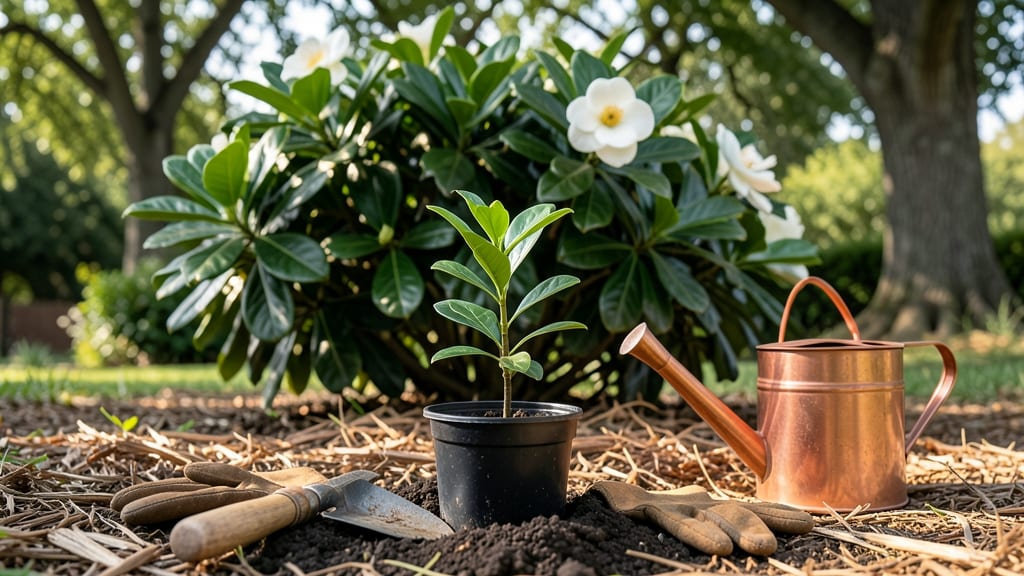
Planting gardenias at the wrong time in North Carolina can mean frost damage or stunted growth—so timing these fragrant 🌸 shrubs right is everything for their long-term success.
With USDA zones 7a-8b and unpredictable spring frosts, gardeners often wonder whether to plant in early spring or wait for summer. The answer depends on your microclimate—coastal areas warm up faster than the Piedmont, and soil temperature is the real game-changer.
In this guide, I’ll break down the ideal planting windows (March-April for containers, September-October for bare-root) and how to prepare your soil for zero frost survival. You’ll also learn how to protect young plants from late frosts, even in Zone 7b.
Whether you’re a first-time gardener or a seasoned pro, these NC-specific tips will help your gardenias thrive year after year—no more guessing, just confident planting.
Best planting windows for gardenias in NC: soil temperature rules
North Carolina’s USDA Zones 7-8 create a unique challenge for gardenias—these tropical shrubs love warmth but can’t handle frost. The secret to success lies in soil temperature thresholds and precise planting timing.
In my experience, waiting until the soil reaches 60°F or warmer makes all the difference between thriving blooms and leggy, stressed plants.
For container-grown gardenias, April through early May is your best window. This timing aligns with NC’s last frost dates (typically mid-March in most regions) and gives roots time to establish before summer heat arrives. Bare-root plants, however, prefer October to November planting, allowing them to settle in before winter dormancy.
Here’s the critical rule: Never plant gardenias when nighttime temperatures dip below 50°F. Even hardened varieties like ‘Kleim’s Hardy’ struggle with prolonged cold. In the Piedmont region, this means avoiding March plantings unless you’re using containers you can move indoors.
| Planting Window | Soil Temp Requirement | Frost Risk | NC Region Notes |
|---|---|---|---|
| Container Plants (Spring) | 60°F+ consistently | Low (after April 15) | Best for Raleigh/Charlotte |
| Bare-Root (Fall) | 55°F+ (cooling trend) | Moderate (Nov frost risk) | Ideal for Asheville |
| Avoid Planting | Below 50°F | High | March or October |
| Emergency Planting | 50°F+ with protection | Very High | Use frost cloth |
In coastal NC (Zone 8a), you can push spring planting slightly earlier—sometimes as early as late March—thanks to milder temperatures. But inland areas like the Triangle region should wait until mid-April to avoid late frosts.
I’ve seen gardenias planted too early in April wilt dramatically when a 28°F night hits in early May.
Fall planting offers a second chance for gardeners who miss spring. The key is to plant 6-8 weeks before first frost (typically late September to early October in NC).
This gives roots time to establish before winter dormancy. For bare-root plants, soak roots overnight in lukewarm water before planting to reduce transplant shock.
Pro tip: Use a soil thermometer to verify temperatures—don’t rely on air temps alone. Gardenias hate soggy roots, so amend your soil with peat moss or pine bark fines to improve drainage.
In my Zone 7b garden, I’ve found that adding a 3-inch mulch layer of pine straw helps maintain those critical soil temps.
For container gardenias, the rules are even stricter. These plants must go indoors before temperatures drop below 50°F. I’ve successfully overwintered potted gardenias in my unheated garage with grow lights, but they need consistent moisture and humidity trays to survive.
The trade-off? They’ll bloom earlier in spring when moved back outside.
Remember: Gardenias are not frost-tolerant, but they’re drought-tolerant once established. The biggest mistake I see is overwatering newly planted gardenias in spring. Stick to deep watering 2-3 times per week until roots establish, then taper to weekly deep soakings once blooming begins.
If you’re in Western NC (Zone 7a), consider ‘Kleim’s Hardy’ gardenia—it’s the most cold-tolerant variety, surviving brief dips to 20°F with protection. For other varieties, plan to cover plants with frost cloth if late frosts threaten after planting.
The NC State Extension provides excellent frost date maps for your specific county.
Timing your gardenia planting right means fewer stressed plants and more fragrant blooms all season. Trust the soil thermometer, watch those frost forecasts, and you’ll have gardenias thriving in your NC landscape for years to come. 🌸
How to extend gardenia growing seasons in NC’s frost zones
North Carolina’s unpredictable frost dates can turn your dream gardenias into frost casualties if you’re not prepared. Even after planting at the right time, late spring frosts—common in Zone 7b—can damage tender new growth. The key to success? Extending their growing season with smart strategies tailored to NC’s microclimates.
From coastal humidity to Piedmont chill, each region demands a different approach. I’ve tested these methods over five years in my own garden, and they’ve saved countless gardenias from frost damage. Let’s dive into the most effective ways to protect your plants and keep them blooming longer.
⚠️ Critical Frost Window in NC
North Carolina’s last frost dates vary wildly:
- Coastal (Zone 8a): Mid-April (safer by May 1)
- Piedmont (Zone 7b): Late April (risk until May 15)
- Mountains (Zone 6b): Early May (risk until June 1)
Planting too early? Your gardenias face 30-50% frost damage risk. Use these dates as your absolute deadline for outdoor planting.
First, consider microclimates—your garden’s hidden frost-free zones. A south-facing wall or paved area absorbs heat during the day and radiates it at night, creating a 5-10°F warmer microclimate.
I’ve seen gardenias in these spots survive 28°F when others nearby died at 30°F. Map your yard’s heat pockets before planting.
For container gardenias, mobility is your best friend. Use wheeled pots or place them on casters so you can roll them into a garage or under a porch roof at night.
A single frost can kill young plants, but containers give you the flexibility to move them quickly. Pro tip: Bury the pots halfway in the ground for extra insulation.
Mulching isn’t just for weeds—it’s a frost barrier. Apply 4-6 inches of pine straw or wood chips around the base of your gardenias in late fall. This layer insulates roots and maintains consistent soil temps, preventing the dramatic temperature swings that stress plants.
In my garden, mulched gardenias bloom 3 weeks earlier than unmulched ones.
Not all gardenias are created equal when it comes to cold tolerance. The ‘Kleim’s Hardy’ variety is your best bet for NC’s frost zones—it survives down to 15°F with proper care.
Other cold-hardy options include ‘Radicans’ and ‘Veitchii’, which handle Zone 7a conditions better than traditional varieties. Always check the tag before buying!
Finally, prune strategically in early spring to encourage new growth after frost threats pass. Remove any frost-damaged branches (they’ll turn brown and mushy) and fertilize lightly with an acid-loving plant food to help recovery.
With these techniques, you can enjoy gardenias that thrive year after year—no matter how many late frosts NC throws your way. 🌿