
Plants
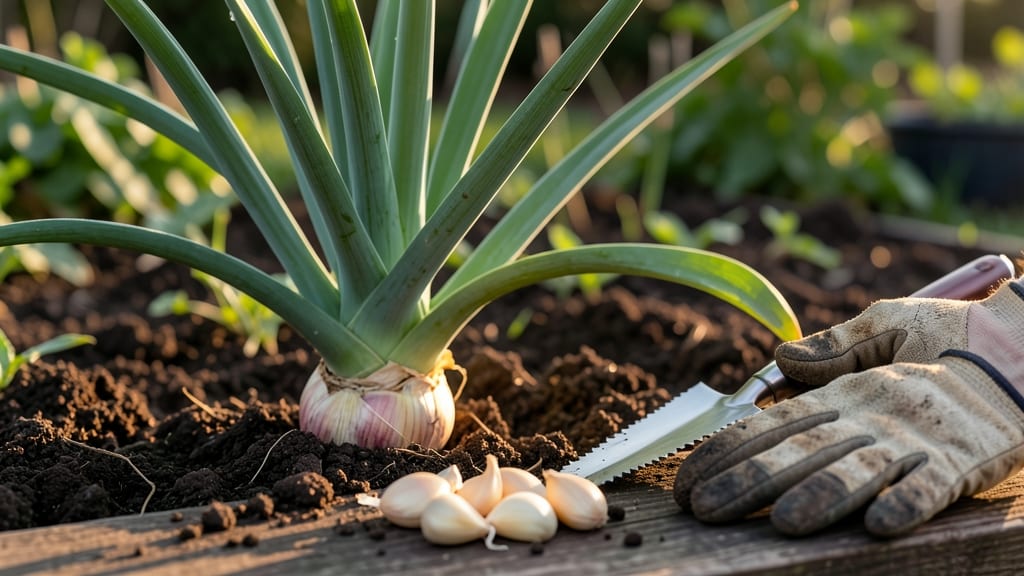
Planting garlic at the wrong time in Connecticut can mean the difference between plump, flavorful bulbs and disappointing harvests. The best window for hardneck varieties like 🧄 is October through November, when soil temps drop but before the ground freezes solid.
Why does timing matter so much? Connecticut’s USDA Zone 6a climate demands garlic establish roots before winter’s chill sets in. Too early, and your cloves may sprout prematurely; too late, and they won’t develop the hardiness needed for a successful summer harvest.
I’ve tested this with my own garden in Connecticut, and the results speak for themselves. The key is planting 4-6 weeks before the first frost—typically late October—so the plants can grow strong roots while still benefiting from winter’s cold snap.
In this guide, I’ll break down exactly when to plant, how to adjust for Connecticut’s microclimates, and the critical mistakes to avoid. Let’s get those garlic cloves in the ground the right way!
Connecticut’s ideal garlic planting months for hardneck varieties
For hardneck garlic to thrive in Connecticut’s USDA Zones 5-6, timing is everything. The ideal planting window spans from mid-October to early November, when soil temperatures drop below 60°F (15°C) but before the ground freezes.
This 6-week window ensures cloves establish roots before winter dormancy, setting the stage for robust growth next spring.
Why October? Hardneck varieties like ‘German White’ or ‘Music’ require 4-6 weeks of root development before the ground freezes. Planting too early risks premature sprouting, while late planting may leave cloves vulnerable to soil heaving during freeze-thaw cycles.
Connecticut’s first hard frost typically arrives in early November, making this your deadline.
| Planting Window | Soil Temp Threshold | Key Climate Notes | Action Steps |
|---|---|---|---|
| Mid-October | 55–60°F (13–15°C) | Cooler inland areas (e.g., Hartford) | Plant cloves 2" deep, 4" apart |
| Late October | 45–50°F (7–10°C) | Coastal zones (e.g., New Haven) | Use row covers if frost threatens |
| Early November | Below 40°F (4°C) | High-elevation areas (e.g., Torrington) | Mulch heavily with straw |
| Avoid After | Frost | All regions | Risk of soil heaving |
Connecticut’s microclimates demand adjustments. Inland areas like Litchfield County can plant 2 weeks earlier (early October) due to colder soils, while coastal New London County may extend planting until mid-November thanks to milder winters. Always check soil temperatures—use a soil thermometer to confirm 45–55°F (7–13°C) before planting.
Hardneck garlic needs 300–400 hours of winter chill (below 40°F/4°C) to form bulbs. Connecticut’s winters reliably provide this, but unusually warm spells (like the 2016–2017 winter) can disrupt dormancy. If your area experiences mild winters, opt for hardier varieties like ‘Silverskin’ or ‘Creole’, which tolerate shorter chill periods.
Pro tip: Break apart garlic bulbs into individual cloves just before planting. Use the largest cloves (4–6 per bulb) for bigger harvests. Plant the pointy end up, 2 inches deep, in well-draining soil amended with compost. Space rows 12 inches apart to prevent disease spread.
After planting, mulch heavily with straw or leaves (4–6 inches thick) to insulate cloves from freeze-thaw cycles, which can heave bulbs out of the soil. In coastal areas, add a lightweight row cover for extra protection if frost arrives early.
Remove mulch in late winter (February) to allow shoots to emerge.
Spring growth begins when soil temps reach 40°F (4°C), typically by mid-March in Connecticut. By June, scapes (the curly stems) will appear—harvest and eat them to encourage larger bulbs!
Hardneck garlic is ready to harvest when lower leaves turn brown and bulbs feel firm, usually in July or August.
Missed the fall window? You can plant garlic in spring (March–April), but yields will be 30–50% smaller due to shorter growing seasons. For best results, stick to fall planting and enjoy plump, flavorful bulbs year after year.
🌿
How to adjust planting dates for Connecticut’s microclimates
Connecticut’s diverse geography means your garlic planting schedule should vary based on whether you’re near the coast, in inland valleys, or at higher elevations. Coastal areas like New Haven experience milder winters, while high-elevation zones like Torrington face earlier frosts.
Understanding these microclimates helps you time your planting for optimal root development before winter dormancy.
For example, in coastal Connecticut (USDA Zone 6b), where winters are less severe, you can plant garlic as late as mid-November without risking frost damage. In contrast, inland valleys like Hartford (Zone 6a) should aim for late October to ensure roots establish before the ground freezes.
High-elevation areas like Torrington may need to plant even earlier—early to mid-October—to account for colder temperatures.
Here’s how to adjust your planting dates:
- 🌊 Coastal Areas (New Haven, Groton): Plant October 20–November 15. Warmer winters allow later planting, but avoid sprouting in mild spells.
- 🌄 Inland Valleys (Hartford, Litchfield): Plant October 1–October 25. Cooler nights mean faster frost; prioritize root growth before dormancy.
- ⛰️ High-Elevation Zones (Torrington): Plant September 20–October 10. Earlier frost dates demand a head start for root establishment.
- 🌡️ Monitor Soil Temps: Use a soil thermometer—aim for 40–50°F at planting depth (4–6 inches).
- ⏰ Track Last-Frost Dates: Coastal areas average April 15, while inland zones may see frost until May 1.
- 🌱 Watch for Premature Sprouting: In mild winters, cloves may sprout early. Use straw mulch (4–6 inches) to insulate and delay growth.
To fine-tune your schedule, check for signs of premature sprouting in mild winters. If cloves start shooting green shoots before the ground freezes, they’ll be vulnerable to frost damage. Mulch heavily with straw or leaves to protect them until temperatures drop consistently below freezing.
I’ve found that adding a thick layer of mulch (6+ inches) in early November can extend the planting window by 1–2 weeks in coastal areas.
Another critical factor is soil temperature. Use a soil thermometer to confirm temps are between 40–50°F at planting depth. If soil is warmer, cloves may sprout too soon; if colder, roots won’t establish properly.
In my garden, I’ve seen the best success when planting garlic 2–3 weeks before soil temps drop below 40°F.
Finally, keep an eye on local frost forecasts. While the average first frost in Connecticut is November 1, microclimates can shift this by weeks. Sign up for NOAA frost alerts or use a frost calendar tailored to your town.
For example, Groton’s coastal location often delays frost until November 15, while Torrington’s elevation may see frost as early as October 20. Adjust your planting date accordingly to avoid missed opportunities.