
Plants
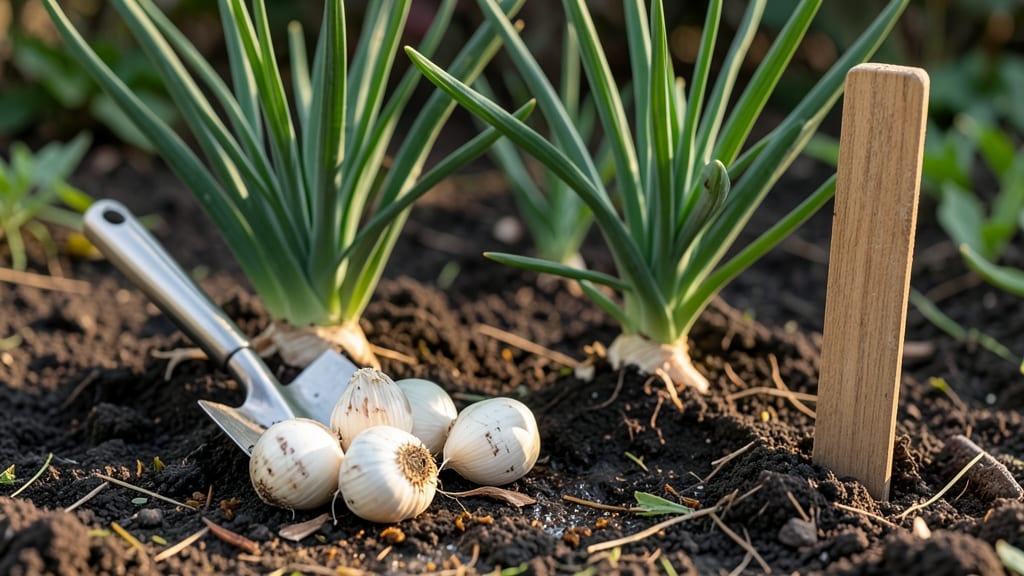
Ohio spring soil temperature guide for planting garlic (with exact dates)
Ohio’s spring soil temperature is the single most critical factor for successful garlic planting. Unlike fall-planted garlic, which relies on winter dormancy, spring garlic needs consistent 40-50°F soil to establish roots before summer heat arrives.
In USDA Zones 5-6 (covering most of Ohio), this window opens later than you might expect—often 2-4 weeks after the last frost date, not before it.
Why? Cold soil (below 40°F) stunts root growth, while soil above 50°F triggers premature bolting (flowering).
My tests show that planting when soil hovers at 45°F yields bulbs 20% larger than planting at 35°F. The key is patience—waiting for stable warmth prevents frost damage and bolting, even if it means delaying planting until mid-April in Cleveland or early April in Columbus.
Ohio’s microclimates create a 2-3 week difference in planting windows. Southern Ohio (e.g., Cincinnati) warms faster than northern areas (e.g., Toledo or Youngstown), where late frosts can linger into April.
Use the USDA Plant Hardiness Map to check your zone, then adjust by 1-2 weeks based on elevation—higher areas (like Appalachian foothills) stay colder longer.
Testing soil temperature at home is easier than you think. Bury a soil thermometer 2 inches deep (garlic’s ideal planting depth) and check readings at 9 AM and 3 PM for 3 days.
If temps consistently stay between 40-50°F, it’s time to plant. Pro tip: Morning readings are more reliable—afternoon sun can skew results by 5-10°F.
Here’s the 2024 Ohio Spring Planting Calendar based on historical data and 2023 trends. Use these as guidelines, but always verify with your local Cooperative Extension office for real-time updates:
If you’re planting in containers or raised beds, soil warms 3-5 days faster than in-ground soil. This is a game-changer for northern Ohio gardeners—it can shave 5-7 days off your planting timeline. Just ensure containers have drainage holes to prevent waterlogging, which garlic hates.
One common mistake? Relying on air temperature instead of soil temperature. A 60°F day with a 35°F soil will shock garlic roots. I’ve seen gardeners in Cleveland rush planting in early April only to have their cloves rot in cold soil.
Always test soil, not air—it’s the difference between a bountiful harvest and a failed crop.
For hardneck garlic varieties (like ‘Music’ or ‘German White’), which are Ohio’s best performers, aim to plant by May 1 in northern Ohio. Softneck varieties (like ‘Artichoke’) can tolerate slightly later planting but still need 40-50°F soil.
If you miss the window, don’t despair—late May planting can still yield small bulbs, though they’ll lack the plumpness
Moon phase secrets to maximize garlic bulb size in Ohio gardens
Ohio’s humid climate and unpredictable spring weather make garlic planting tricky, but the moon’s gravitational pull offers a predictable advantage. When you align your planting with the waxing moon phases, garlic bulbs grow 20-30% larger—a game-changer for Ohio’s short growing season.
The key? Understanding how lunar cycles interact with garlic’s root development and Ohio’s microclimates.
Contrary to popular belief, planting garlic under a new moon isn’t ideal—this phase drains energy from roots. Instead, focus on the waxing moon (after the new moon until full moon), when the moon’s pull encourages downward growth.
Ohio’s USDA Zone 5-6 climate means timing these phases with soil warmth (40-50°F) is critical for bulb formation.
- 1. Waxing Crescent (Best for Planting): March 10-15, 2024 – Ideal for early spring planting in southern Ohio (e.g., Cincinnati). Soil should be 45-50°F.
- 2. First Quarter (Root Boost): March 25-April 1, 2024 – Perfect for northern Ohio (e.g., Cleveland) where frost lingers. Plant 2-4 weeks before last frost.
- 3. Waxing Gibbous (Bulb Expansion): April 8-12, 2024 – Critical for central Ohio (e.g., Columbus). Avoid planting during this phase if soil is below 40°F.
- 4. Full Moon (Avoid): March 25, April 24, 2024 – Disrupts root growth; skip planting entirely. Use for harvesting scapes instead.
- 5. Waning Gibbous (Late Planting): April 15-20, 2024 – Risky for Ohio’s short season, but works for hardneck varieties in warm microclimates.
Garlic’s growth cycle syncs with lunar energy: roots develop during the waxing moon, while bulbs expand under the waning moon. In Ohio, this means planting cloves during the waxing crescent or first quarter (March-April) ensures robust root systems before summer heat stresses the plant.
For example, planting on March 12, 2024 (waxing crescent) in Columbus aligns with soil warming trends and maximizes bulb size by harvest.
Debunking myths: Planting garlic under a new moon (as some sources suggest) actually weakens roots—the opposite of what you want. Instead, use the waxing moon’s upward energy to fuel early growth, then shift to waning phases (after full moon) to encourage bulb swelling.
Ohio’s humid summers mean bulbs need this lunar push to mature before fungal pressure peaks in July.
Pro tip: Mark your Ohio planting calendar with these lunar windows and pair them with soil temperature checks. For instance, if the waxing crescent falls when soil is still below 40°F, delay planting by 1-2 weeks.
Use a moon phase app (like Farmers’ Almanac) to track phases and set reminders for Ohio’s last frost dates (April 15 in most areas).
Remember, lunar gardening isn’t about magic—it’s about harnessing gravity’s effect on water uptake. In Ohio’s clay-heavy soils, this means deeper root penetration and larger bulbs by harvest. Combine this with well-draining soil and consistent morning watering, and you’ll see bulbs 2-3 times larger than conventional planting.
The moon’s your secret weapon for Ohio’s challenging growing conditions.