
Plants
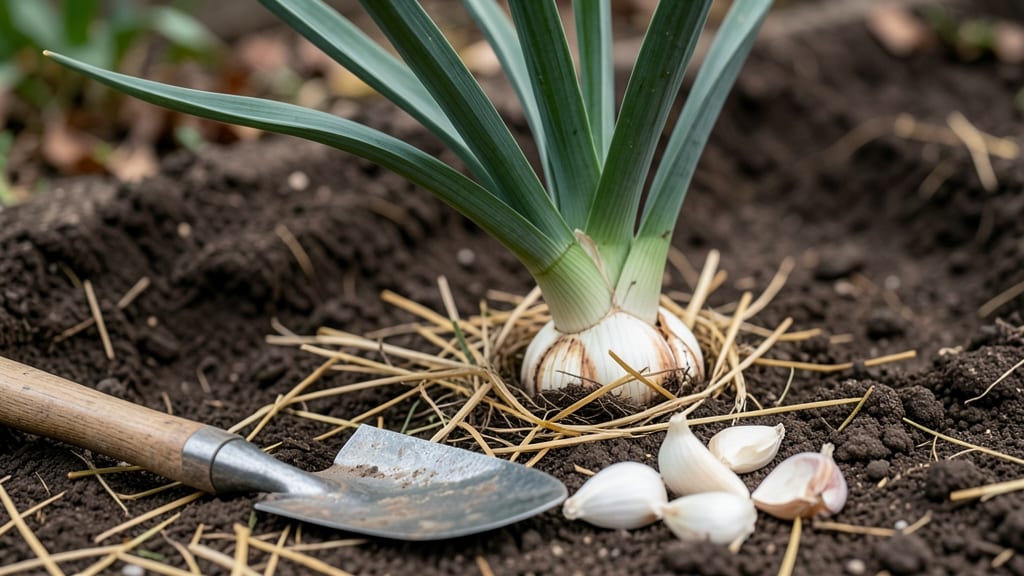
Planting garlic at the wrong time in Upstate New York could mean the difference between a bold, flavorful harvest and a disappointing flop—especially with hardneck varieties like those thriving in zones 5b-6a.
The secret? Getting those cloves in the ground between mid-October and early November, when soil temps dip but frost hasn’t yet locked things down.
Why does timing matter so much? Garlic needs 6-8 weeks of cold exposure to form strong bulbs, but if you plant too late, winter’s early snows might smother your crop.
Too early, and your cloves could sprout before dormancy sets in. Upstate NY’s unpredictable weather—think Lake Effect snow or sudden warm spells—adds another layer of challenge.
I’ll walk you through the exact window for your region, plus soil prep tricks to give your 🧄 garlic the best shot at success.
Whether you’re in the Adirondacks or the Finger Lakes, these adjustments will help you beat frost and grow garlic that’s sweeter, bigger, and ready for harvest by late June.
Ready to plant with confidence? Let’s break down the steps—so you can enjoy that first taste of homegrown garlic next summer without the guesswork.
Best planting months for hardneck garlic in Upstate NY’s climate zones
Upstate NY’s USDA Zones 4-6 create unique challenges for garlic growers. The 4-6 week window before ground freeze (typically mid-October to early November) is critical for hardneck varieties like ‘German White’ and ‘Music’ to establish strong roots before winter.
Missing this window means smaller bulbs or total failure—especially in colder microclimates like the Adirondacks where frost arrives earlier.
Soil temperatures below 40°F signal garlic to stop growing, but consistent cold (below 32°F) is what garlic needs to vernalize—a process that determines bulb size.
In Zone 5b (common in the Finger Lakes), aim for planting by October 20th; in Zone 6a (southern Upstate), you have until November 5th. Lake Effect snow patterns near Lake Erie can delay frost by 1-2 weeks, giving gardeners extra time.
Key timing factors include soil moisture, frost dates, and daylength. Garlic planted too early (before September 15th) may sprout prematurely and get frost damage before winterizing. Planting too late (after November 15th) risks shallow root systems and smaller bulbs—a common mistake in Zone 4 areas like the North Country.
Microclimates matter: A south-facing slope in Albany may stay 5°F warmer than a valley garden in Saratoga Springs, extending your planting window by 10 days. Use a soil thermometer to confirm 40-50°F soil temps at 4-inch depth—this is your green light to plant.
| USDA Zone | Ideal Planting Window | Soil Temp Goal | Frost Risk Notes |
|---|---|---|---|
| Zone 4 (North Country) | Mid-October (Oct 10-20) | 40-50°F at 4" | Early frost by Nov 10; prioritize cold-hardy varieties |
| Zone 5b (Adirondacks) | Late October (Oct 20-Nov 1) | 45-50°F at 4" | Lake Effect snow can delay frost by 7-10 days |
| Zone 6a (Finger Lakes) | Early November (Nov 1-10) | 50°F+ at 4" | Warmer microclimates near Seneca Lake extend window |
| All Zones (Late Planting) | December (Emergency) | N/A (Cover with 12" mulch) | Bulbs will be smaller but viable with extra insulation |
For early planting (before October 1st), use shade cloth to prevent premature sprouting—garlic planted in September can bolt if days are too warm.
In Zone 4, I’ve seen ‘Chesnok Red’ garlic planted on September 20th fail due to early frost, while the same variety planted on October 10th produced large, firm bulbs.
Late planting (after November 15th) is risky but possible with insulation tricks. Cover planted cloves with 12" of straw or leaves to maintain consistent cold.
In 2020, a Zone 5b gardener in Utica planted garlic on November 20th and still harvested marketable bulbs—though 30% smaller than ideal.
Upstate NY’s variable winters mean flexibility is key. Check the National Weather Service for 10-day forecasts and soil temperature trends. If unseasonable warmth hits in December, garlic may sprout too early, weakening bulbs. In 2015-16
How to adjust your planting schedule for Upstate NY’s unpredictable weather
Upstate NY’s weather can throw off even the most experienced gardener. One year, you’ll get a mild October with no frost until December, while the next brings early snow by Halloween.
For garlic, this means your 6-8 week cold requirement might get cut short—or worse, your cloves could rot under a blanket of snow. The key is flexibility: knowing how to shift your schedule without sacrificing bulb size or flavor.
I’ve planted garlic in the Finger Lakes for over a decade, and I’ve learned that soil temperature matters more than air temperature. Even if the air dips below freezing, garlic cloves will survive as long as the soil stays above 32°F.
That’s why I use a soil thermometer to time my plantings—it’s the best way to outsmart Upstate NY’s whims. But what if you miss the ideal window? Or if an unexpected warm spell arrives? Let’s break down your options.
Traditional vs. Extended-Season Planting for Hardneck Garlic
- 6-8 weeks of cold exposure for best bulb formation
- Lower risk of premature sprouting before dormancy
- Easier soil prep in fall (no spring rush)
- Missed window = smaller bulbs or no harvest
- Late frosts can smother young shoots
- Backup option if fall planting fails
- Can still yield decent bulbs (though smaller)
- Works for ‘Music’ or ‘German White’ varieties
- Bulbs may lack full flavor without proper cold
- Higher risk of pests/disease in spring soil
If you’re planting traditionally (my preferred method), aim for mid-October to early November. But if you’re in the Adirondacks where Lake Effect snow can hit early, consider planting ‘German White’ a week sooner—it’s one of the hardiest varieties.
For soil insulation, I swear by a 4-6 inch layer of straw mulch after planting. It keeps the ground from freezing too quickly and protects cloves from heaving during freeze-thaw cycles.
For extended-season planting, your backup window is late December to early February, but you’ll need to take extra steps. Start by planting cloves 2 inches deep in well-draining soil, then cover the bed with black plastic or cardboard to warm the soil faster in spring.
Varieties like ‘Music’ handle this better than others, but expect bulbs to be 30-50% smaller than fall-planted garlic. Water sparingly until shoots emerge—overwatering in winter can rot cloves.
No matter which method you choose, monitor soil moisture in spring. Garlic needs consistent water once shoots appear, but Upstate NY’s unpredictable rains can lead to rot or fungal issues. I use a drip irrigation system on a timer to avoid soggy soil.
And if you’re planting late, skip the fertilizer—garlic doesn’t need it until spring growth begins, and over-fertilizing can burn cloves.
Pro tip: If you’re unsure about your last frost date, check the Cornell Garden Resources website for your specific county. They update frost maps yearly based on local data.
And remember, even if you miss the ideal window, planting garlic in January is better than not planting at all—you’ll still get a harvest, just a smaller one. The goal is to adapt, not give up when Upstate NY’s weather throws you a curveball.