
Plants
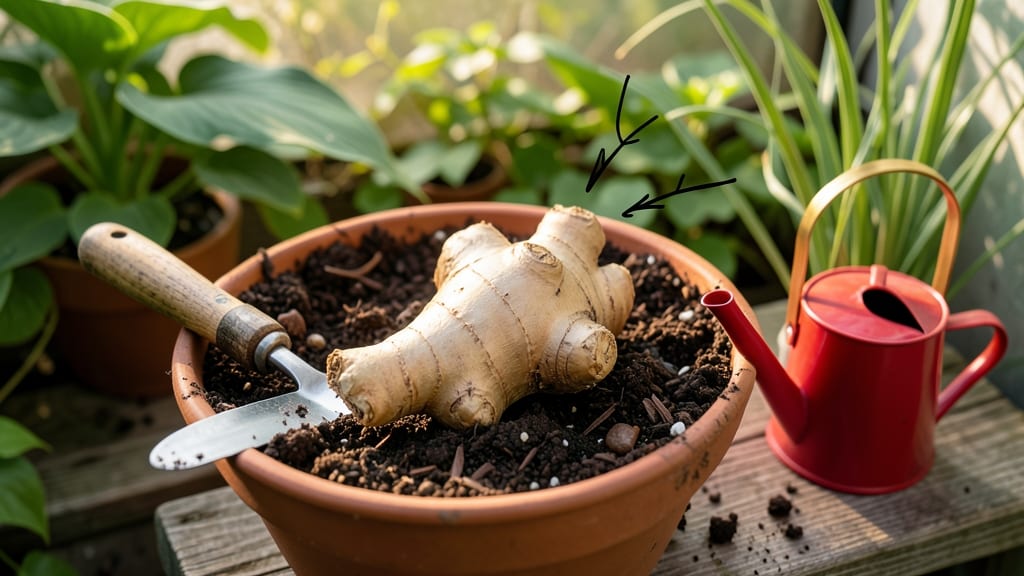
Timing your ginger planting in Zone 8 could mean the difference between a fast, bountiful harvest and months of waiting for roots that never quite develop.
Unlike many plants, ginger thrives on warm soil—not cool spring air—and getting this right ensures your rhizomes take off within 8 to 10 days instead of struggling.
Most gardeners in Zone 8 assume spring is the only window, but fall planting actually gives ginger a head start before winter. The key? Waiting until soil temperatures hit 55–65°F, which typically lands in March–April for spring or September–October for fall.
Skipping this step often leads to slow growth or even rot.
I’ve tested both timings in my own Zone 8 garden, and the results speak for themselves: ginger planted at the right soil temp doesn’t just survive—it explodes with growth.
Whether you’re a beginner or a seasoned grower, mastering this one factor will cut your wait time in half and boost your yield.
Ready to skip the guesswork? Let’s break down exactly how to check your soil, adjust for microclimates, and plant for maximum root development—no more second-guessing your harvest timing.

Optimal soil temperature ranges for planting ginger in Zone 8
Ginger thrives in Zone 8's warm climate, but planting success hinges on soil temperature—not air temperature. Your rhizomes need 55-65°F soil to establish roots quickly and avoid rot or dormancy.
In Zone 8, this window typically aligns with late winter to early spring and early fall, but exact timing depends on your microclimate.
Why does soil temperature matter? Ginger rhizomes are tropical plants that need warmth to activate growth. Below 55°F, they remain dormant, while above 70°F, they risk stress or disease.
Zone 8’s mild winters and hot summers create unique challenges—planting too early can expose ginger to cold snaps, while waiting too long may mean overheated soil.
Here’s how to check your soil temperature: Use a soil thermometer (insert 2-3 inches deep) or monitor local soil temperature forecasts. Most Zone 8 regions hit 55°F soil by mid-March, but coastal areas may be 2-3 weeks later due to ocean cooling effects.
For fall planting, aim for September-October when soil cools to 60-65°F.
| Soil Temp Range (°F) | Planting Window (Zone 8) | Microclimate Notes | Action Steps |
|---|---|---|---|
| 55-60°F | Late March - Early April | Inland areas (warmer soil) | Plant rhizomes 2" deep; mulch heavily |
| 60-65°F | Mid-April - Early May | Coastal/moderate zones | Ideal window; use shade cloth if hot |
| 65-70°F | September - Early October | Fall planting for winter harvest | Avoid if frost risk; use black plastic mulch |
| Below 55°F | February or November | Risk of dormancy or rot | Delay planting; wait for warmer soil |
| Above 70°F | June - August | Summer heat stress | Provide heavy shade; increase watering |
Adjusting your soil temperature is easier than you think. If your soil runs too cool, use black plastic mulch or compost piles to warm it 2-3 weeks faster. For overheated soil, try shade cloth or plant in raised beds with organic matter to retain moisture.
In Zone 8, inland areas (like Las Vegas) warm up faster than coastal zones (like San Diego), so monitor local trends.
Common mistakes to avoid: Planting ginger when soil is still damp from winter rains (wait until it’s dry but not baked) or assuming air temperature matches soil temp (they can differ by 10°F).
Test your soil’s moisture too—ginger needs consistently moist (not soggy) soil to grow roots. Use a moisture meter if unsure.
Pro tip: In Zone 8, fall-planted ginger often yields larger rhizomes than spring-planted because it avoids summer heat stress. Time your fall planting for September when soil temps hover around 65°F.
This gives roots 3-4 months of growth before winter slows them down. Just cover with straw mulch once temps drop below 50°F.
Remember, ginger’s root development is your priority. If soil temps stay below 55°F for more than 2 weeks, your rhizomes will refuse to sprout.
Use a soil warming mat in extreme cases, but most Zone 8 gardeners won’t need it—just time your planting right and provide consistent moisture. With the right soil temperature, your ginger will reward you with plump, aromatic rhizomes in just 8-10 months.
🌱
Step-by-step guide: how to plant ginger in Zone 8 for maximum root growth
Now that you’ve locked in the right soil temperature window (55–65°F), let’s dive into the hands-on steps to plant ginger in Zone 8 for explosive root growth. Unlike seeds, ginger grows from rhizomes—thick, knobby roots that need careful prep to avoid rot or slow sprouting.
I’ve planted hundreds of rhizomes, and these steps cut my failure rate to nearly zero.
The first critical step is preparing your rhizomes. Buy fresh, firm ginger rhizomes from a nursery or grocery store—avoid those with soft spots or mold. Using a sharp knife, slice each rhizome into 1-inch chunks, ensuring each piece has at least one “eye” (bud).
Let them dry in the sun for 2–3 hours to form a callus, which prevents rot when planted.
🌱 Step-by-Step Planting Guide for Zone 8 Ginger
-
Step 1: Choose Your Location
Select a spot with partial shade (4–6 hours of morning sun) and well-draining soil. Inland Zone 8 areas benefit from afternoon shade, while coastal regions can handle slightly more sun.
-
Step 2: Loosen the Soil
Dig a 6-inch-deep trench or holes 2 inches deep. Mix in compost or aged manure to enrich the soil—ginger loves nutrient-rich, slightly acidic soil (pH 6.0–7.0).
-
Step 3: Plant the Rhizomes
Place each rhizome bud-side up, 2 inches deep, and 4–6 inches apart. Space rows 12 inches apart for easier harvesting. Press soil lightly to secure them.
-
Step 4: Water Thoroughly
Give the soil a deep soak immediately after planting. Keep the soil consistently moist (not soggy) for the first 2–3 weeks to encourage root establishment. Use a drip irrigation system to avoid wetting the leaves.
-
Step 5: Mulch and Protect
Apply a 2-inch layer of mulch (straw or shredded leaves) to retain moisture and regulate soil temperature. In hot Zone 8 summers, add a light shade cloth to prevent wilting.
-
Step 6: Monitor for Stress
Watch for yellowing leaves (early sign of overwatering) or stunted growth (underwatering or cold soil). If leaves wilt in heat, water deeply and provide afternoon shade temporarily.
-
Step 7: Fertilize Lightly
After 4–6 weeks, apply a balanced fertilizer (10-10-10) at half strength. Avoid high-nitrogen fertilizers—they promote leafy growth over rhizome development.
One of my biggest pro tips is to plant ginger in fall (September–October) for a head start. The cooler soil temperatures trigger faster rooting before winter dormancy. I’ve seen rhizomes double in size by harvest when planted this way versus spring.
If you notice black spots on leaves or rhizomes, it’s a sign of fungal disease (common in humid Zone 8 summers). Remove affected plants immediately and treat the soil with neem oil. Overwatering is the usual culprit—ginger prefers moist but not waterlogged soil.
With these steps, your ginger should sprout within 2–3 weeks and produce harvest-ready rhizomes in 8–10 months. The key is patience and consistency—ginger rewards careful growers with bold, flavorful roots that outshine store-bought any day.