
Plants
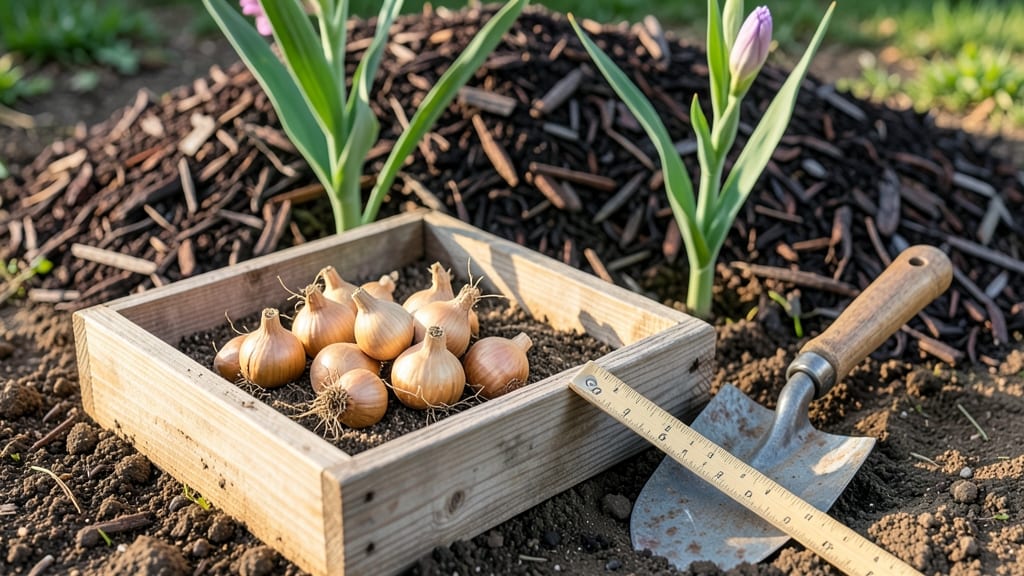
Planting gladiolus bulbs at the wrong time in Georgia can mean the difference between stunning summer blooms and a sad, wilted disappointment. These showy 🌸 gladiolus thrive when planted just right—too early, and frost zaps their energy; too late, and you miss the prime bloom window.
For Georgia gardeners in zones 7b-8b, the ideal window stretches from March to May for spring blooms and again from September to October for fall displays. But timing isn’t one-size-fits-all—northern Georgia’s cooler microclimates need a slightly later start than the warmer southern regions.
I’ll break down the exact frost-free timeline for your heat zone, plus pro tips to adjust for Georgia’s unpredictable weather. Whether you’re a first-time planter or a seasoned gardener, these insights will help you maximize bloom time and keep your gladiolus thriving.
Ready to transform your garden into a vibrant summer spectacle? Let’s get those bulbs in the ground at the perfect moment—no guesswork required.
Gladiolus planting timeline by Georgia heat Zone (7a-8b)
Georgia’s gladiolus bulbs thrive in USDA zones 7a-8b, but timing is everything for vibrant summer blooms. In northern Georgia (7a), cooler springs delay planting, while coastal areas (8b) enjoy earlier starts. Missing the window means stunted growth or missed flowers entirely.
Gladiolus are tender bulbs that act as annuals in Georgia—they won’t survive winter frost. Your planting window hinges on soil temperature (ideal: 60°F+) and last frost dates. Let’s break it down by zone to ensure peak bloom time from July through fall.
🌱
| Georgia Heat Zone | Last Frost Date | Soil Temp Threshold | Spring Planting Window | Fall Planting Window | Bloom Time |
|---|---|---|---|---|---|
| Zone 7a (Northern GA) | March 20–April 5 | 60°F+ (after April 15) | April 15–May 15 | September 15–October 10 | July–September |
| Zone 7b (Central GA) | March 10–March 25 | 60°F+ (after April 1) | April 1–May 10 | September 1–October 5 | June–September |
| Zone 8a (South GA) | February 28–March 15 | 60°F+ (after March 15) | March 15–April 30 | August 20–September 30 | May–October |
| Zone 8b (Coastal GA) | February 15–March 1 | 60°F+ (after March 1) | March 1–April 15 | August 1–September 20 | April–November |
Pro Tip: Use a soil thermometer to confirm 60°F+ before planting.
For Zone 7a gardeners, wait until mid-April when soil warms—planting too early risks rot from cold soil. In Zone 8b, you can start as early as March 1, but avoid summer heat stress by planting fall glads before August 20.
Gladiolus bulbs need 6+ hours of sun daily, so choose a south-facing bed. Amend soil with compost for drainage—waterlogged soil causes bulb rot. Plant 4-6 inches deep and 4-6 inches apart to prevent crowding.
🌿
In Zone 7a, aim for late April planting to bloom by mid-July. Stagger bulbs every 2 weeks for extended blooms through September. For Zone 8b, early March plantings yield April blooms, while fall plantings flower in October-November.
After planting, water deeply once weekly to encourage root establishment. Once foliage emerges, increase to every 3-5 days. Fertilize with 10-10-10 at planting and again when shoots reach 6 inches.
💧
Gladiolus are not winter-hardy in Georgia, so dig up bulbs after first frost (typically mid-November). Cure them in a dry, shady spot for 2 weeks, then store in paper bags until next year’s planting. This annual cycle ensures healthier blooms each season.
For coastal gardeners (Zone 8b), extend the season by planting heat-tolerant varieties like ‘Green Star’ or ‘Picasso’. These thrive in humidity and 90°F+ temps, delivering bold colors even in summer’s peak.
✂️
How to adjust planting time for early or late Georgia seasons
Georgia’s unpredictable weather can throw off even the most experienced gardener’s planting schedule. A late spring frost or an early autumn chill can leave your gladiolus bulbs vulnerable, but with the right adjustments, you can still enjoy those stunning summer blooms.
The key is flexibility—using simple techniques to extend your planting window while protecting tender growth.
When temperatures dip unexpectedly, don’t panic. Gladiolus bulbs are hardy once established, but young shoots need protection. The strategies below help you adjust planting times without sacrificing bloom quality, whether you’re dealing with a cold snap in April or an early frost creeping in by October.
- 1 Soil Warming Tricks: Use black plastic mulch or row covers to raise soil temps by 5-10°F. Lay them down 1-2 weeks before planting to jumpstart growth in chilly springs. Remove covers once shoots emerge to prevent overheating.
- 2 Shade Cloth Shield: Deploy 30-50% shade cloth over young plants during heatwaves (above 90°F) or after late frosts. This protects delicate foliage while allowing light penetration. Secure edges with bricks or stakes to prevent wind damage.
- 3 Staggered Planting: Divide your bulbs into 3 batches and plant them 2-3 weeks apart. This spreads risk—if one batch fails due to frost, others may thrive. Ideal for late spring or early fall adjustments.
- 4 Cold Frame Start: For early autumn plantings, use a cold frame or mini greenhouse to extend the season. Plant bulbs in containers inside the frame in late September, then transplant outdoors after the first frost. This buys you 4-6 extra weeks of growth.
- 5 Frost-Clutching Mulch: Apply a 4-inch layer of straw mulch around plants after late frosts. This insulates roots and can raise soil temps by 2-3°F. For extra protection, drape frost blankets over plants during overnight dips below 32°F.
For late-season adjustments, focus on protecting young shoots rather than forcing early growth. If you’re planting in September or October, prioritize well-draining soil and elevated beds to prevent waterlogged roots from frost damage.
In North Georgia (Zone 7a), aim to plant by mid-September to allow bulbs to establish before winter.
Monitor your local frost forecast and adjust timelines accordingly. The National Weather Service or Georgia Automated Environmental Monitoring Network (AEMN) provides real-time alerts. When in doubt, err on the side of later planting—gladiolus bulbs store energy and can rebound better from delayed starts than from frost damage.
With these strategies, you can turn Georgia’s unpredictable climate into an advantage. Even if Mother Nature throws a curveball, your gladiolus will still deliver those showstopping summer blooms—just a few weeks later than planned. 🌸