
Plants
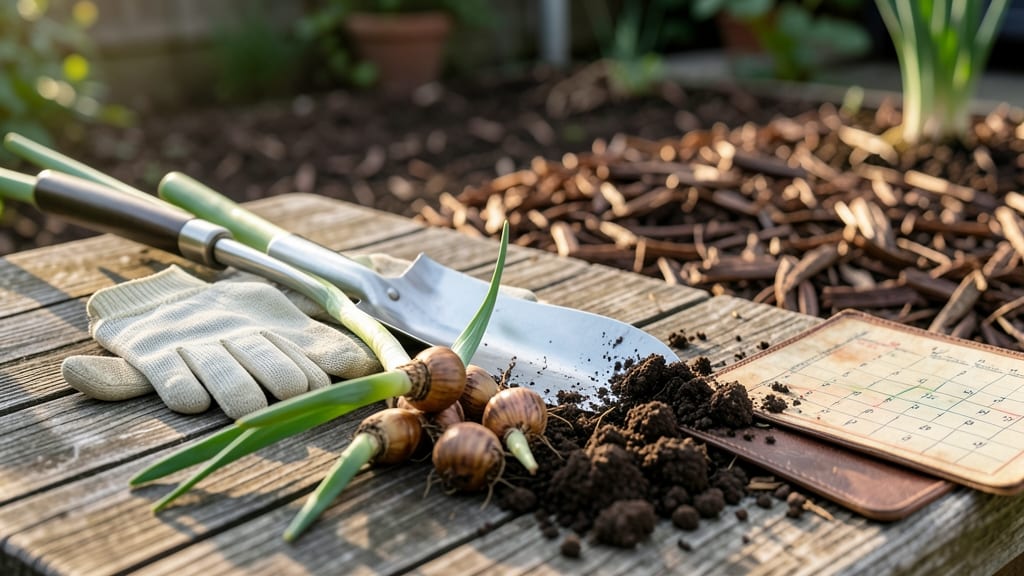
Timing when to plant gladiolus bulbs in Tennessee just right can mean the difference between a showstopping summer garden and a sad, frost-nipped disappointment. With USDA zones 6a-7b throwing curveballs—like early mountain frosts in East Tennessee or late-spring heat in the West—getting the schedule wrong is easier than you think.
Most gardeners in 6a-7b should wait until mid-April to early June, but here’s the catch: Knoxville’s highlands might still see frost in late May, while Memphis could be baking by then. The key is knowing your county’s last frost date—and adjusting for soil warmth, not just air temperature.
I’ll break down exactly when to plant in your neck of Tennessee, plus how to prep soil for those 4-6 inch-deep bulbs so they thrive. Whether you’re a first-timer or a veteran gardener, these tips will help you avoid the 3 most common mistakes that kill glads before they bloom.
Ready to turn your yard into a July-to-September parade of sword-like blooms? Let’s get those bulbs in the ground at the perfect moment—no guesswork, just guaranteed results.
Tennessee’s gladiolus planting zones: last frost dates by county
Tennessee’s gladiolus planting success depends entirely on understanding your local last frost dates. The state spans USDA Zones 6b through 8a, creating dramatic differences between East Tennessee’s high elevations and West Tennessee’s lowland heat.
In Knoxville (Zone 7a), late frosts can linger until mid-April, while Memphis (Zone 7b) typically sees its last frost by March 15th. These differences mean your planting window can shift by 4-6 weeks depending on where you garden.
For gladiolus bulbs, the ideal planting window is 4-6 weeks after your average last frost date. This ensures your tender corms aren’t shocked by returning cold snaps while giving plants enough time to establish roots before summer’s heat arrives.
In most of Tennessee, this translates to mid-April through early June—but your exact timing should align with your county’s frost history.
Below is a county-specific breakdown of Tennessee’s last frost averages and corresponding gladiolus planting windows. Use this as your guide to determine when to plant for maximum bloom success.
Remember: East Tennessee gardens often need to wait until late April or May, while West Tennessee gardeners can plant as early as mid-March in protected microclimates.
🌱
To find your exact county’s frost dates, consult the Tennessee State Climate Office’s interactive frost map (link provided below). This tool lets you pinpoint your last frost averages with county-level precision—critical for gladiolus success.
For example, Chattanooga’s frost dates can vary by 10 days between its downtown area and higher-elevation neighborhoods like Lookout Mountain.
If you’re unsure about your local microclimate, consider planting test bulbs in containers 2-3 weeks before your target date.
This lets you monitor soil temperatures and adjust your schedule. Gladiolus bulbs thrive in soil that’s at least 60°F (15°C), so use a soil thermometer to confirm readiness—especially in East Tennessee’s cooler springs.
For West Tennessee gardeners, early planting (late March) is often safe, but be prepared to use frost blankets if late frosts threaten. In East Tennessee
How to adjust planting dates for Tennessee’s microclimates
Tennessee’s elevation shifts create dramatic planting differences—Knoxville’s cooler highlands (USDA Zone 6b) often delay gladiolus planting by 2-3 weeks compared to Memphis’ warmer lowlands (Zone 7b). Even neighboring counties can have 50°F temperature swings in spring, so flexibility is key.
I’ve gardened in both regions and learned that soil temperature (not just air temperature) determines success.
For East Tennessee (e.g., Knoxville, Chattanooga), wait until mid-May to plant gladiolus bulbs—frost lingers until April 15 on average. In West Tennessee (e.g., Memphis, Nashville), you can start as early as late March when soil warms to 60°F.
Container gardening lets you stagger plantings across these zones, extending your bloom season by 3-4 weeks.
- 1. Soil Temp Rule: Plant when soil reaches 60°F (use a soil thermometer). In Knoxville, this is late April; in Memphis, it’s early April.
- 2. Elevation Adjustments: Add 1 week for every 500ft elevation gain. Bristol (1,100ft) plants 2 weeks later than Jackson (300ft).
- 3. Container Hack: Use black pots to warm soil 5-7°F faster in cooler zones. Plant 2 weeks earlier in containers than in-ground.
- 4. Staggered Planting: In unpredictable zones (e.g., Nashville), plant 1/3 bulbs every 2 weeks from April 15-June 1 for continuous blooms.
- 5. Frost Watch: Check the National Weather Service’s frost maps for your county. Chattanooga’s late frosts often hit May 5.
Microclimates aren’t just about elevation—urban heat islands in cities like Nashville can let you plant 10 days earlier than rural areas. Test your spot by placing a thermometer in a black bucket filled with soil for 3 days.
If it hits 60°F, your gladiolus bulbs are ready. I once planted too early in a sunny Nashville backyard and lost half my bulbs to a late April frost—a lesson I won’t repeat!
For extended bloom seasons, try successive planting: Start with early-season varieties (e.g., ‘White Prosperity’) in late April, then add mid-season (e.g., ‘Green Star’) in mid-May, and finish with late bloomers (e.g., ‘Black Pearl’) in early June.
This creates a 3-month display from June to September, even in cooler zones.
If you’re in a transition zone (like Cookeville or Crossville), consider row covers for early plantings. Lay frost blankets over bulbs until May 1 to protect them from unpredictable late frosts.
I’ve used this trick to shave 2 weeks off my planting window without risking bulb damage. Just remember to remove covers by midday to avoid overheating.
Finally, humidity matters: West Tennessee’s higher humidity can delay soil warming by 3-5 days. Monitor leaf fungal risk—if mornings are damp, plant 1 week later or choose disease-resistant varieties like ‘Picasso’. With these adjustments, you’ll maximize blooms regardless of Tennessee’s climate quirks. 🌸