
Plants
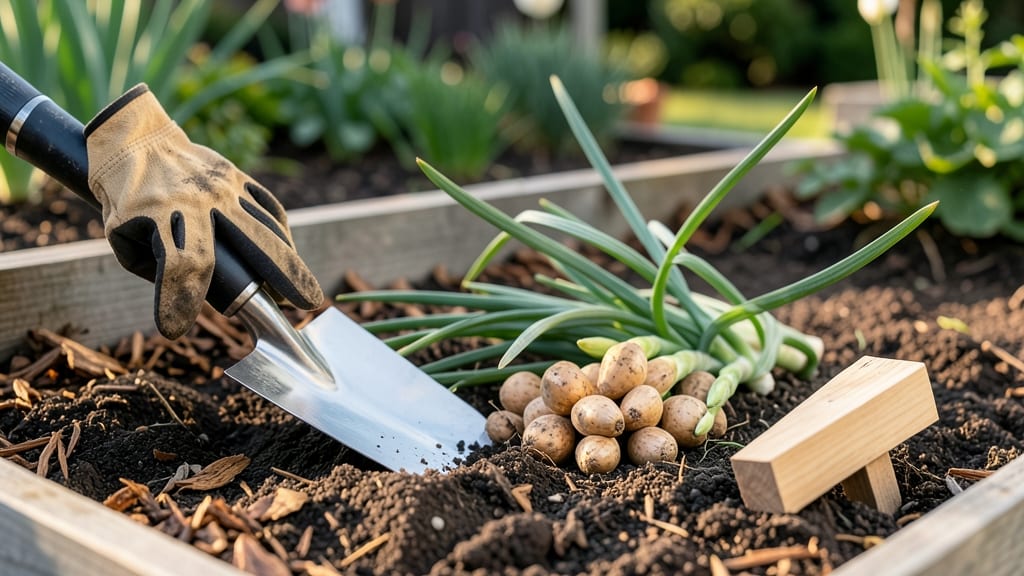
Planting gladiolus bulbs in Wisconsin at the wrong time means frost will turn your 🌸 dreams into a sad, mushy mess—no one wants that!
The perfect window is after your last frost date, but with Wisconsin’s varying climate zones (4a-6b), timing can shift from mid-April in southern counties to late May in the north.
You might think "just dig and go," but Wisconsin’s unpredictable spring weather demands a smarter approach. Whether you’re in Milwaukee or Madison, soil temperature and frost dates should guide your schedule—not just the calendar. Skipping this step risks stunted growth or flowers that never fully bloom.
Here’s the game-changer: I’ll break down exactly when to plant by county heat zones, plus pro tips to extend your blooming season. No more guessing—just vibrant, long-stemmed gladiolus that thrive from July through September.
Ready to turn your garden into a showstopper? Let’s get those bulbs in the ground at the ideal moment for your Wisconsin zone.
Wisconsin gladiolus planting deadlines by heat Zone (USDA 3-5)
Wisconsin’s diverse climate means gladiolus planting deadlines vary dramatically from Zone 3 in the north to Zone 5 in the south.
In colder regions like Dodge County (Zone 4a), you’ll need to plant by late April to avoid frost damage, while Walworth County (Zone 5a) gardeners have until mid-May.
Missing these windows risks stunted growth or no blooms at all—gladiolus bulbs are frost-sensitive and need consistent warmth to establish roots.
Your county’s last frost date is your best guide, but Wisconsin’s unpredictable spring means checking weekly forecasts in April. For example, Milwaukee (Zone 5b) averages a last frost on May 1, but late freezes can push planting back to May 15.
In Zone 4 areas like Waukesha, aim for April 20–May 5—any earlier, and your bulbs may rot in cold soil.
Here’s how to adjust for early/late frosts: Use black plastic mulch to warm soil 2–3 weeks earlier, or opt for early-blooming varieties like ‘Picasso’ or ‘Green Star’ in colder zones. Staggered planting—every 2 weeks—extends your bloom time from July to September, even in Zone 3.
🌱
| USDA Zone | County Examples | Planting Window | Last Frost Date | Adjustments |
|---|---|---|---|---|
| Zone 3 (North) | Bayfield, Sawyer, Ashland | April 20–May 5 | May 15 (avg) | Use mulch; plant in raised beds |
| Zone 4 (Central) | Dodge, Waukesha, Fond du Lac | April 25–May 10 | May 1 (avg) | Stagger plantings; choose early varieties |
| Zone 5 (South) | Walworth, Racine, Kenosha | May 1–May 15 | April 25 (avg) | Late varieties OK; extend season with mulch |
| All Zones | — | June (late varieties) | N/A | For fall blooms; water deeply |
For Zone 3 gardeners, like those in Ashland County, focus on cold-hardy varieties such as ‘White Friendship’ or ‘Attraction’. Plant bulbs 4–6 inches deep in well-draining soil mixed with compost to prevent rot.
In Zone 5, where summers are longer, you can push the envelope with late-season varieties like ‘Black Star’ or ‘Green Star’, planting as late as June 1 for fall blooms.
Pro tip: Test your soil before planting—Wisconsin’s clay-heavy soil benefits from organic matter like peat moss or aged manure. Aim for a pH of 6.0–6.8; gladiolus thrive in slightly acidic to neutral conditions.
If your soil is too dense, consider raised beds, especially in northern counties where cold soil delays root growth.
Don’t overlook staggered planting—this technique ensures continuous blooms from July through September. Plant one-third of your bulbs in early May, another third 2 weeks later, and the final third in early June.
This spreads out your harvest and maximizes your garden’s visual impact. Just be sure to space bulbs 6 inches apart to prevent overcrowding and disease.
If you’re in a transition zone (like Zone 4b in Waukesha County), err on the side of planting later rather than earlier. Early freezes in April can still occur, and gladiolus bulbs won’t tolerate below 40°F soil temperatures.
Use a soil thermometer to confirm the ground has warmed to at least 55°F before planting.
For container gardening, adjust your timeline
How to extend your gladiolus season in Wisconsin’s short growing period
Wisconsin’s short growing season can make it tricky to enjoy gladiolus blooms for months, but with the right strategies, you can stretch your flowers from July through September. The key lies in soil warmth, staggered planting, and protecting roots from unpredictable late frosts.
Even in USDA Zones 3-5, you can coax vibrant gladiolus with just a few adjustments.
One of the biggest challenges in Wisconsin is the clay-heavy soil that drains poorly and stays cold long after spring frost dates. Without proper prep, your gladiolus corms will struggle to sprout, delaying blooms or causing rot.
Adding organic matter like compost or peat moss improves drainage while retaining moisture—a must for these sun-loving flowers.
- 1 Test and amend soil: Aim for pH 6.0-6.8 and mix in compost to break up clay. Work amendments 6-8 weeks before planting to let them integrate.
- 2 Use black plastic mulch: Lay it down 2 weeks before planting to warm soil by 10-15°F. Remove it after sprouts appear to avoid overheating.
- 3 Stagger plantings every 2 weeks: Start with early-blooming varieties in late May, then add mid-season and late-season types. This ensures blooms from July to September.
- 4 Protect with row covers: Use frost blankets if late frosts threaten after sprouts emerge. Secure edges with bricks or soil to prevent wind damage.
- 5 Choose cold-hardy varieties: Opt for ‘Green Star’ or ‘Picasso’, which tolerate cooler soils better than tropical types. These bloom 2-3 weeks earlier in Zone 4.
Another game-changer is staggered planting. Instead of planting all your gladiolus corms at once, divide them into three groups and plant each 2 weeks apart. This creates a continuous bloom cycle, ensuring you have fresh cut flowers from mid-July to early October.
For example, plant your first batch in late May, the second in early June, and the last in mid-June.
Don’t overlook the power of black plastic mulch—it’s a Wisconsin gardener’s secret weapon. Lay down 1-2 weeks before planting to raise soil temperatures by 10-15°F, which is critical for corm sprouting in cool climates.
Once your gladiolus shoots emerge (usually 3-4 weeks after planting), remove the mulch to prevent overheating. Pair this with a thick layer of straw mulch around the base to retain moisture and suppress weeds.
For gardeners in USDA Zone 4 or colder, consider raising beds to improve drainage and warm soil faster. Fill them with a mix of topsoil, compost, and perlite to create an ideal environment for gladiolus.
Raised beds also help avoid soil compaction from Wisconsin’s heavy clay, giving roots the space they need to thrive. Add a slow-release fertilizer at planting time to give your gladiolus a nutrient boost as they establish.
Finally, don’t forget to harvest strategically to extend your season. Cut gladiolus stems when the lower buds begin to open but the upper buds are still tightly closed. This encourages the plant to produce more side shoots, giving you additional blooms later in the season.
Remove spent blooms regularly to redirect energy into new growth rather than seed production.