
Plants
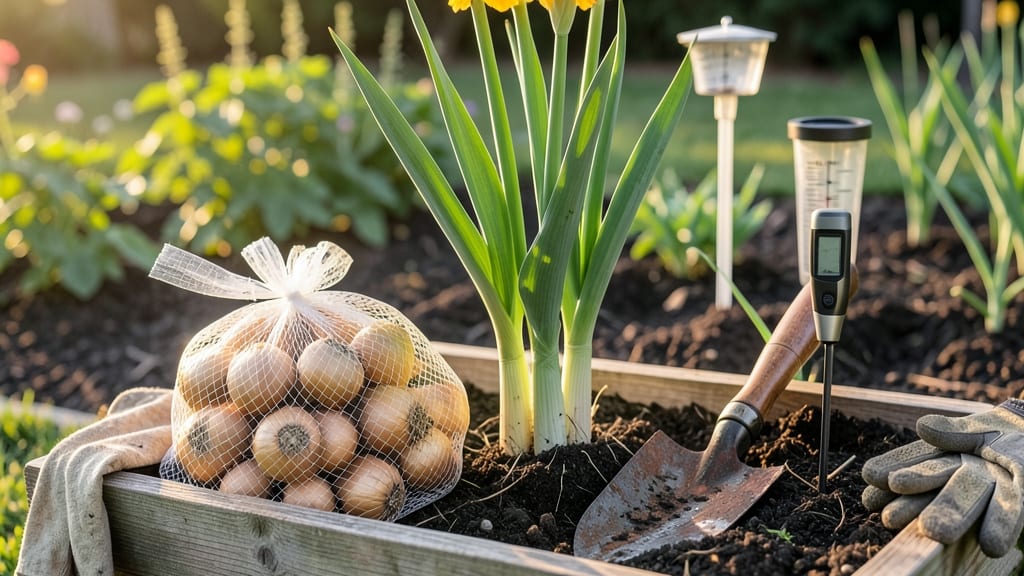
Timing your gladiolus planting in Colorado isn't just about the calendar—it's about surviving the 5-7 USDA zones that can turn a perfect spring day into a frost trap overnight.
Those stunning 🌸 blooms you're dreaming of won't appear if you plant too early, but waiting too long risks missing the 150-day growing window before summer heat arrives.
Most Colorado gardeners know the general rule: after the last frost, which typically lands between mid-April and early May. But here's the catch—your neighbor's perfect timing might not work for you if you're gardening in the Front Range versus the Western Slope.
The elevation difference alone can create a 3-week gap in ideal planting windows.
What you'll discover in this guide is how to pinpoint the exact window for your specific microclimate, whether you're in Denver's urban heat islands or the cooler mountain valleys.
We'll cover soil temperature tricks, container planting hacks, and which gladiolus varieties actually thrive at 7,000 feet—so you can finally get those 🌸 blooms you've been waiting for.
The secret to Colorado gladiolus success? Planting at the right moment—neither too soon nor too late. Let's break down exactly when to put those corms in the ground so you're not left with frost-nipped dreams or wilting flowers before they even bloom.
Colorado gladiolus planting deadlines by elevation zone (2024 guide)
Colorado's elevation variations mean your gladiolus planting window shifts dramatically from Denver's 5,280 feet to Fort Collins' 5,000 feet or Colorado Springs' 6,035 feet.
At higher elevations like 7,000 feet, your last frost can arrive 2-3 weeks later than at 3,000 feet, creating a 4-6 week planting window difference across the state. This guide breaks down exact frost-free dates and soil temperature thresholds for each zone.
For Front Range gardeners (Denver, Boulder), aim to plant gladiolus corms 4-6 weeks before your average last frost—typically mid-April to early May. However, soil temperature matters more than calendar dates: wait until the ground reaches 55°F (13°C) at 4 inches deep.
In Colorado Springs (USDA Zone 5b), this often means waiting until late April, while Fort Collins' (Zone 5a) cooler soils may delay planting until early May.
Here’s your elevation-based planting timeline with frost-free averages and soil temperature triggers:
Pro tip: Use a soil thermometer to verify readiness—gladiolus corms need consistent warmth to sprout. In Denver’s Zone 5b, I’ve seen corms planted in late April with black plastic mulch bloom 2 weeks earlier than unmulched beds.
For high-altitude gardens (7,000+ ft), opt for cold-hardy varieties like 'Green Star' or 'Picasso', which tolerate 45°F (7°C) soils better than standard types.
If you’re in Colorado Springs, your last frost date typically falls around May 1, but microclimates near Pikes Peak can delay frost until May 10. Plant 4-6 weeks before that date—so early April is too soon unless you use row covers.
I recommend staggered planting: bury half your corms in early May and the other half in mid-May to extend your bloom season from July to September.
For container gardening in urban Denver, wait until after May 15 to avoid frost damage. Containers warm up 3-5°F faster than ground soil, but they also cool down quickly at night. Use heat-retaining fabric pots and place them on elevated stands to protect roots.
In Fort Collins, where nights can still dip to 30°F (-1°C) in early June, I’ve had success with straw mulch (6 inches thick) to insulate corms.
Remember: gladiolus thrive in full sun (6+ hours daily), but Colorado’s intense summer
How to extend gladiolus season in Colorado’s short growing period
Colorado’s short growing season and unpredictable spring frosts make timing critical for gladiolus success. The key to extending your blooms lies in soil warming and strategic planting—two techniques that can add 3-4 weeks to your flowering window.
Without these adjustments, you might miss the 90-day growth window needed for full blooms before summer heat arrives.
Most gardeners focus only on last frost dates, but high-altitude Colorado gardens need more nuanced approaches. For example, Denver’s 5,280 ft elevation creates a 2-week difference in planting windows compared to Colorado Springs at 6,000 ft.
The solution? Combine soil warming methods with cold-hardy varieties and staggered plantings to maximize your season.
Here’s how to choose the right approach for your garden’s microclimate:
Soil Warming Methods for Colorado Gladiolus
Black Plastic Mulch
- Pros: Warms soil 10-15°F faster
- Pros: Suppresses weeds
- Cons: Requires removal after use
- Cons: Can overheat soil in July
Row Covers
- Pros: Protects from late frosts
- Pros: Reusable for years
- Cons: Slower soil warming
- Cons: May trap too much moisture
Staggered Planting
- Pros: Extends blooms by 4-6 weeks
- Pros: Reduces pest pressure
- Cons: Requires more corms
- Cons: Needs organized spacing
For high-altitude gardens (6,000+ ft), prioritize cold-hardy varieties like 'Green Star' or 'Picasso'. These thrive in cooler soils and tolerate 32°F temperatures better than 'Star Gazer', which struggles below 40°F. Plant 'Green Star' 2-3 weeks earlier than standard varieties to take advantage of its resilience.
Stagger your plantings in 2-week intervals starting 4 weeks before your last frost date. For example, if your frost-free date is May 15, plant the first batch on April 15, the second on April 30, and the final batch on May 15.
This creates a continuous bloom from July through August, ensuring you enjoy gladiolus flowers even in Colorado’s short season.
Don’t forget to monitor soil temperatures—gladiolus corms need 60°F+ to sprout. Use a soil thermometer to confirm readiness, especially in mountain valleys where nights remain chilly. Pair this with black plastic mulch for an extra 5-7°F boost, and your early plantings will thrive.
With these techniques, you can transform Colorado’s 150-day growing window into a 3-month gladiolus extravaganza, proving that even in the Rockies, summer blooms are within reach. The secret? Plan ahead, choose wisely, and extend your season with smart gardening strategies. 🌸