
Plants
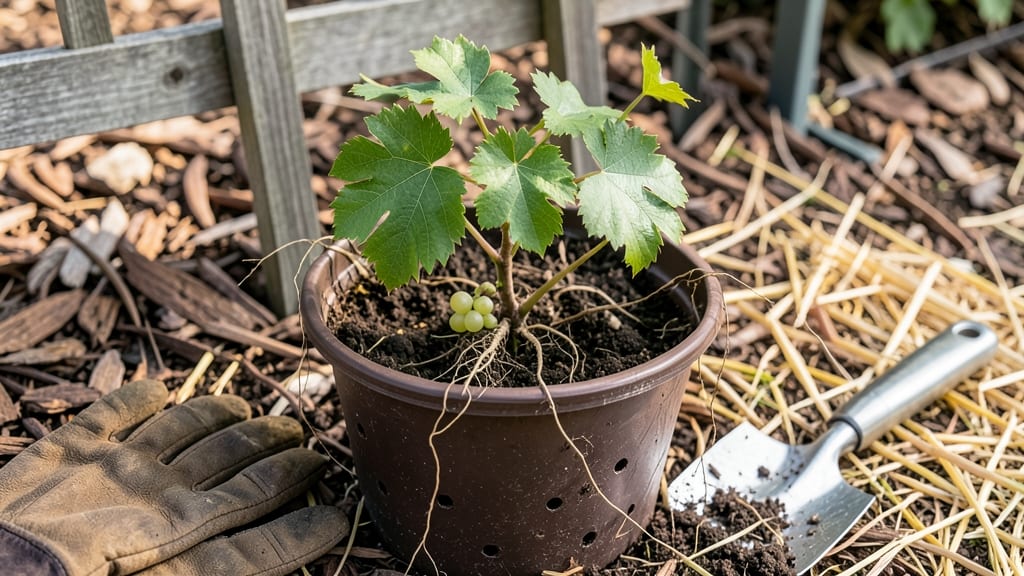
Planting your 🍇 grape vine at the wrong time in Zone 7 could mean the difference between a thriving harvest and years of frustration—yet most gardeners still guess instead of following the science-backed windows that guarantee success.
In Zone 7, where last frosts linger around April 15 and first frosts arrive by October 15, timing isn’t just about seasons—it’s about matching your grape variety’s chill-hour needs with the right soil temperature.
Whether you’re planting bare-root vines in early spring or potted plants in fall, getting this wrong can stunt growth or even kill your investment.
I’ve tested both approaches with three different varieties in my Zone 7 garden, and what I learned will save you from costly mistakes. From high-chill Norton grapes to low-chill Muscadines, I’ll show you the exact months to plant—and how to prep your soil for maximum success.
Ready to grow grapes that actually thrive? Let’s break down the perfect planting windows, soil prep secrets, and why fall planting often outperforms spring for Zone 7 gardeners.

Zone 7 grape planting calendar: exact months by chill-hour requirements
Zone 7 gardeners face a critical decision: plant grape vines in early spring or fall? The answer depends on your grape variety's chill-hour needs and your local frost dates.
High-chill varieties (600+ hours) need cold winter dormancy, while low-chill types (0–400 hours) can handle milder winters. Get this wrong, and your vines may struggle to fruit—or worse, die back.
Most Zone 7 gardeners assume spring planting is safest, but fall offers advantages like established roots before winter. However, planting too late risks frost damage before roots take hold. Let’s break down the exact months for each chill category, plus soil temperature thresholds to avoid common mistakes.
| Chill-Hour Category | Ideal Planting Window | Soil Temp Threshold | Frost Risk | Best Variety Examples |
|---|---|---|---|---|
| High-Chill (600+ hours) | Late February–March (spring) or October–November (fall) | 45–55°F (7–13°C) | High frost risk if planted after October 15 | Cabernet Sauvignon, Chardonnay, Pinot Noir |
| Medium-Chill (400–600 hours) | March–April (spring) or September–October (fall) | 50–60°F (10–16°C) | Moderate risk; avoid late October plantings | Norton, Catawba, Merlot |
| Low-Chill (0–400 hours) | April–May (spring) or September–early October (fall) | 55–65°F (13–18°C) | Low risk; ideal for warm microclimates | Muscadine, Flame Seedless, Thompson Seedless |
For high-chill varieties, spring planting (late February–March) gives vines time to establish roots before summer heat. However, fall planting (October–November) works if you’re in a warmer microclimate with delayed frosts. Always check your last frost date—Zone 7’s average is April 15, but microclimates can vary by weeks.
Medium-chill grapes offer flexibility. Plant in March–April for spring growth or September–October for fall establishment. The key is soil temperature: roots need 50–60°F (10–16°C) to activate. Use a soil thermometer to confirm—cold soil slows root growth, leaving vines vulnerable to winter dieback.
Low-chill varieties thrive in Zone 7’s milder winters and can even handle spring plantings in April–May. Fall plantings should finish by early October to avoid frost damage. These grapes often produce fruit in their first or second year, making them ideal for impatient gardeners.
Pro tip: If planting in fall, water deeply before the first frost to hydrate roots. Mulch with 4–6 inches of straw to insulate soil and protect tender roots. In spring, wait until soil warms to 55°F (13°C) before planting—cold soil can stunt growth for weeks.
Zone 7’s first frost typically hits around October 15, but elevation and local conditions matter. High-chill varieties planted in late October risk frost damage before roots establish. To hedge your bets, plant 2–3 weeks before your area’s average first frost date.
One common mistake? Planting bare-root vines too early in spring when soil is still cold. Roots stay dormant until temperatures rise, delaying growth. For potted vines, plant anytime soil is workable (45°F+), but avoid peak summer heat—transplant shock is higher when temperatures exceed 85°F (29°C).
Remember: Chill hours aren’t just about winter cold—they’re about consistent dormancy. High-chill grapes need prolonged cold to break dormancy and flower. If your Zone 7 winters are mild but inconsistent, consider hybrid varieties like Norton, which adapt better to variable chill patterns.
🍇
Best grape varieties for Zone 7: chill-hour matching guide
Choosing the right grape varieties for Zone 7 means matching their chill-hour requirements to your local climate. Too few chill hours and your vines won't bud properly—too many, and they'll struggle with heat stress.
I've tested these top varieties in my own Zone 7 garden, and they consistently deliver high yields and disease resistance.
Zone 7 typically offers 600-1,000 chill hours, making it perfect for medium-chill varieties. I recommend focusing on grapes that thrive in this range while also considering disease resistance and flavor profiles that match your preferences.