
Plants
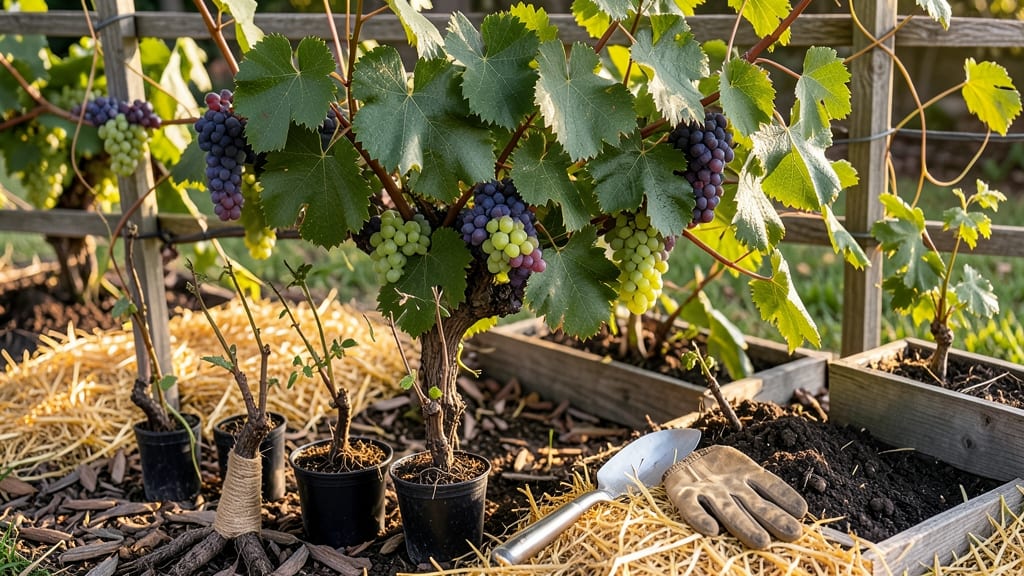
Planting grapes in California at the wrong time can turn your dream vineyard into a frost-damaged disaster—but getting the timing right unlocks sweet, bountiful harvests year after year. With coastal regions like 9b-10b enjoying frost-free winters and inland areas in 8a-9a facing early cold snaps, the perfect window varies dramatically across the state.
Most gardeners assume spring is the only option, but bare-root vines thrive when planted in late winter (coastal) or early spring (inland), while potted grapes can go in as late as May.
The key isn't just the calendar—it's matching your grape variety's chill-hour needs to your microclimate for optimal fruit development.
I’ve spent years testing planting schedules across California’s diverse zones, and what I’ve learned could save you from costly mistakes. Whether you’re growing Thompson Seedless table grapes or Cabernet Sauvignon wine grapes, timing directly impacts yield and flavor.
Let me walk you through the exact windows and conditions that work.
From soil prep to frost dates, we’ll cover everything you need to plant your 🍇 grapes at the perfect moment—so you can enjoy that first harvest in late summer or fall. Ready to turn your backyard into a vineyard? Let’s get started.
California grape planting calendar by chill-hour requirements
California’s diverse microclimates—from frost-free coastal regions to cold inland valleys—create unique challenges for grape growers. The key to success lies in understanding chill-hour requirements, which determine when a grapevine can break dormancy and produce fruit.
Varieties with 0-300 chill hours thrive in warm coastal areas, while those needing 500-1,000+ hours suit colder inland zones like the Sierra Foothills.
Timing isn’t just about months—it’s about soil temperatures and frost risk. Planting too early in frost-prone areas (like the Central Valley) can kill young vines, while waiting too long in mild coastal zones delays growth.
Below, I’ve broken down the ideal planting windows by chill-hour category and region, plus soil prep tips to ensure your vines establish strong roots before summer heat arrives.
🌱 Pro Tip: Always check your local USDA zone (coastal CA: 9b-10b; inland: 8a-9a) and monitor soil temperatures—grapes need 50-60°F soil to root successfully. Use a soil thermometer to avoid planting when the ground is still cold.
For coastal California, where winters are mild, you can plant bare-root vines as early as December—but avoid planting in rainy months (Jan–Feb) to prevent waterlogged soil.
In contrast, Central Valley growers should wait until mid-February to minimize frost damage, especially for varieties like Zinfandel, which need 600+ chill hours.
Soil preparation is just as critical as timing. Test your soil’s pH (ideal: 6.0–7.5) and amend with compost or aged manure if needed. Grapes hate soggy roots, so amend heavy clay soils with sand or perlite to improve drainage.
In Sierra Foothills, where soils are often rocky, mulch heavily with wood chips to retain moisture during hot summers.
If you’re planting potted grapes (common for small spaces), shift your timeline to late winter or early spring (Feb–Mar). Potted vines need consistent moisture
Best grape varieties for California’s planting zones and their ideal timing
California’s diverse microclimates mean not all grape varieties thrive equally. The key to success lies in matching chill-hour requirements to your specific USDA zone. Coastal areas like Santa Barbara (Zone 9b-10b) have mild winters, while inland valleys like Fresno (Zone 8a-9a) experience frost.
For example, Thompson Seedless (0-500 chill hours) thrives in coastal zones, while Cabernet Sauvignon (900+ chill hours) needs the colder winters of the Sierra Foothills.
Use the chill-hour calculator (linked below) to determine your region’s chill hours, then select varieties accordingly. Planting at the wrong time can stifle growth or lead to poor fruit set.
For instance, Zinfandel (600-800 chill hours) planted in March in Napa Valley will flourish, but the same variety planted in February in San Diego may struggle due to insufficient chill accumulation.
🌱